Al Borgo Singapore: Home-Style Italian Cooking on Bukit Timah Road
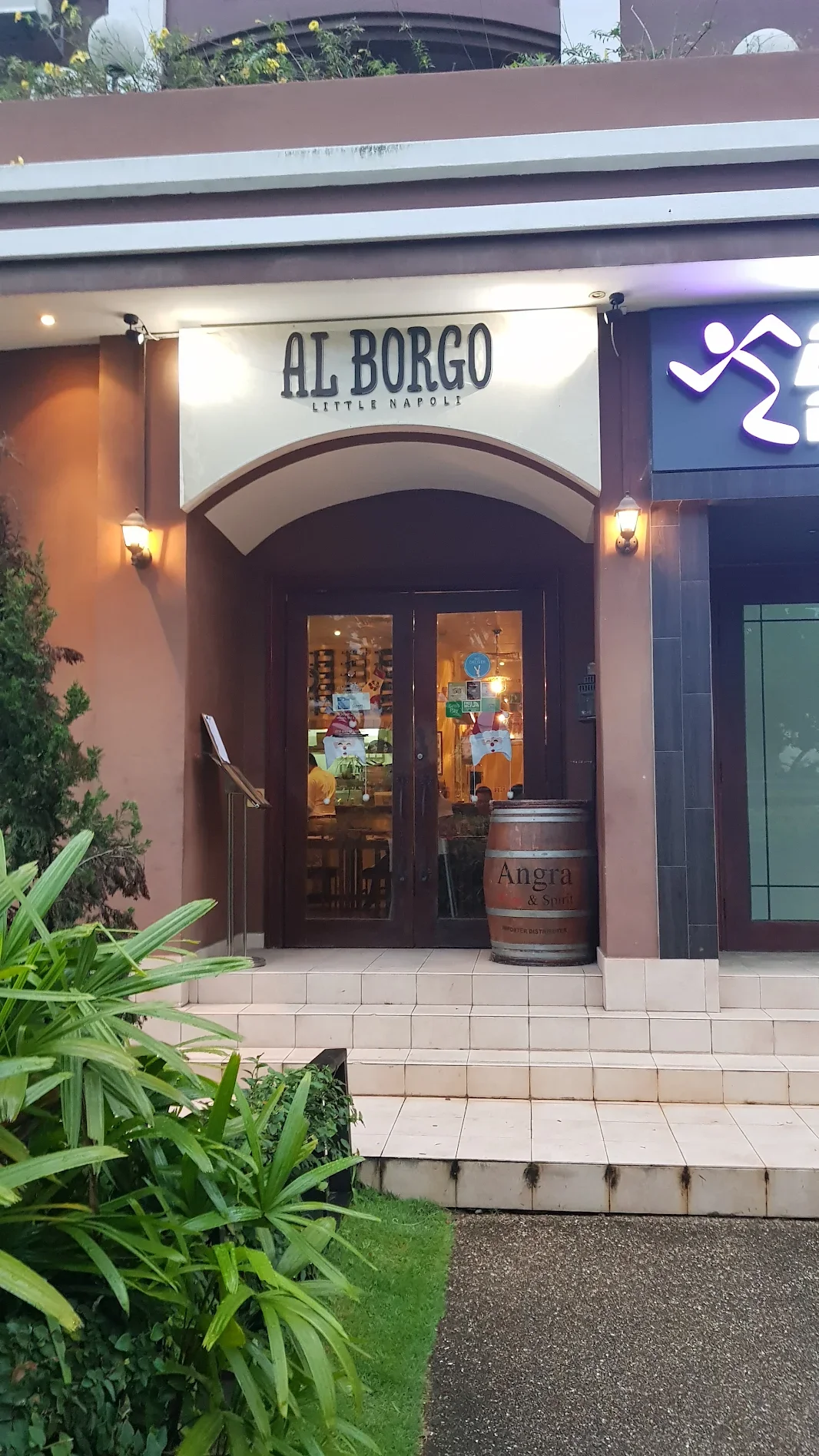
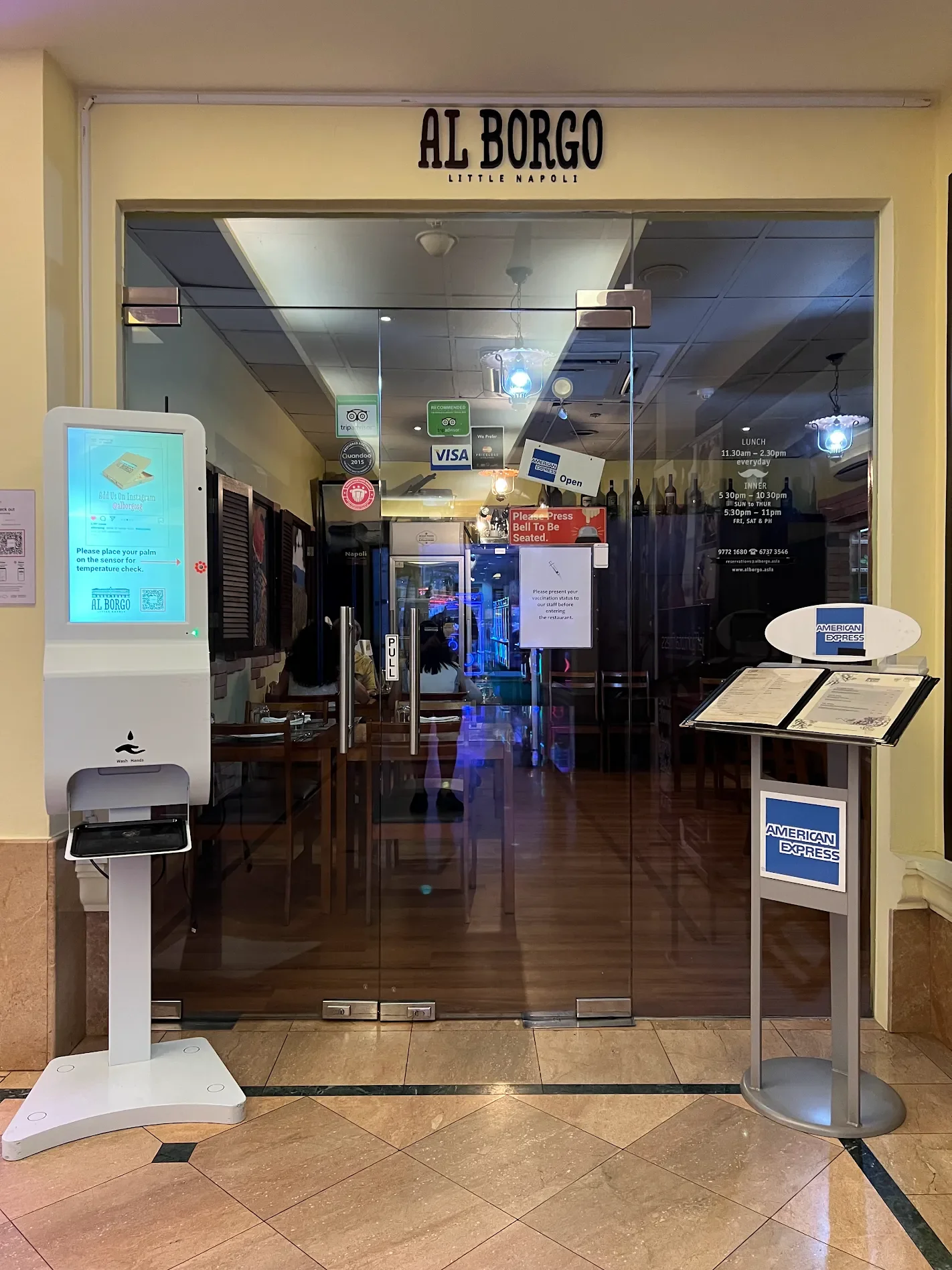
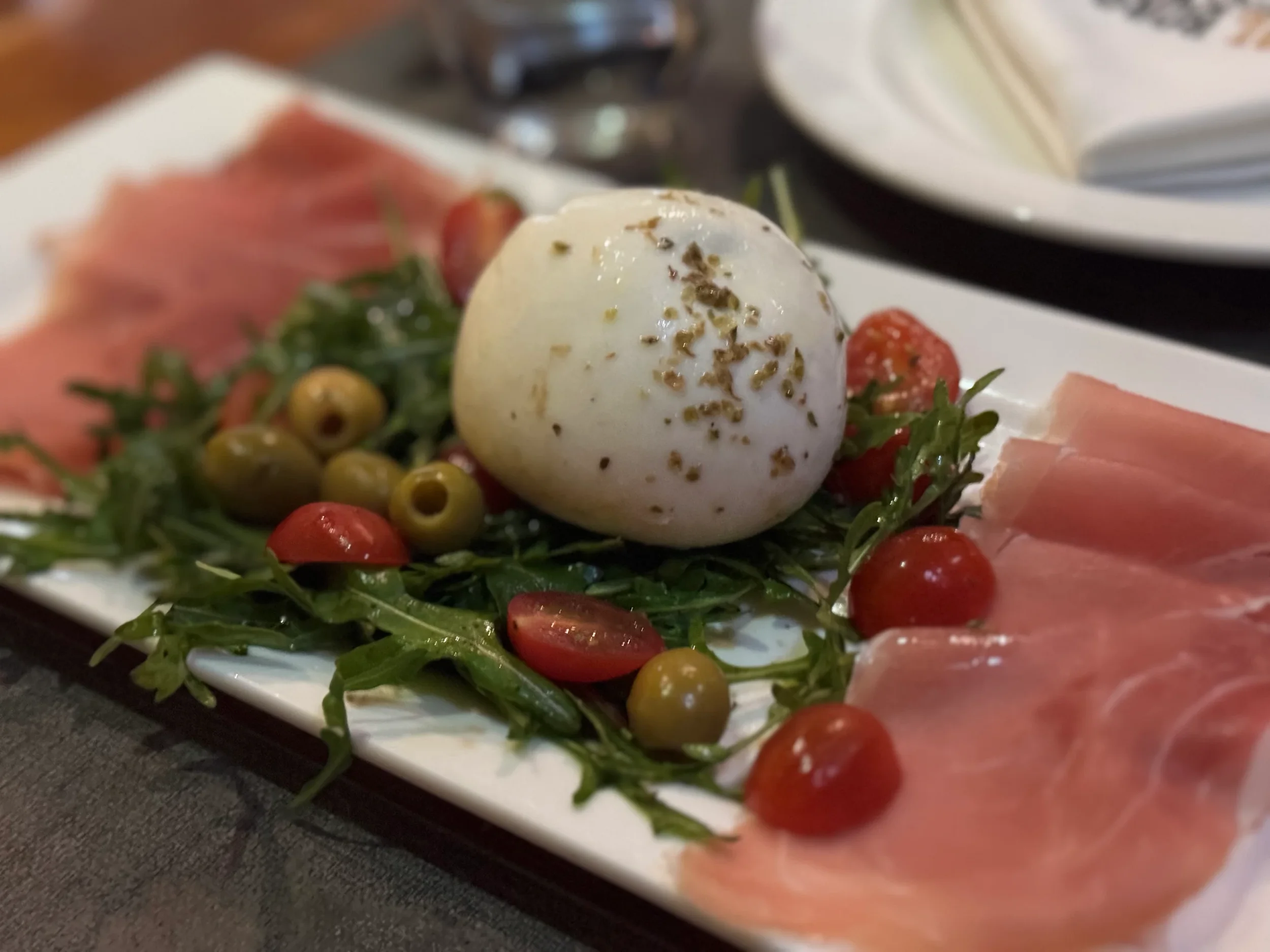
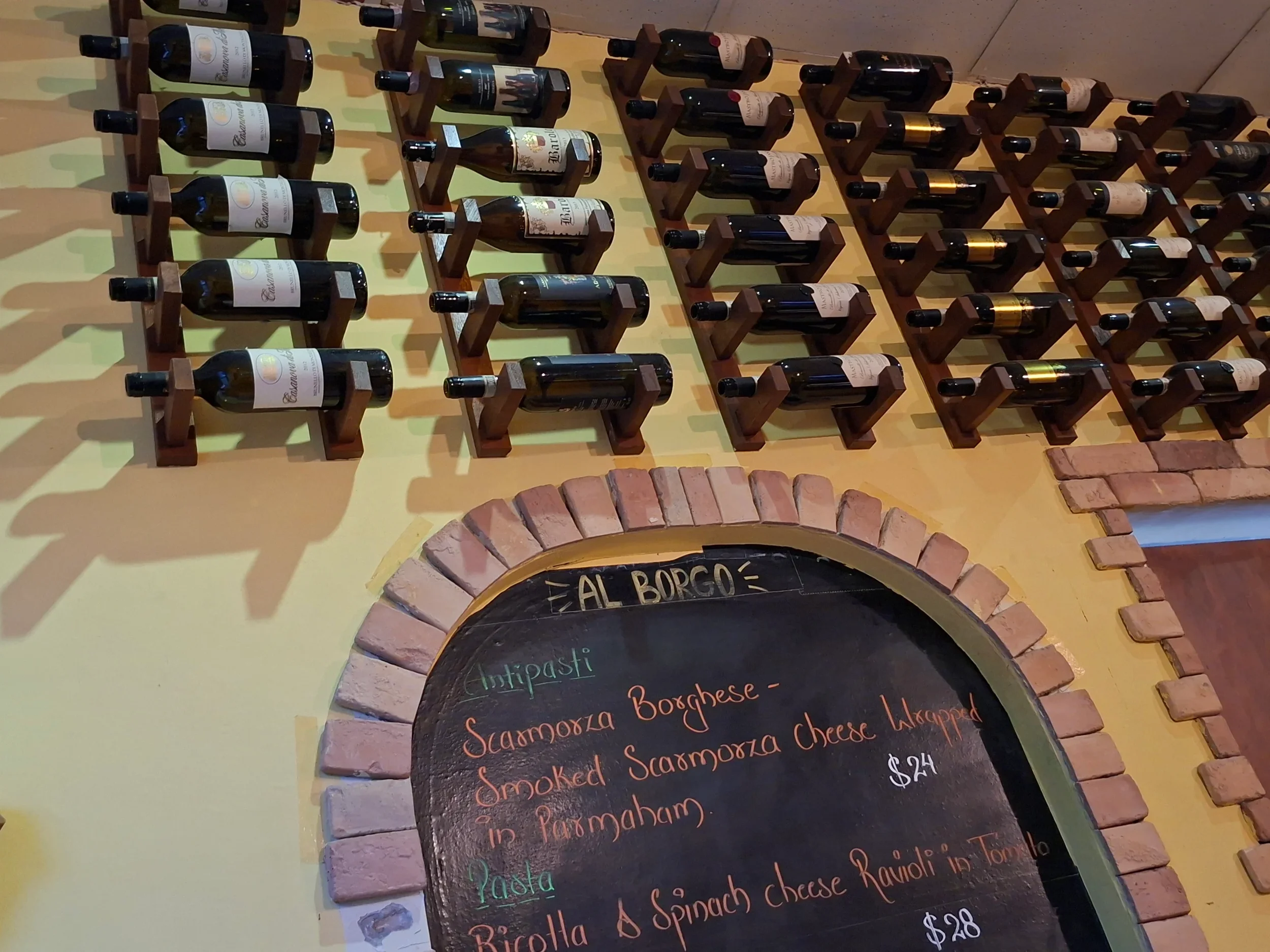
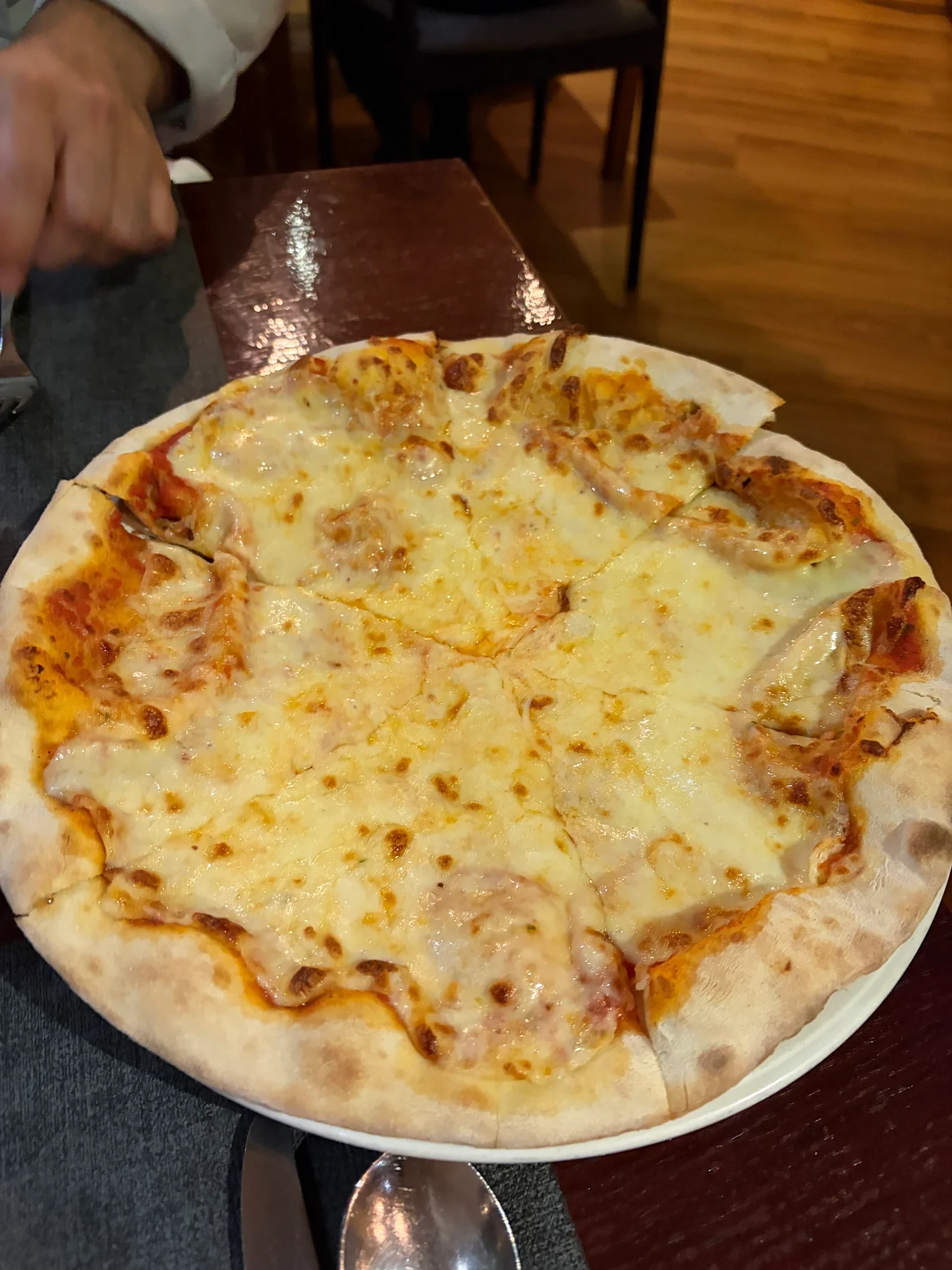
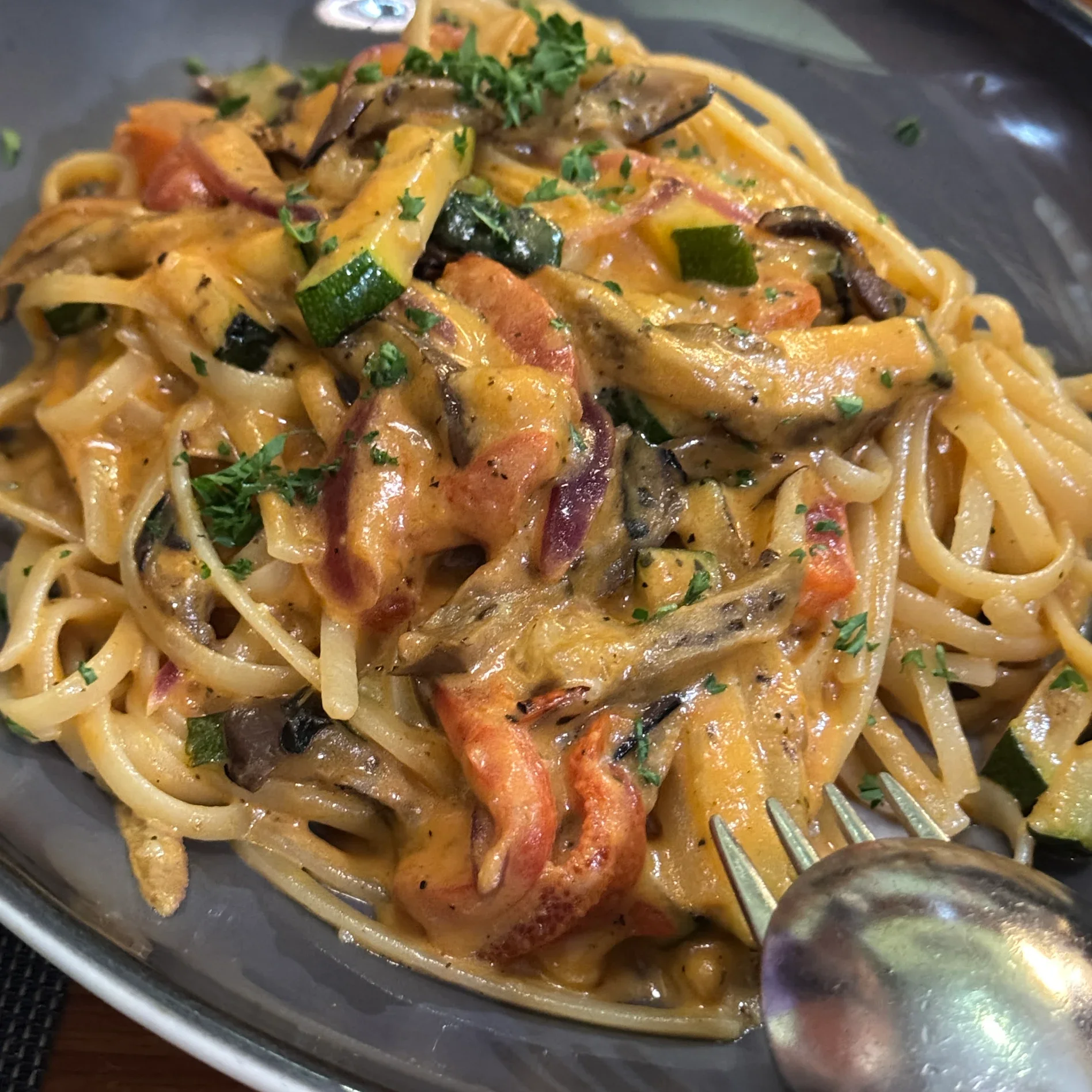
Al Borgo has been serving home-style Italian food on Bukit Timah Road since 2010, building its identity around pasta, pizza, risotto, grilled meats, Italian wine and the atmosphere of a neighbourhood trattoria rather than a formal fine-dining restaurant.
The name tells you what Al Borgo is trying to be.
Borgo means roughly a small town, village or historic neighbourhood in Italian.
Not a palace.
Not a grand hotel.
Not a restaurant designed around spectacle.
A place where people live.
That idea sits at the centre of Al Borgo Italian Restaurant, which opened on Bukit Timah Road in 2010 and describes itself as a traditional Italian family restaurant built around rustic interiors, generous portions and home-style cooking.
The restaurant sits at Alocassia Apartments, close to Stevens MRT, away from the heavier restaurant concentrations of areas such as Duxton, Robertson Quay or Orchard Road.
That location has helped give Al Borgo a different character.
It operates less like a destination designed around one signature dish and more like the kind of Italian neighbourhood restaurant where the menu needs to work repeatedly.
Pasta tonight.
Pizza next week.
A bottle of wine.
A family dinner.
A birthday.
A table of twenty.
Recent customer material supplied to The Cuisine Journal repeatedly describes precisely that kind of relationship with the restaurant: regular family visits, celebrations, quiet dinners and customers returning for familiar dishes.
Al Borgo Has Been Here Since 2010
Longevity matters for a neighbourhood restaurant.
Al Borgo has operated since 2010, giving it more than fifteen years in Singapore by 2026.
That is enough time for a restaurant to move beyond novelty.
The question is no longer whether people are curious enough to try it.
The question is whether they return.
Customer accounts suggest that repeat business has become an important part of Al Borgo's identity.
Some diners describe visiting monthly.
Others mention annual birthday dinners.
Families return with children.
Large groups organise celebrations.
Solo diners sit down with pasta and wine.
That is quite different from a restaurant built primarily around a one-time tasting-menu experience.
For more on the range of Italian restaurants operating in Singapore today, The Cuisine Journal's Venues covers everything from neighbourhood trattorias to chef-driven contemporary dining rooms.
What Does Home-Style Italian Mean?
“Authentic Italian” is one of the most overused phrases in restaurant marketing.
Al Borgo's more useful description is home-style Italian cooking.
That generally implies food built around recognisable preparations rather than extensive reinterpretation.
Tomato sauce tastes like tomato sauce.
Porcini mushrooms remain porcini mushrooms.
Aglio olio depends on garlic, oil and chilli.
Carbonara centres on egg, cheese and pork.
A pizza is expected to taste like bread, tomato, mozzarella and whatever toppings sit above it.
Al Borgo's menu currently includes familiar dishes such as:
Spaghetti Aglio Olio e Peperoncino
Penne all'Amatriciana
Spaghetti Carbonara
Lasagna
Ravioli ai Funghi
Risotto ai Funghi Porcini
Risotto ai Frutti di Mare
alongside pizzas, meat, seafood and antipasti.
The restaurant itself says its cooking draws inspiration from “Little Napoli” and the diverse flavours of Italy.
That makes Al Borgo broader than a strictly regional restaurant.
By contrast, Antonio Manetto at Acqua e Farina brings a particularly Neapolitan perspective to his side of that restaurant, while Roberto Galbiati contributes a northern Italian one.
Al Borgo is less concerned with drawing such a firm regional boundary.
Pasta Is a Large Part of the Menu
The pasta selection reflects that broad Italian approach.
There are tomato-based sauces.
Cream-based preparations.
Seafood.
Porcini.
Bolognese.
Amatriciana.
Carbonara.
Pesto.
Ravioli.
Angel hair pasta.
Current customer accounts frequently mention pasta among the restaurant's strongest associations.
One regular highlights Al Granchio, combining substantial crab meat with a creamy, slightly spicy tomato sauce.
Others mention angel hair pasta, vongole, seafood pasta, ravioli and amatriciana.
The variety matters because this is not a pasta tasting restaurant.
People arrive with different expectations.
Someone wants seafood.
Someone wants mushrooms.
Someone wants tomato.
Someone wants something simple.
A long-running neighbourhood menu has to accommodate all of them.
Penne all'Amatriciana
Amatriciana is one of those dishes that exposes how little an Italian pasta sometimes needs.
Tomato.
Cured pork.
Onion in some versions.
Cheese.
Pasta.
Al Borgo currently prepares Penne alla Amatriciana with tomato sauce, bacon, onion and Parmesan.
One recent international diner singled out the sauce as the defining part of her meal, comparing the pasta favourably with versions she had eaten in New York, Paris and Rome.
That does not turn a customer opinion into an objective ranking.
It does tell us something useful about what Al Borgo is trying to achieve.
The restaurant's strength is not necessarily complexity.
It is the ability to make familiar food feel complete.
Porcini Appears Throughout the Menu
Porcini mushrooms recur across Al Borgo's cooking.
They appear in risotto.
Ravioli.
Pasta sauces.
Meat combinations.
That makes sense.
Porcini provide unusually concentrated savoury aroma compared with many cultivated mushrooms.
They are earthy.
Nutty.
Almost meaty.
When dried and rehydrated, their soaking liquid becomes useful as a flavouring ingredient in its own right.
In Risotto ai Funghi Porcini, the mushroom becomes the central flavour rather than a garnish.
In Ravioli ai Funghi, it becomes a filling.
This is another characteristic of traditional trattoria-style cooking: the same ingredient can appear in several formats without every dish needing a completely independent culinary concept.
Pizza Is the Other Half of the Restaurant
Al Borgo is not simply a pasta restaurant.
Pizza has been part of the offering for years.
The current range includes familiar Italian combinations as well as an Al Borgo house pizza.
That pizza is particularly unusual because it is half folded, with components including prawns, buffalo mozzarella, cherry tomatoes and rocket on one side, and house-made sausage, mushrooms and truffle aroma on the other.
It behaves partly like pizza and partly like a folded calzone.
The format gives one pie two noticeably different personalities.
Recent diners also mention Margherita and cheese-focused pizzas, with the dough itself frequently receiving attention.
For a much more specialised look at pizza-making as a profession, read Ciro Sorrentino: The Neapolitan Pizzaiolo Who Took His Dough Across the World.
Al Borgo, however, treats pizza as one part of a broader Italian table.
Pizza Dough Is Bread Before It Is Pizza
Pizza toppings get most of the attention.
The dough does most of the structural work.
Flour absorbs water.
Yeast produces carbon dioxide.
Gluten traps that gas.
Fermentation produces flavour.
Heat expands the trapped gases quickly in the oven.
The dough must become crisp enough underneath to support its toppings while retaining enough internal moisture to avoid becoming brittle.
Customer descriptions of Al Borgo's pizza frequently focus on that balance between chew and crispness.
That is a useful reminder that good pizza is not primarily a topping delivery mechanism.
It is bread.
The Menu Goes Beyond Pasta and Pizza
A trattoria also needs food for someone who does not want either.
Al Borgo's menu includes meat and seafood dishes, with preparations such as grilled chicken, pork, rib-eye and Bistecca alla Fiorentina appearing across current and historical menus.
Fiorentina is especially interesting because it belongs to the Tuscan steak tradition.
Traditionally, the dish uses a thick T-bone cut grilled aggressively and served relatively rare.
The objective is not to cover the beef in sauce.
Salt.
Heat.
Beef.
Resting.
Slicing.
That is essentially the structure.
Live-fire meat cooking forms the entire identity of some restaurants — Burnt Ends at Dempsey Hill being an obvious Singapore example.
At Al Borgo, grilled meat occupies a more traditional role.
It is one option within the meal rather than the restaurant's organising principle.
Chef Tiziano Leads the Kitchen
Al Borgo currently identifies its kitchen as being led by Chef Tiziano, whom the restaurant credits with more than 20 years of experience in Italian cuisine.
The restaurant does not give his surname on its current About page.
That is worth noting because other online sources attach different surnames to chefs named Tiziano, and it would be easy to merge separate careers incorrectly.
The separate Private Chef Tiziano source supplied alongside Al Borgo describes an Italian chef from Lake Orta who began cooking professionally at 16 and subsequently worked across several countries.
However, the available material does not establish clearly enough that this is the same Chef Tiziano currently leading Al Borgo, so those biographical details should remain separate unless stronger confirmation emerges.
For the purposes of Al Borgo, the reliable point is simpler:
the restaurant says Chef Tiziano leads its kitchen and brings more than two decades of Italian cooking experience.
The Restaurant Matters More Than the Chef
That distinction is particularly appropriate for Al Borgo.
This does not appear to be a restaurant constructed around celebrity-chef identity.
The restaurant itself comes first.
Its name.
Its regular customers.
Its address.
Its dining room.
Its menu.
Its staff.
Chef Tiziano is important to the kitchen, but Al Borgo's public identity is not “Chef Tiziano's restaurant” in the way some contemporary restaurants are inseparable from one personality.
That makes it more comparable to the traditional trattoria model.
The institution is meant to outgrow any one individual.
Daniel Handles the Other Side of the Restaurant
The kitchen is only half of the equation.
Al Borgo prominently identifies Daniel, its manager and sommelier, as another central figure.
The restaurant credits him with more than 15 years in Italian fine dining, overseeing both hospitality and the wine programme.
His presence is reflected repeatedly in recent customer material.
Diners mention help organising large parties.
Wine recommendations.
Attentive service.
Birthday arrangements.
Knowledgeable guidance.
And the kind of service that can accommodate both a twenty-person celebration and a solo guest.
That says something important about Al Borgo.
Its identity depends as much on hospitality as cooking.
Wine Belongs Beside the Food
Italian restaurants and wine are difficult to separate.
Italian food often assumes wine will be somewhere nearby.
Tomato brings acidity.
Cheese brings fat and salt.
Cured meat adds richness.
Mushrooms bring savouriness.
Grilled meat adds char.
Wine can either contrast with those qualities or reinforce them.
Al Borgo maintains a substantial Italian-focused wine selection, with Daniel acting as sommelier.
Recent diners mention everything from Gavi di Gavi with lighter dishes to Chianti alongside amatriciana.
The wine programme also reinforces the restaurant's position somewhere between casual neighbourhood dining and more formal Italian service.
It is relaxed enough for pizza.
Structured enough for pairing advice.
Tiramisu Has Become Its Own Attraction
Dessert appears surprisingly often in accounts of Al Borgo.
Especially tiramisu.
The restaurant sells the classic version while also occasionally producing seasonal variations.
One recent diner pre-ordered an entire one-kilogram tiramisu to take home.
Another mentions a seasonal tangerine tiramisu.
Others refer to affogato, panna cotta, crème brûlée, chocolate desserts and gelato.
Tiramisu works because it combines several strong contrasts:
coffee bitterness,
mascarpone fat,
sugar,
cocoa,
and soaked sponge.
Done well, it feels rich without becoming heavy enough to erase everything that came before it.
At Al Borgo, dessert is clearly not being treated as an obligatory final line on the menu.
Birthdays Have Become Part of the Restaurant's Rhythm
Something else recurs through the customer material:
celebrations.
Birthdays.
Family dinners.
Groups of eighteen.
Groups of twenty.
Couples.
Regular gatherings.
The restaurant's scale and atmosphere appear particularly suited to this sort of occasion.
Recent diners describe staff handling large reservations smoothly, creating special pizzas, bringing birthday desserts and adapting the room for celebrations.
This matters because restaurant identity is not built only through cuisine.
A restaurant can become associated with a particular kind of life event.
Some places become date-night restaurants.
Some become business-lunch restaurants.
Some become tourist destinations.
Al Borgo appears increasingly to occupy the role of local family and celebration restaurant.
The Room Is Intentionally Rustic
The restaurant describes its interior as rustic and cosy.
Customer descriptions tend to agree.
Homely.
Quiet.
Warm.
Intimate.
Comfortable.
These words appear considerably more often than dramatic or luxurious.
That suits the name.
A borgo should not feel like a grand dining hall.
It should feel lived in.
The objective is familiarity rather than spectacle.
That places Al Borgo at quite a distance from contemporary Italian restaurants such as Bottega di Carna at Mondrian Singapore Duxton, where modern hotel design, open-fire cooking and a more polished restaurant identity create a very different expression of Italian food.
Both are Italian restaurants.
They are solving completely different problems.
Bukit Timah Shapes the Restaurant
Location matters.
Al Borgo sits at:
383 Bukit Timah Road, #01-02, Alocassia Apartments, Singapore 259727.
Stevens MRT is nearby.
There is basement parking.
The restaurant currently offers complimentary parking redemption with dining receipts.
It is not sitting in a nightlife district.
That helps explain the clientele.
Families.
Residents.
Regulars.
Celebration groups.
People returning because the restaurant is close enough to become part of their routine.
Neighbourhood restaurants depend on repetition.
Tourists can sustain a famous destination.
A neighbourhood restaurant needs somebody to come back on Tuesday.
Fifteen Years Changes the Meaning of Success
When Al Borgo opened in 2010, Singapore's Italian restaurant scene looked different.
Fifteen years later, diners can choose from regional specialists, Neapolitan pizzaioli, contemporary Italian hotel restaurants, tasting menus and casual pasta bars.
Al Borgo has remained.
That survival is significant precisely because it has not needed to reinvent itself as something fashionable every few years.
Its central promise remains remarkably conventional.
Italian food.
Wine.
A comfortable room.
Generous portions.
Hospitality.
Sometimes conventional is the point.
A Small Town on Bukit Timah Road
Al Borgo is unlikely to be understood properly by looking for one revolutionary dish.
That is not what the restaurant is trying to provide.
Its identity emerges from repetition.
The familiar plate of pasta.
The pizza in the centre of the table.
Porcini risotto.
A glass of wine.
Tiramisu.
Someone celebrating a birthday at the next table.
A customer returning the following month.
The meaning of Al Borgo — the small town — therefore becomes increasingly appropriate the longer the restaurant stays open.
A town is not defined by one spectacular event.
It is defined by people returning to the same place.
For more restaurants showing the different ways Italian cooking has taken root in Singapore, explore The Cuisine Journal Collections.
Al Borgo: Quick Information
Restaurant: Al Borgo Italian Restaurant
Cuisine: Home-style Italian
Established: 2010
Kitchen: Led by Chef Tiziano
Manager & Sommelier: Daniel
Address: 383 Bukit Timah Road, #01-02, Alocassia Apartments, Singapore 259727
Nearest MRT: Stevens MRT, Exit A
Known For: Pasta, pizza, risotto, grilled meats, Italian wine and tiramisu
Current Hours:
Daily, 11.30am–2.30pm
Dinner, 5.30pm–10.30pm
Frequently Asked Questions
What does Al Borgo mean?
Borgo means roughly a small town, village or historic neighbourhood in Italian. The name reflects the restaurant's attempt to create the atmosphere of a traditional Italian neighbourhood trattoria.
When did Al Borgo open?
Al Borgo was established in 2010 on Bukit Timah Road.
Who is the chef at Al Borgo?
The restaurant currently says its kitchen is led by Chef Tiziano, who has more than 20 years of experience in Italian cuisine. Its official website does not currently give his surname.
Is the Private Chef Tiziano website about the same chef?
The supplied Private Chef Tiziano site describes Tiziano Ciani, an Italian chef from Lake Orta. I could not find sufficiently strong evidence tying that biography to the Chef Tiziano currently identified by Al Borgo, so the two should not be treated as the same person without further confirmation.
What kind of Italian food does Al Borgo serve?
The restaurant serves broad home-style Italian cooking rather than restricting itself to one region. The menu includes antipasti, pasta, risotto, pizza, seafood, grilled meat and desserts.
Does Al Borgo make pizza?
Yes. Pizza forms a significant part of the menu, including classics and the restaurant's unusual half-folded Al Borgo house pizza.
What desserts is Al Borgo known for?
Tiramisu appears particularly frequently in recent customer accounts, alongside panna cotta, affogato, gelato and other Italian-style desserts.
Is Al Borgo suitable for large groups?
Recent customer accounts describe dinners for groups of approximately 18 to 20 people, as well as birthdays and other celebrations.
Where is Al Borgo?
Al Borgo is at 383 Bukit Timah Road, #01-02, Alocassia Apartments, Singapore 259727, near Stevens MRT.