Ciro Sorrentino: The Neapolitan Pizzaiolo Who Took His Dough Across the World
Ciro Sorrentino started dreaming about pizza before most people have decided what they want to do with their lives.
Growing up in Naples, he watched the city's pizzaioli work.
The dough.
The fire.
The speed.
The seemingly simple act of turning flour, water, salt and yeast into something that could represent an entire city.
By his early teens, Sorrentino was already working in restaurants.
Decades later, that obsession has taken him from Naples across Europe and Latin America, into Vietnam, back to Italy, and eventually to Singapore.
Today, he is the chef behind Margherì in Ho Chi Minh City and Il Clay in Singapore.
Different countries.
Different diners.
The same dough remains at the centre of it all.
Pizza Started in Naples
Sorrentino was born in Naples.
That matters when the profession eventually becomes pizza.
Neapolitan pizza is not simply a style associated with the city. It is part of its everyday culinary identity, and Sorrentino grew up watching the people who made it.
He has recalled becoming fascinated with pizza makers while still a child.
By around 13 or 14, he had begun working evenings at a local restaurant while continuing school.
At that age, restaurant work apparently felt almost like a game.
There were responsibilities.
There was a team.
There was something to get better at.
The game eventually became a profession.
Then He Left Naples
Sorrentino did not spend his entire career inside Italy.
His work eventually took him across Europe and Latin America, giving him experience far beyond the Neapolitan kitchens where the obsession began.
Then, in 2014, came a much larger move.
Vietnam.
Sorrentino sent his CV to The Reverie Saigon and relocated to Ho Chi Minh City.
That decision changed more than his career.
Vietnam was also where he met the woman who would later become his wife.
For someone whose cooking story began very firmly in Naples, Southeast Asia was beginning to become part of the personal story too.
He Went Back to Italy to Build His Own
Vietnam was not immediately where Sorrentino opened the restaurant that would carry his own ideas.
That happened back in Italy.
In June 2018, he opened Margherì in Cesenatico, putting his own savings into the business.
The first year was difficult.
Sorrentino has spoken openly about the uncertainty involved in opening a restaurant and the fact that business ownership carries no guarantee of success.
But Margherì survived.
And eventually it gained recognition within Italy's pizza scene.
That experience seems to have reinforced something Sorrentino still talks about today:
consistency.
A restaurant cannot be good occasionally.
It has to do the work again tomorrow.
Family Brought Him Back to Vietnam
Sorrentino eventually returned to Vietnam.
This time the reason was not simply professional.
He and his wife wanted to start a family, and Vietnam became home again.
By the time he spoke about the decision publicly, Sorrentino was a new father and described being in Vietnam as bringing him happiness both personally and professionally.
That return also produced another chapter of Margherì.
The Ho Chi Minh City restaurant developed into one of Vietnam's better-known contemporary pizzerias and began receiving international recognition.
In 2024, Margherì was ranked 48th in Asia-Pacific by 50 Top Pizza and received recognition from Gambero Rosso. Subsequent rankings pushed the restaurant higher still.
By 2025, the restaurant had reached No. 67 worldwide and 11th in Asia-Pacific, according to Il Clay's current biography of Sorrentino.
The boy watching pizzaioli in Naples had taken Neapolitan pizza remarkably far from home.
Forty-Eight Hours for a Pizza That Disappears in Minutes
Sorrentino's pizza begins with patience.
His dough uses three different Italian flours, sourdough, high hydration and a 48-hour proofing period.
The objective is a crust that remains light while combining crispness with the softer, chewier character expected from Neapolitan-style pizza.
Forty-eight hours is a considerable amount of preparation for something a table can finish in ten minutes.
But pizza is one of those foods where simplicity can make technique more visible rather than less.
There are relatively few places for mistakes to hide.
The dough matters.
Fermentation matters.
Heat matters.
The oven matters.
And once those things are correct, the toppings should not have to rescue anything.
Authenticity Does Not Mean Only Margherita
Sorrentino is strongly attached to Italian pizza tradition.
He is not, however, interested in treating tradition as a museum display.
At Margherì, classic pizzas sit beside his own creations.
His approach in Vietnam has been particularly revealing.
Rather than assuming Vietnamese diners need heavily localised Italian food, Sorrentino has said that customers increasingly understand authentic Italian cuisine and come to his restaurants specifically looking for it.
That allowed him to avoid building an overtly fusion-focused Italian menu.
The starters, pastas and main courses at Margherì remained fundamentally Italian.
The pizzas gave him more room to experiment.
Alongside classics, Sorrentino developed creations such as Six Cheese & Honey and Smoky Beef Brisket, while maintaining the same underlying dough and Neapolitan technique.
That is an important distinction.
Innovation happens on top of the foundation.
It does not replace it.
Then Singapore Entered the Story
In 2024, Sorrentino opened Il Clay in Clarke Quay, Singapore.
The restaurant took his pizza into another market, but it was never intended to simply reproduce Margherì.
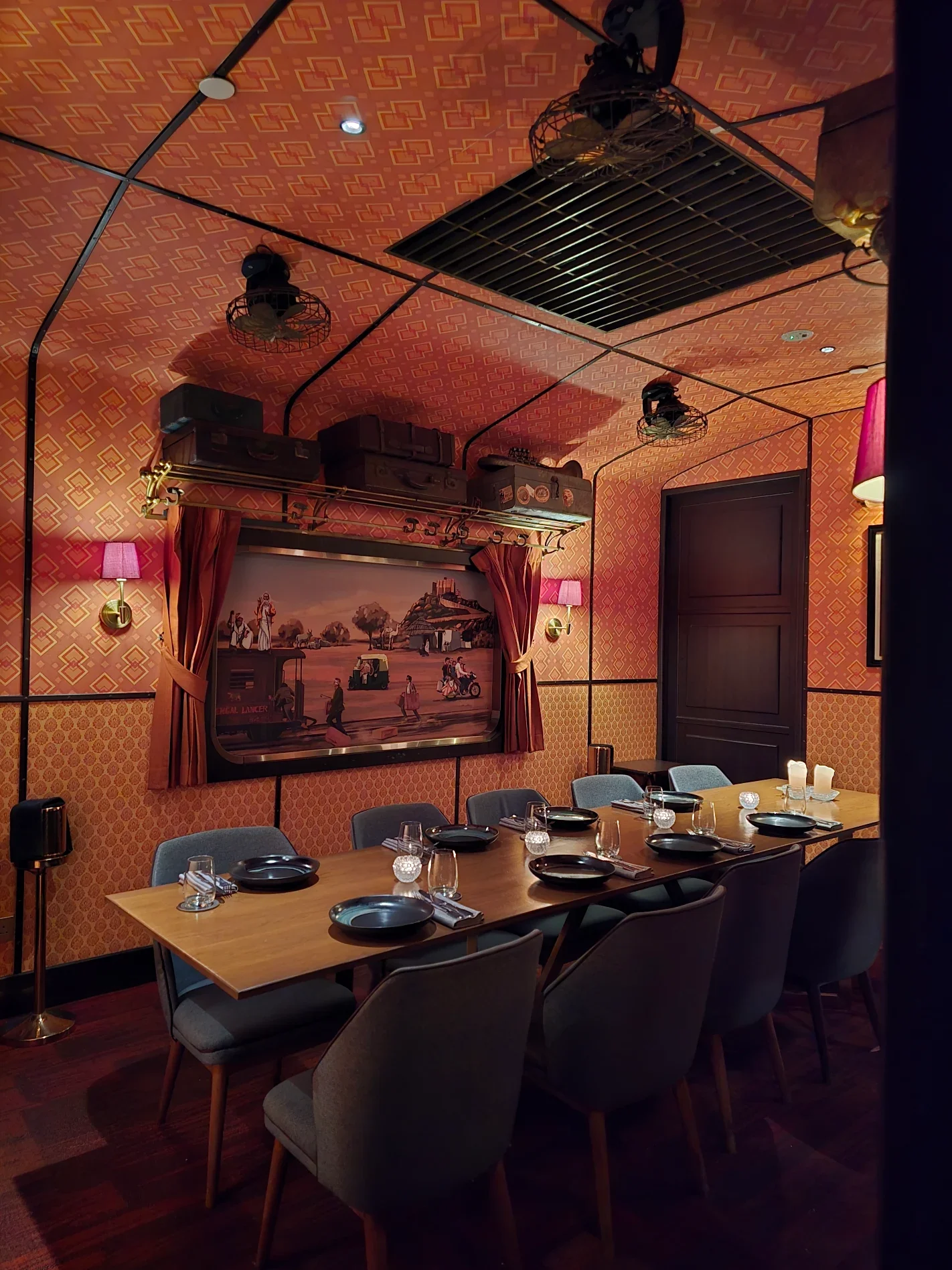
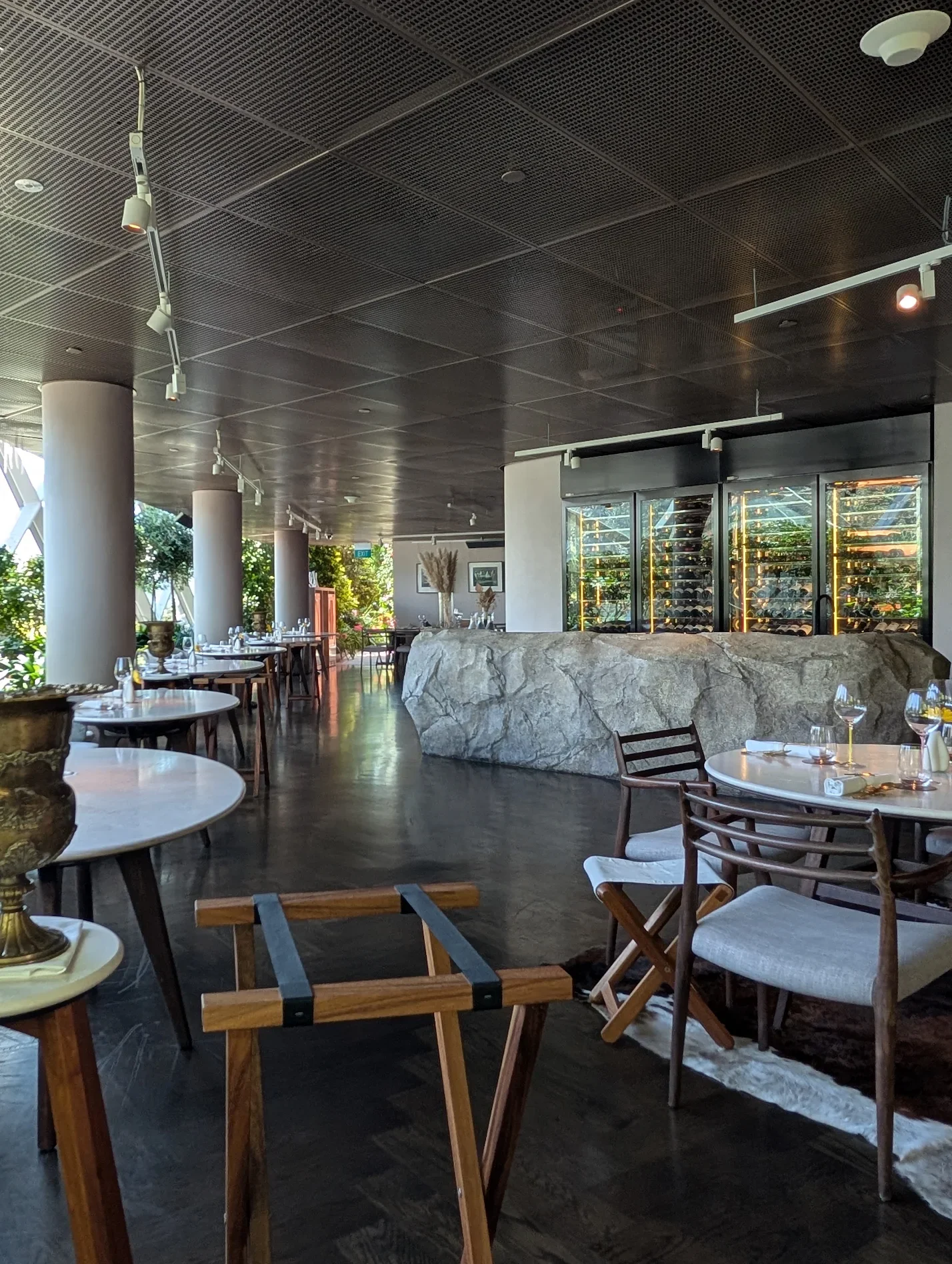
Sorrentino described Il Clay as a different kind of concept: part Italian restaurant, part supper club, with a dining room designed to transform into a livelier late-night environment.
Pizza remained essential.
So did the 48-hour dough.
But the restaurant around it became considerably more theatrical.
Il Clay currently describes itself as a combined Italian-Mediterranean restaurant and dining lounge, with Sorrentino still at the helm.
For a chef whose career has crossed several countries, it makes sense that the Singapore restaurant would not be an exact copy of the one in Vietnam.
Different city.
Different restaurant.
Same chef.
And Then He Started Breaking His Own Rules
By 2026, something interesting had happened.
Sorrentino's cooking in Singapore began moving further away from the strict Italian identity he had defended in Vietnam.
At Il Clay, he launched Behind Clay, a new concept occupying the restaurant's indoor dining space while Il Clay continued operating outside.
This time, the intention was explicitly more Asian.
Sorrentino worked with Chef Yip, a modern Chinese chef, to develop dishes influenced by Chinese and Southeast Asian flavours.
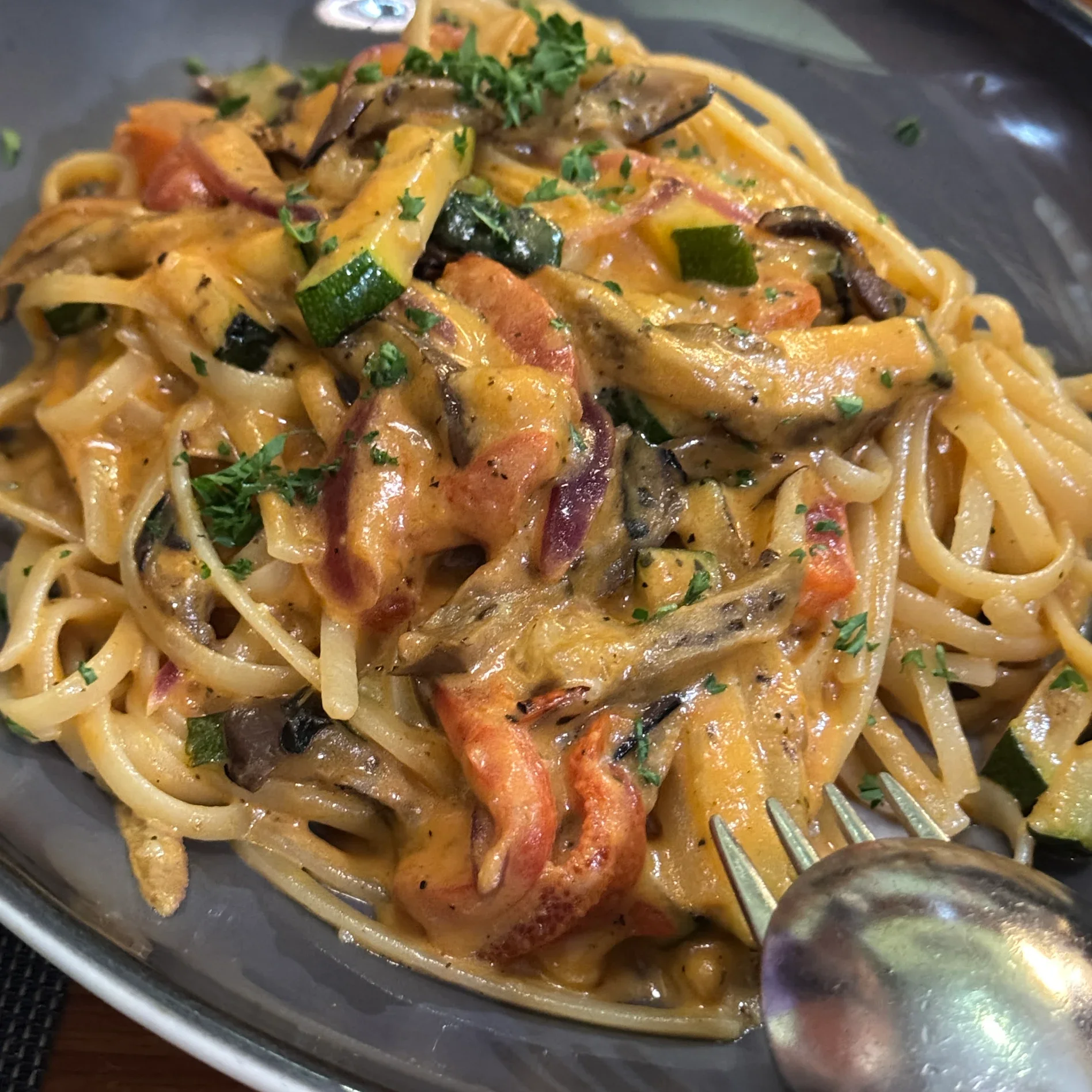
The menu included combinations such as mala pork belly, shrimp carpaccio with assam sauce, and pizza topped with foie gras alongside tamarind and pineapple.
For a chef who had previously resisted unnecessary fusion, this could look contradictory.
It is actually more interesting than that.
Sorrentino had not decided that Italian cooking suddenly needed Asian flavours.
He had created a separate place where those flavours were allowed to collide deliberately.
The distinction remained clear.
Margherì could remain Margherì.
Behind Clay could misbehave.
Vietnam Changed the Pizza Anyway
Even while protecting the identity of Italian food, years in Vietnam inevitably changed Sorrentino's relationship with ingredients.
Recent 2026 coverage of Margherì describes a chef whose Neapolitan pizza has become increasingly comfortable with the country where he now spends much of his life.
The Italian technique remains.
But Vietnam is no longer simply the place where the pizza is being served.
It has started appearing in the flavour vocabulary itself.
That evolution feels natural.
A chef can insist on respecting where a dish comes from without pretending that years spent somewhere else leave no mark.
Naples gave Sorrentino pizza.
Vietnam gave him another home.
Singapore gave him another place to experiment.
Eventually, all three were going to meet somewhere.
Awards Are Nice. Tomorrow's Pizza Still Has to Work.
Sorrentino has accumulated substantial recognition.
Margherì has appeared in 50 Top Pizza's Asia-Pacific and world rankings, received Gambero Rosso recognition, and established Sorrentino as a respected name within Asia's pizza scene.
But one of his more revealing comments has relatively little to do with awards.
He talks about consistency.
Quality has to be delivered every day.
That sounds obvious until you consider the reality of a restaurant.
The award is given once.
The customers arrive again tomorrow.
The dough still has to ferment.
The oven still has to be hot.
The next pizza still has to be good.
For all the international rankings surrounding his name, Sorrentino's philosophy keeps returning to something considerably more basic.
Do it properly.
Then do it properly again.
Ciro Sorrentino Took Naples With Him
Sorrentino's career has travelled remarkably far.
Naples.
Europe.
Latin America.
Vietnam.
Italy again.
Vietnam again.
Singapore.
Yet the foundation never really moved.
It is still pizza.
Still dough.
Still fermentation.
Still the craft that fascinated him when he was a boy watching pizzaioli work in Naples.
What changed was everything around it.
Vietnam became family and eventually another home.
Singapore became another experiment.
Asian ingredients started appearing beside Italian ones.
Restaurants grew.
Awards arrived.
But Ciro Sorrentino never needed to leave Naples behind to become an international chef.
He simply learned how to carry it with him.