French restaurants are often described broadly as Parisian, Provençal or simply “French.” Bistro Gaston is considerably more specific.
The Keong Saik Road bistro takes much of its identity from Burgundy, a region better known internationally for Pinot Noir and Chardonnay but equally rich in its own culinary traditions. Beef braised in red wine, eggs cooked with meurette sauce, Époisses cheese, escargots and rustic fish stews all belong naturally within that world, making Gaston feel less like a general survey of French cuisine and more like a restaurant built around a particular part of France.
That specificity gives it a clear place among The Cuisine Journal’s collection of Singapore venues. Gaston is casual enough for bread, wine and a few dishes at the bar, but substantial enough for a long dinner built around Burgundian food and a bottle chosen from an unusually serious cellar.
From Burgundy With Love
Bistro Gaston describes itself as an all-day bistro and wine bar inspired by the kitchens of Burgundy. Its home at 25 Keong Saik Road places it inside one of Singapore’s densest restaurant neighbourhoods, where conserved shophouses now hold everything from cocktail bars and European restaurants to modern Asian kitchens.
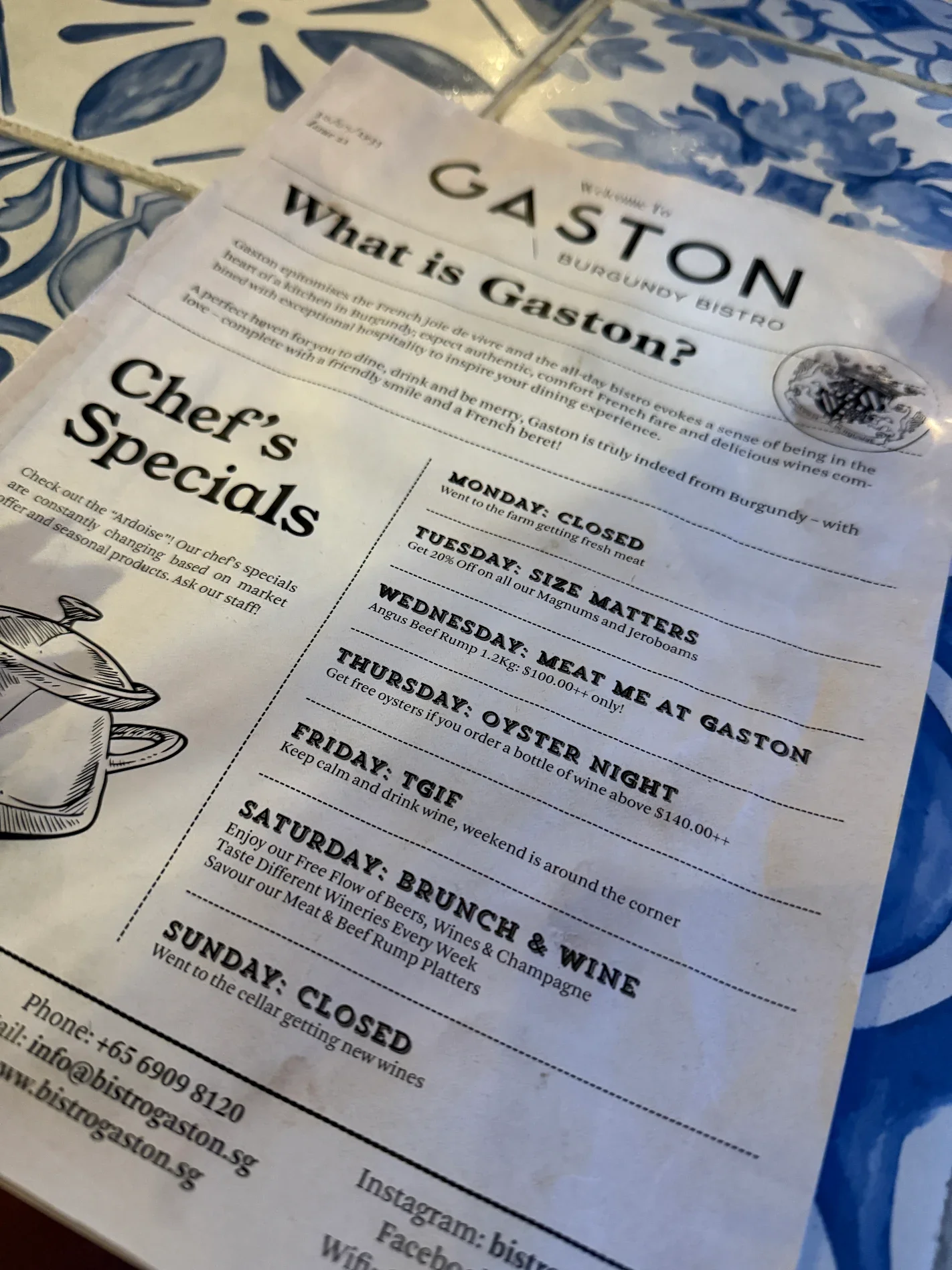
The restaurant's official Bistro Gaston website currently presents Gaston as a place for Burgundian comfort food and wine rather than formal French dining. The kitchen operates through much of the day from Tuesday to Saturday, which also explains why some diners appreciate being able to sit down for a proper meal at hours when many restaurants would already have closed between lunch and dinner.
That flexibility reinforces the bistro identity. Gaston works as a lunch restaurant, dinner destination and wine bar without needing to separate those functions too aggressively.
Boeuf Bourguignon Is the Obvious Starting Point
If Burgundy had to be represented by one dish outside France, boeuf bourguignon would probably win.
Beef is slowly braised with red wine, aromatics and typically bacon or lardons until the meat becomes tender and the cooking liquid develops into a deep sauce. It is rustic food whose success depends almost entirely on patience.
At Gaston, the dish is one of the clearest signatures.
Recent diners repeatedly praise both the tenderness of the beef and the richness of the sauce. One particularly detailed account describes red-wine depth, smokiness from bacon and enough savoury intensity that the mashed potato became almost a vehicle for collecting whatever sauce remained on the plate.
That is exactly how this kind of cooking should work. Boeuf bourguignon is not visually dramatic, nor does it require elaborate explanation. Its appeal comes from concentration and time.
This separates Gaston from the more contemporary restaurant language found elsewhere around the neighbourhood. Chefs such as Antonio Manetto have brought their own distinctly Neapolitan traditions into Singapore; Gaston does something similar for Burgundy, grounding the restaurant in regional food rather than a generic European identity.
Escargots With an Edible Shell
Gaston’s escargots provide a more playful example of how the restaurant handles tradition.
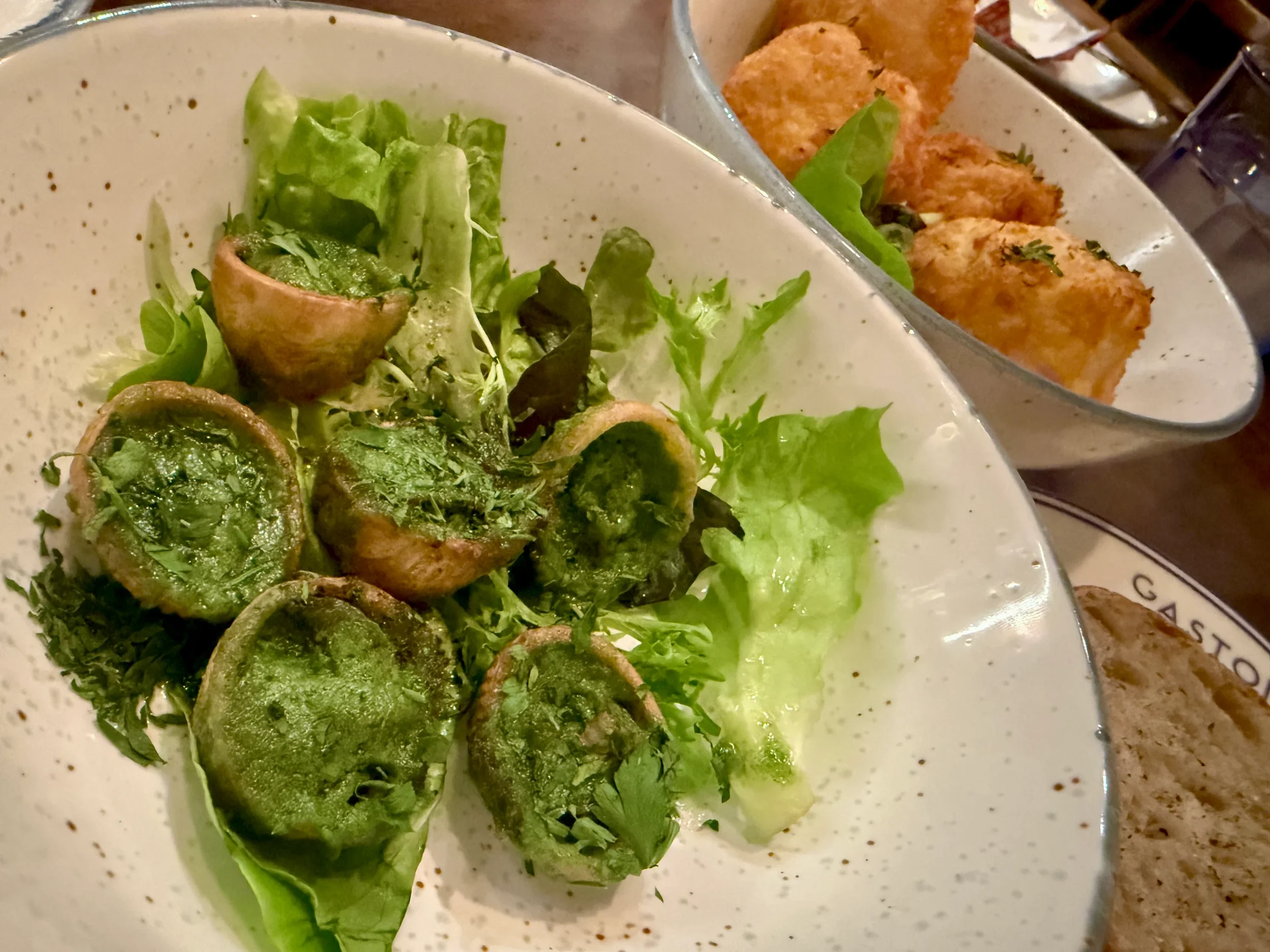
Instead of returning the snails to their natural shells, the restaurant has served them inside pastry shells that can be eaten along with the filling. The basic flavours remain familiar — butter, herbs, garlic and escargot — but the pastry changes both texture and the way the dish is eaten.
The idea appears repeatedly in diner feedback. Some guests particularly like the edible shell, while one thought the dish could have handled even more garlic.
It is a good example of Gaston adjusting a classic without turning it into something unrecognisable. The dish is still unmistakably escargots. The kitchen has simply removed the awkward business of extracting them from shells and replaced it with something crisp and buttery.
Époisses Gives the Croquettes a Burgundian Identity
The croquettes are another recurring favourite, and the use of Époisses makes them particularly relevant to Gaston's regional identity.
Époisses is one of Burgundy's most famous cheeses: soft, pungent and washed-rind, with far more intensity than its creamy texture initially suggests. Using it inside a fried croquette turns a strongly flavoured regional cheese into something immediately accessible.
Diners regularly mention the moment the warm cheese runs from the centre after the crust is broken.
That combination of crisp exterior and molten centre makes the dish easy to like even for people who might hesitate over a full portion of Époisses on a cheese board.
More importantly, it gives Gaston's small plates a stronger sense of place. A croquette itself could belong almost anywhere in Europe. Fill it with a Burgundian washed-rind cheese and it starts telling a more specific story.
Oeufs en Meurette and Burgundy Beyond Beef Stew
Burgundian food does not begin and end with boeuf bourguignon.
Oeufs en meurette is another regional classic, traditionally pairing poached eggs with a red-wine sauce containing ingredients such as bacon, onion and mushrooms. It demonstrates one of Burgundy's defining culinary habits particularly clearly: wine is not simply something drunk alongside food. It becomes part of the cooking itself.
Diner reactions to Gaston's version have varied. Some older reviews praise the richness of its sauce and interplay of textures, while another diner wished the dish had arrived warmer.
That distinction matters with a dish centred on egg and sauce, where temperature can significantly alter the experience.
Still, its continued presence within Gaston's repertoire helps distinguish the restaurant from French bistros that rely entirely on the most internationally recognisable classics.
Fish and Burgundy Are Not Contradictory
Gaston also serves seafood, including dishes inspired by the Burgundian tradition of fish cooked with wine.
One recurring example in diner feedback combines barramundi and mussels in a stew. Guests have praised the tenderness of the fish and shellfish as well as the garlic bread served alongside it, particularly useful for collecting the remaining sauce.
This broadens the restaurant beyond the heavier stereotype of Burgundy as a region of beef, bacon and red wine.
Burgundy's rivers and waterways have their own fish traditions, while white Burgundy offers a natural culinary partner for seafood. A bistro trying to express the region therefore has plenty of room to move beyond braised meat.
Bread Matters More Than It Sounds
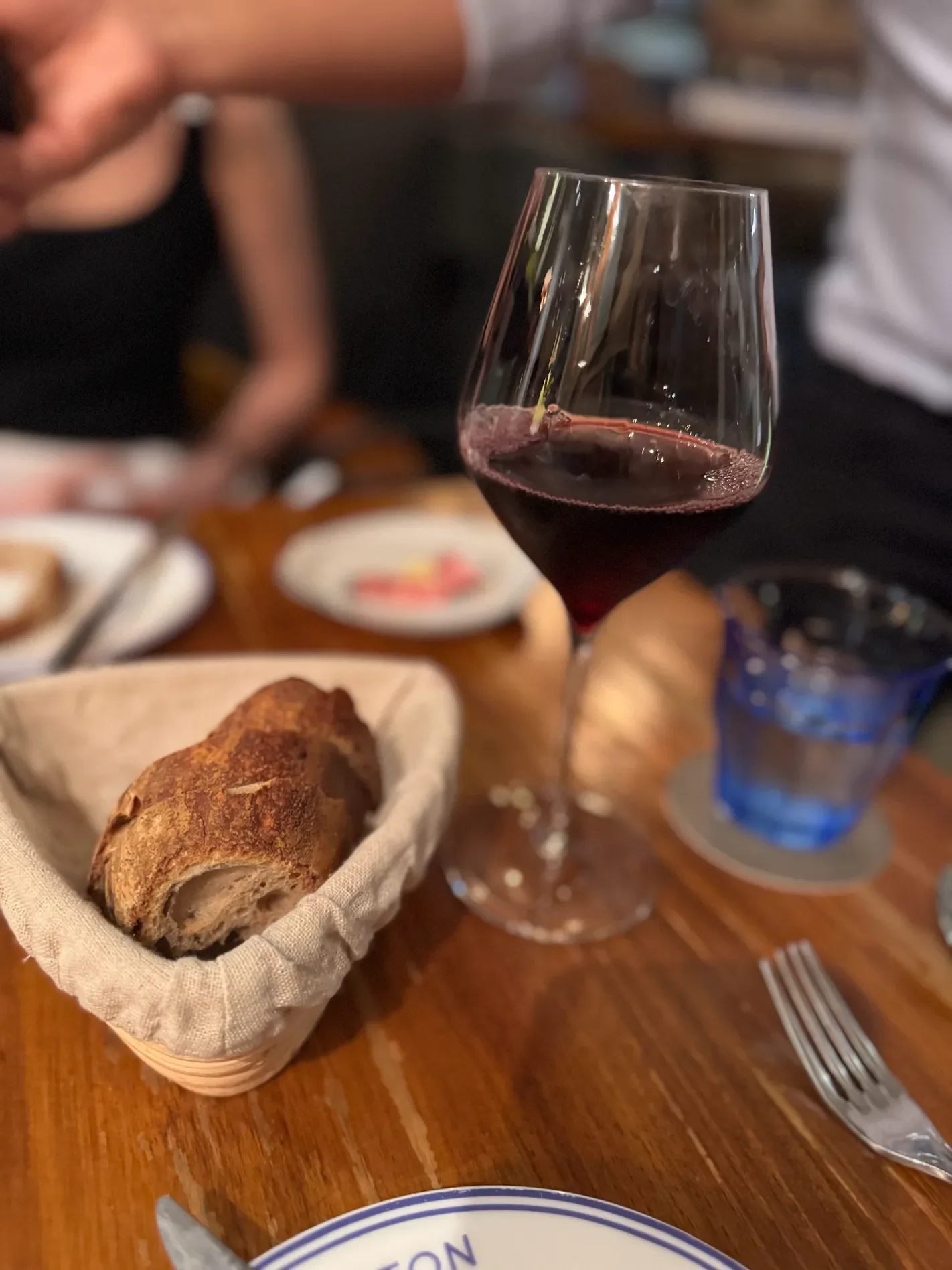
Some of the strongest enthusiasm in recent Gaston reviews is directed towards something diners do not technically order at all: the bread.
Warm sourdough with butter appears repeatedly in positive feedback, sometimes competing with the paid dishes for attention. One guest joked that slow service allowed the table to fill itself on the free-flow bread before the mains arrived.
Bread service can sound insignificant until it is done badly.
In a French bistro, it is part of the meal's infrastructure. Bread accompanies pâté, collects sauce, breaks up rich dishes and gives diners something to eat with wine. A good loaf also makes the restaurant feel generous before the first ordered plate arrives.
Several diners specifically describe Gaston's bread as something they would return for, which suggests the kitchen understands its importance.
Wine Is Half the Concept
Calling Gaston a bistro without mentioning its wine programme would miss a large part of the restaurant.
Burgundy produces some of the world's most sought-after wines, particularly Pinot Noir and Chardonnay, and Gaston makes that relationship between regional food and wine central to the experience.
The restaurant says its cellar includes hundreds of labels from France and elsewhere, with many wines sourced directly from producers. Its programme is designed to cover both serious Burgundy drinkers and guests who simply want a suitable glass with dinner.
The restaurant's Bistro Gaston Instagram also places considerable emphasis on bottles, producers, visiting winemakers and the connection between food and wine.
That gives Gaston a different rhythm from a conventional French restaurant. A diner can build the evening around the food, but just as easily begin with a bottle and decide what to eat around it.
For Burgundy, that relationship feels entirely appropriate.
Keong Saik Is the Right Neighbourhood
Gaston also benefits from where it is.
Keong Saik has become one of Singapore's most interesting dining streets, with old shophouses housing restaurants from numerous culinary traditions. Nearby, Italian chefs including Roberto Galbiati have similarly built careers around bringing regional European cooking into Singapore.
The neighbourhood allows a restaurant such as Gaston to feel specialised without feeling isolated.
A tiny Burgundian restaurant might seem unusually specific in another location. On Keong Saik, specificity is almost expected.
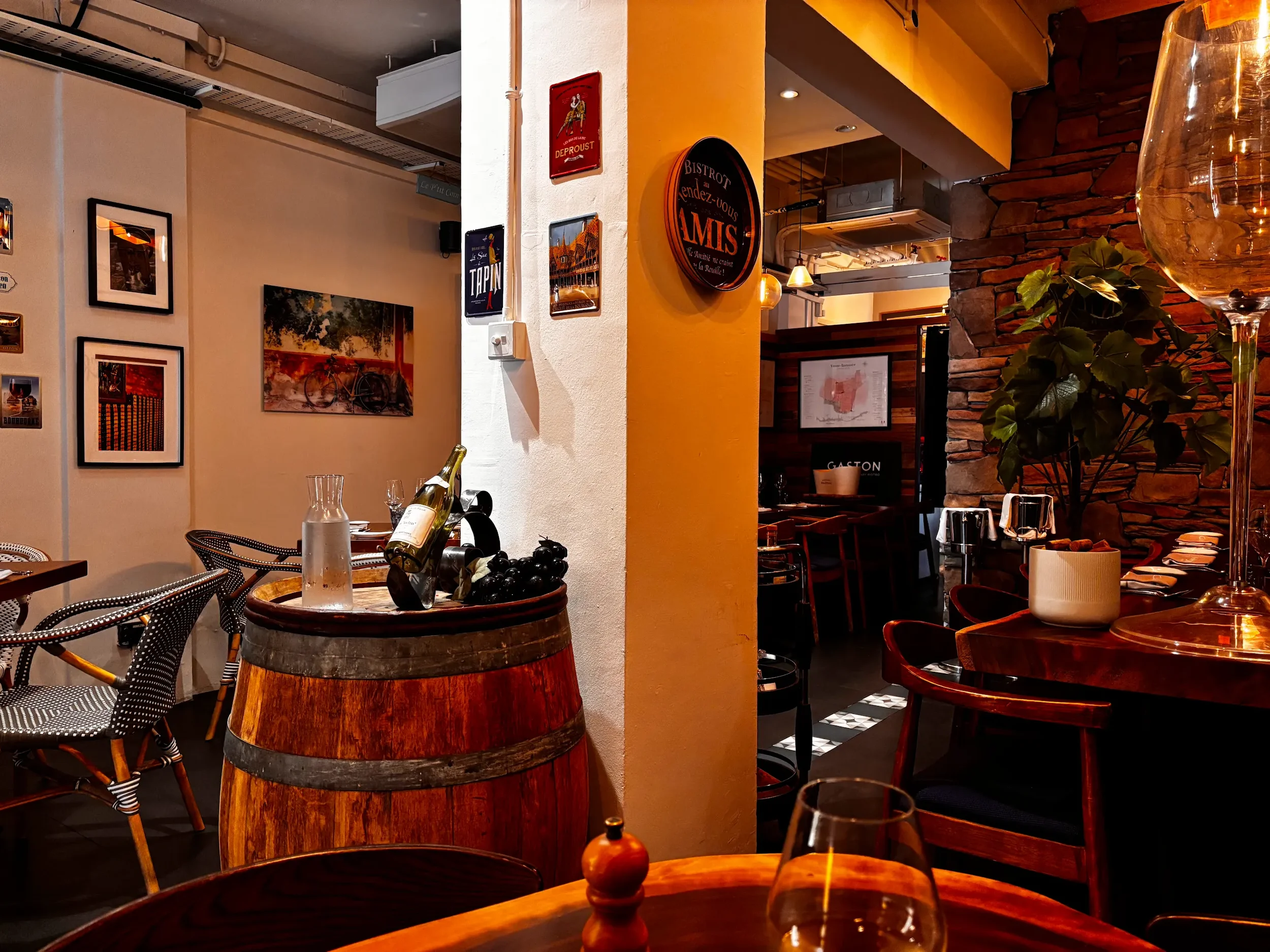
Gaston itself is compact, with diners describing the room as intimate and occasionally extremely tight when full. Some enjoy the closeness as part of the classic bistro atmosphere; others find the tables rather too close together.
Both reactions make sense. A genuine small bistro rarely provides enormous amounts of personal space.
Hospitality Is Generally a Strength
Service receives consistently strong feedback.
Diners describe staff as friendly, attentive and comfortable helping with both the food menu and wine list. Water is topped up frequently, sharing plates are offered without needing to be requested, and the restaurant generally appears relaxed rather than overly formal.
The main criticism is speed.
A recent table reported very long gaps between courses, including roughly an hour before the mains and a substantial wait for dessert. The service itself remained attentive, but the kitchen pacing significantly affected the meal.
That appears more like an operational inconsistency than the dominant experience, but it is worth acknowledging. Slow dining can feel leisurely when intentional; waiting without knowing when the next plate will arrive feels very different.
Pain Perdu Provides a Proper Bistro Ending
Dessert at Gaston continues the comfort-food approach.
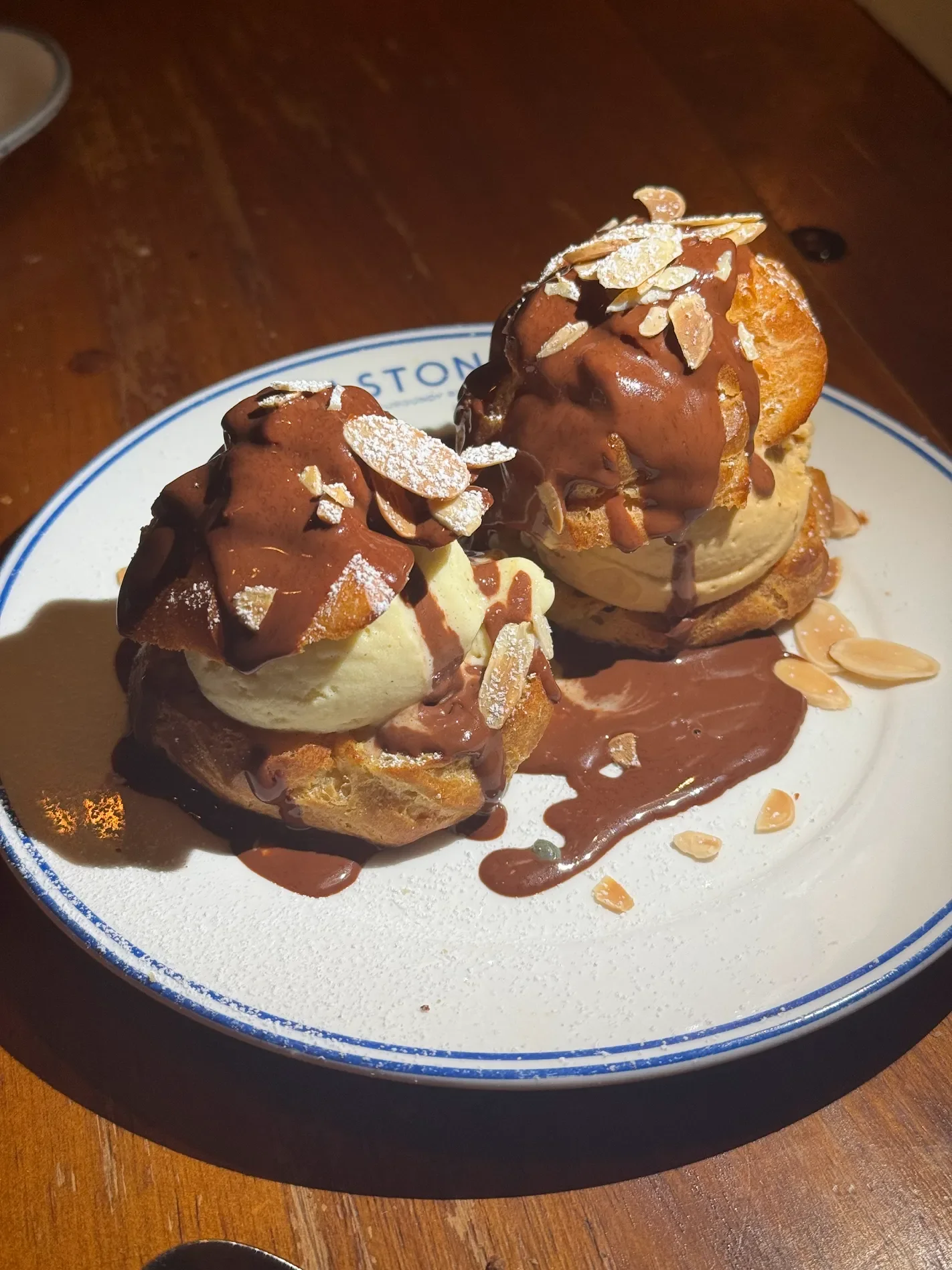
Pain perdu, profiteroles, chocolate desserts and cheese appear repeatedly in reviews, with the French toast particularly well received. One diner describes a caramelised exterior with a soft interior served alongside ice cream, while another simply considered it the right ending after boeuf bourguignon and escargots.
The desserts do not need to become especially modern because the rest of the restaurant is not trying to be.
After wine, stew and bread, a well-made pain perdu feels considerably more appropriate than something architectural and delicate.
Bistro Gaston at a Glance
Restaurant: Bistro Gaston / Gaston Burgundy Bistro & Wine Bar
Cuisine: Burgundian and traditional French bistro cooking
Address: 25 Keong Saik Road, Singapore 089132
Known for: Boeuf bourguignon, escargots in pastry shells, Époisses croquettes, Burgundian classics, sourdough and an extensive wine programme
Best suited to: Wine-focused dinners, date nights, small gatherings and diners interested in regional French food
Bistro Gaston's greatest strength is that it does not simply call itself French and stop there.
Burgundy gives the restaurant direction. Wine appears in the glass and in the cooking. Époisses gives the croquettes a regional accent. Boeuf bourguignon is treated as a genuine centrepiece rather than a token classic, while less internationally familiar dishes broaden the picture of what Burgundian food can be.
For a small restaurant on Keong Saik Road, that sense of place is enough to make Gaston feel considerably larger than its dining room.