Saint Pierre has been part of Singapore’s fine-dining landscape since 2000, long enough to have watched the city’s restaurant culture transform around it.
Chef-owner Emmanuel Stroobant’s restaurant began from classical French foundations, but more than two decades of living and cooking in Asia gradually changed the way those foundations were expressed. Today, Saint Pierre describes its cuisine as contemporary French with an Asian accent, combining French technique with ingredients and flavours drawn from the region.
At One Fullerton, that cooking is paired with one of the restaurant’s other defining features: floor-to-ceiling views across Marina Bay. Saint Pierre currently holds two Michelin stars in the 2026 Michelin Guide Singapore, where it is classified as French Contemporary.
Among The Cuisine Journal’s collection of Singapore venues, Saint Pierre represents a particularly long-lived version of chef-driven fine dining: a restaurant that has evolved substantially without abandoning the chef whose name and philosophy remain behind it.
Emmanuel Stroobant and More Than Two Decades in Singapore
Belgian-born Emmanuel Stroobant began his culinary career in Europe, training in classical French kitchens before his work eventually took him through Australia, Malaysia and Singapore.
Saint Pierre opened in December 2000. According to the restaurant’s official Saint Pierre website, Stroobant’s years in Asia gradually introduced a wider collection of ingredients and culinary references into his French foundation. The restaurant today describes that approach through three ideas that recur throughout its cooking: balance, precision and flavour.
That evolution is important because Saint Pierre does not operate like a French restaurant transplanted unchanged from Europe. Japanese produce, Southeast Asian seasonings and ingredients such as miso, sansho, perilla, wasabi and gula melaka can appear within preparations that still depend heavily on French technique.
The result is not simply fusion for the sake of combining cultures. After more than half of Stroobant’s life spent working in Asia, those influences have become part of the restaurant’s normal culinary vocabulary.
A Seafood-Led Tasting Experience
Recent Saint Pierre menus lean heavily towards seafood.
Diners describe courses built around Scottish salmon, lobster, sea urchin, caviar, marron, abalone, scallops and Japanese fish before the meal eventually moves towards beef and dessert. One returning guest specifically noted that seafood dominates the menu, something worth understanding before committing to a long tasting experience.
That emphasis suits Stroobant’s style. Seafood allows the kitchen to work with comparatively delicate textures while introducing richer sauces and Asian seasonings without immediately making the meal too heavy.
It also creates a gradual progression. Shellfish and fish establish the earlier portion of the menu, while more substantial ingredients such as Omi beef can provide the eventual savoury climax.
This kind of sequencing shares something with Sushi Sakuta, where the order and progression of individual seafood preparations are fundamental to the experience. Saint Pierre operates through an entirely different culinary tradition, but both restaurants rely heavily on subtle differences in texture, temperature and seasoning rather than overwhelming every course with intensity.
Caviar, Eel and the Opening Courses
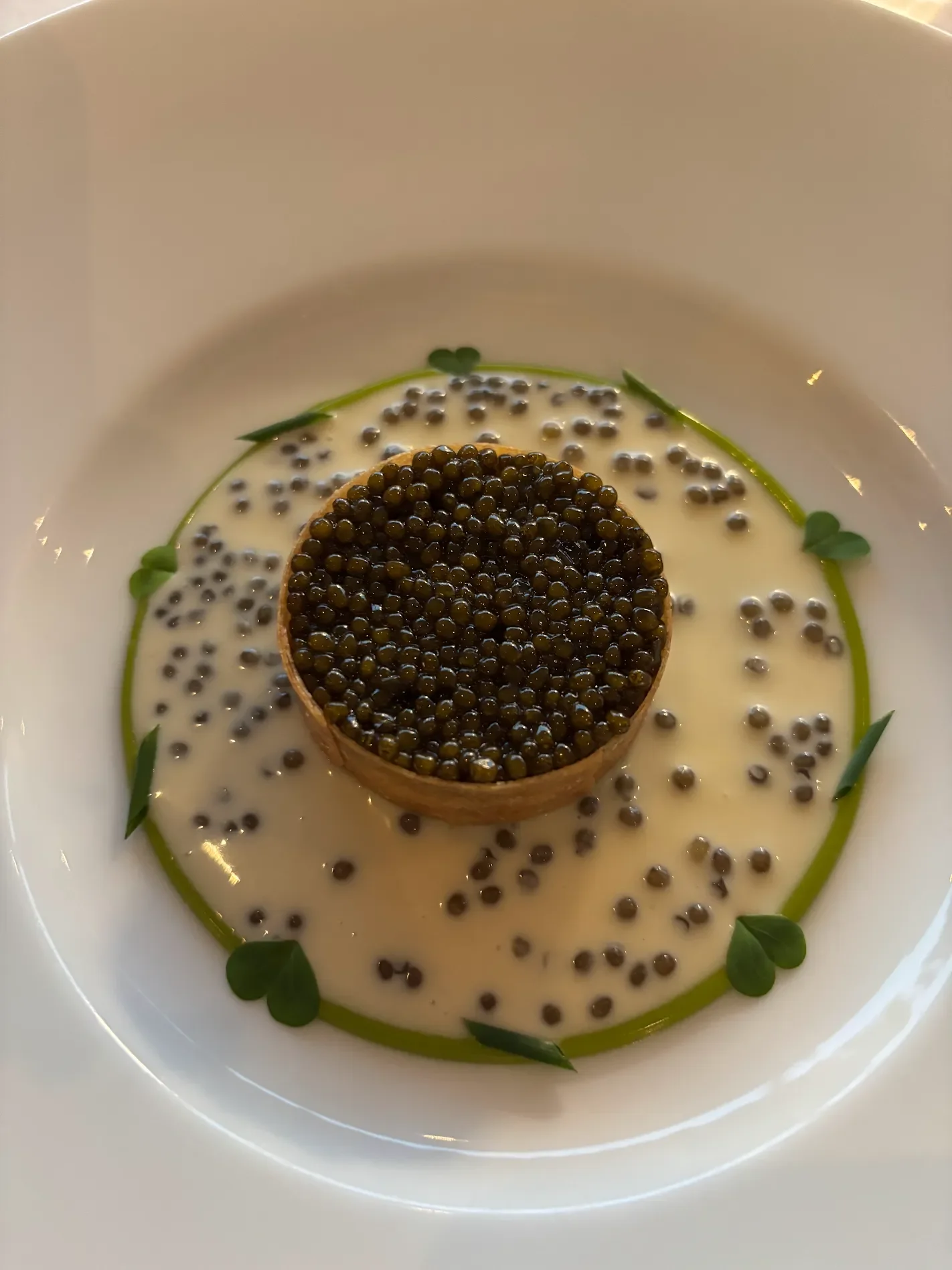
Caviar appears frequently within Saint Pierre’s more elaborate menus.
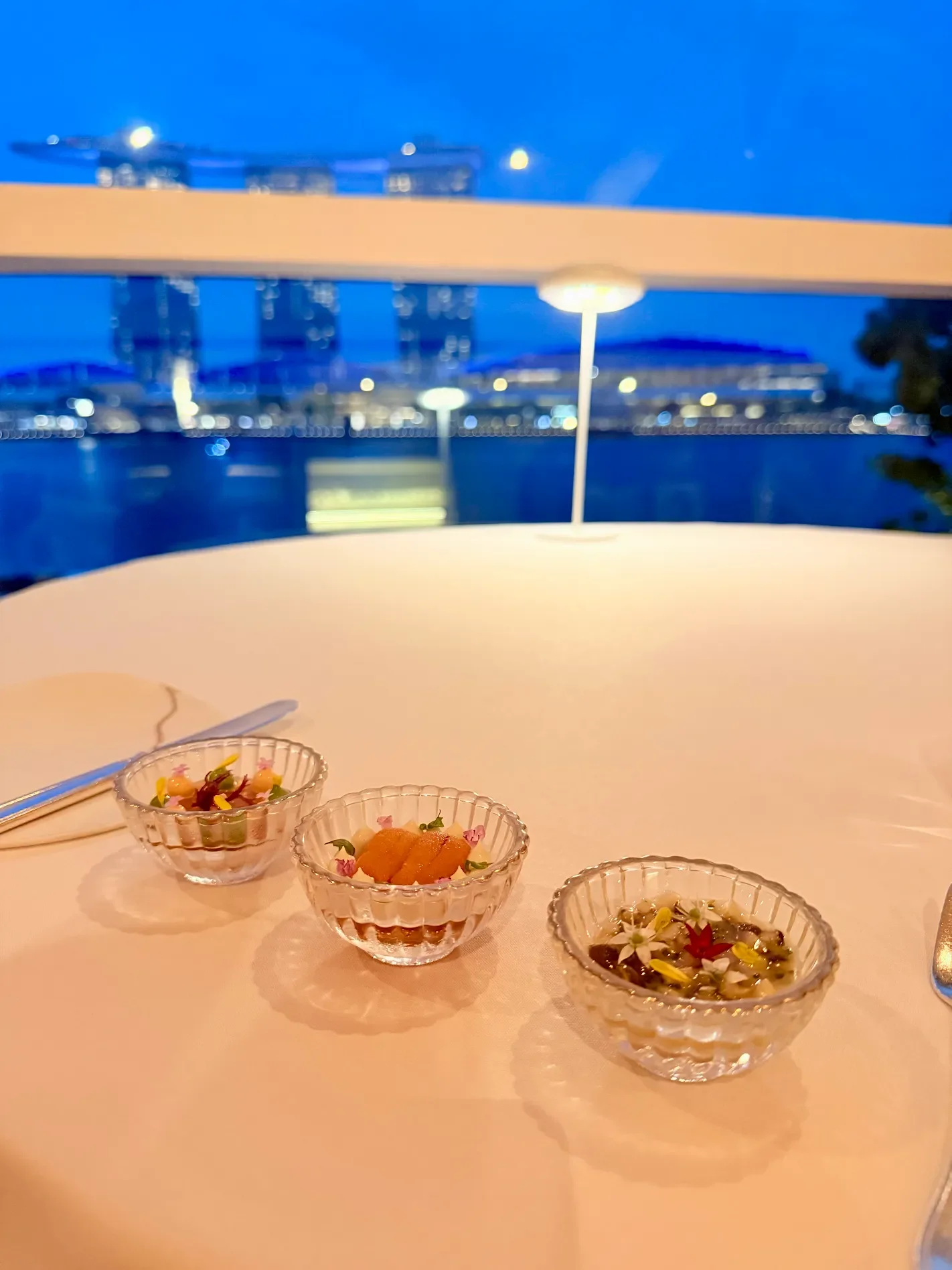
Recent diners describe Oscietra caviar paired with smoked eel and wasabi, while salmon can arrive with crème fraîche and sesame before the official tasting menu even begins. Other opening bites have combined lobster with dulse and pomelo or sea urchin with ingredients such as oxtail, cauliflower, mushrooms, sudachi and miso.
These combinations demonstrate Saint Pierre’s culinary identity efficiently.
Caviar and crème fraîche belong comfortably within European fine dining. Wasabi, miso, sudachi and seaweed shift the flavour profile eastward without requiring the kitchen to abandon the techniques underneath.
The Asian ingredients generally function as part of the seasoning architecture rather than as decorative references. Acidity, salinity, umami and aroma are the important qualities.
That makes the cooking feel more integrated than simply placing an Asian garnish onto an otherwise conventional French plate.
Marron, Abalone and the Importance of Texture
Seafood remains central as the menu progresses.
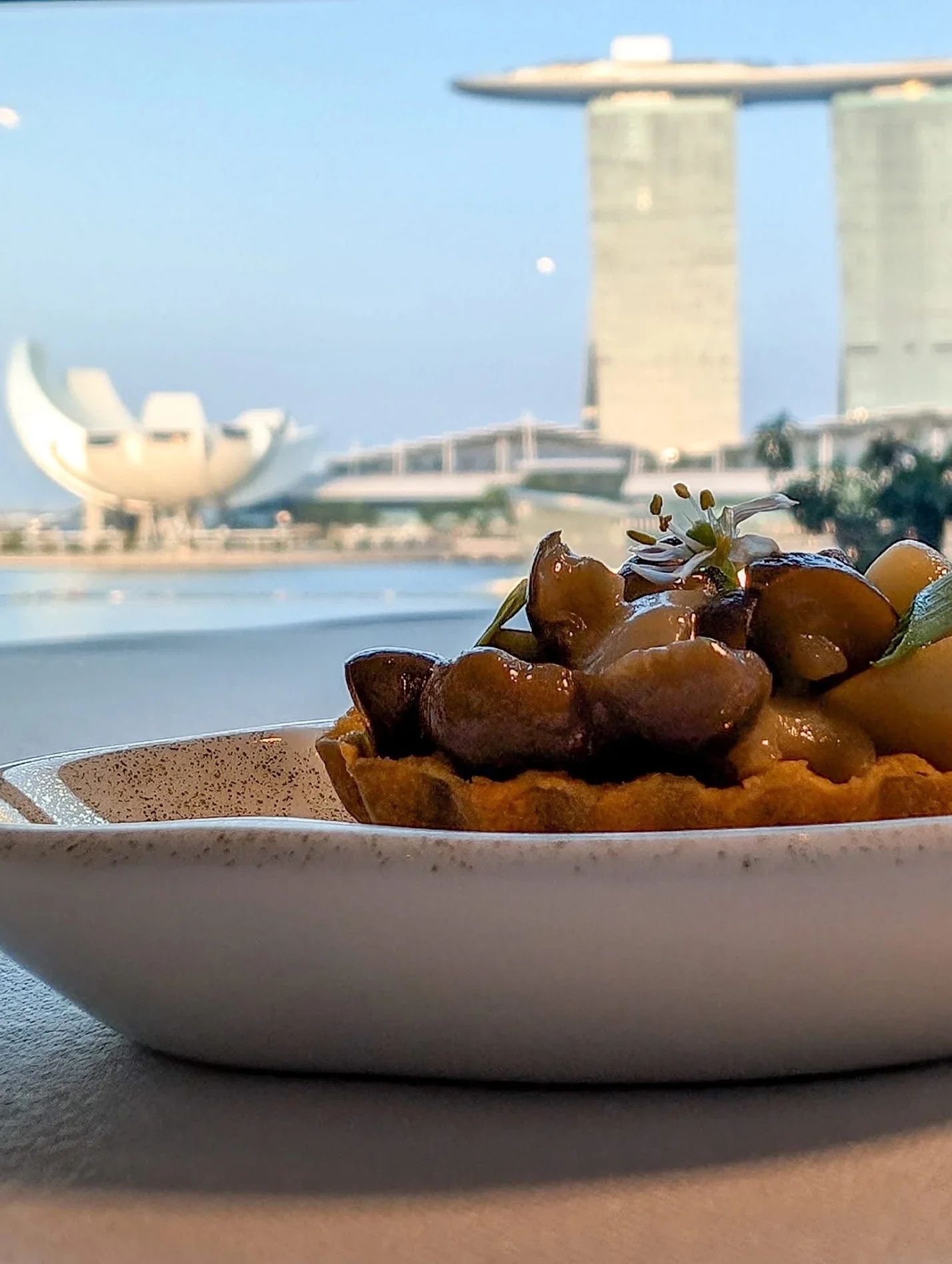
Manjimup marron has appeared with buttermilk and perilla, while Akita abalone has been paired with scallop and courgette. King crab also receives repeated praise from diners, including a Shizuoka king crab preparation with edamame that one anniversary table identified among the meal’s highlights.
Abalone is particularly revealing because its appeal depends heavily on texture. Improperly handled, it can become chewy and unrewarding despite its status as a luxury ingredient. Correct cooking preserves firmness while avoiding toughness.
That requirement suits a restaurant where precision is part of the identity.
Saint Pierre’s plates can be visually elaborate, but the best diner feedback tends to focus less on appearance than on balance: sweetness against acidity, richness against freshness, and soft textures against firmer ones.
Omi Beef Provides the Savoury Peak
Omi beef is one of the most frequently praised meat courses in recent Saint Pierre reviews.
The Japanese beef has appeared with cipollini onions and sansho pepper jus, combining intense marbling with the aromatic citrus-pepper character of sansho. One diner described the beef as the clear star of the evening, noting that the sauce remained rich without becoming excessively heavy.
That balance matters with highly marbled beef.
Wagyu and similar Japanese beef can become exhausting when a kitchen treats richness as an end in itself. Smaller portions, acidity, aromatics and carefully controlled sauces allow the ingredient to retain its impact without overwhelming the courses that follow.
Saint Pierre therefore uses beef as a culmination rather than the entire centre of the menu.
That differs considerably from restaurants structured around meat from the beginning. At Burnt Ends, fire and protein are fundamental parts of Dave Pynt’s culinary language. Saint Pierre places the beef within a broader seafood-led progression, allowing it to arrive as a change in intensity.
Asian Ingredients Have Become Part of the Restaurant’s French Language
Saint Pierre’s Asian influence is most convincing when it does not need to announce itself.
Sansho can season a beef sauce. Perilla can accompany shellfish. Wasabi can sharpen smoked eel and caviar. Gula melaka can appear in a dessert containing Japanese melon.
These ingredients are not necessarily there to turn an individual plate into an “Asian dish.” Instead, they extend the seasoning possibilities available to a French-trained chef who has lived in the region for decades.
Stroobant’s development mirrors a broader shift in Singapore fine dining. Chefs working here no longer need to treat French and Asian cuisine as completely separate categories. Technique can come from one tradition while an ingredient or flavour memory comes from another.
Saint Pierre has had more than twenty-five years to make that combination feel natural.
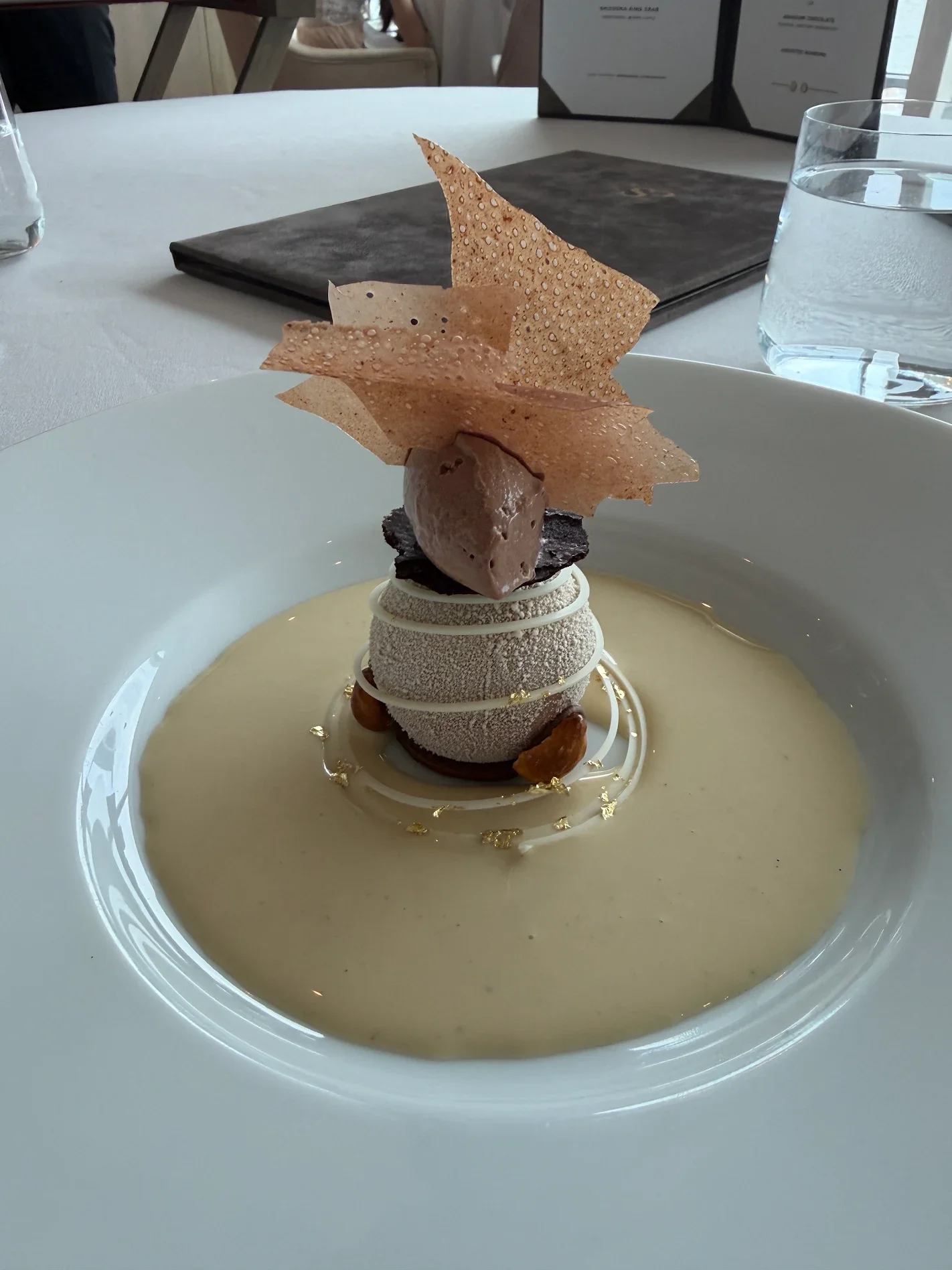
Dessert Continues the Cross-Cultural Approach
The restaurant does not abandon its Asian vocabulary when dessert arrives.
Recent menus include Shizuoka melon with peach gum and gula melaka, alongside raspberry baba flavoured with lemongrass. Chocolate preparations and bonbons provide more conventional endings, with some diners preferring the richer chocolate desserts to the fruit-driven options.
The baba is particularly appropriate for Saint Pierre.
Rum baba is deeply embedded within French pastry tradition, yet lemongrass immediately changes its aromatic profile. The structure remains recognisable while the flavour moves elsewhere.
That is essentially the same philosophy found throughout the savoury menu.
The Marina Bay View Is Part of the Experience
Food is only part of Saint Pierre’s appeal.
The restaurant occupies a second-floor space at One Fullerton with panoramic windows looking directly towards Marina Bay Sands and the surrounding waterfront. The official restaurant site places considerable emphasis on the view, and diner feedback repeatedly confirms that it contributes significantly to special-occasion meals.
Window tables are particularly desirable, although some of the restaurant’s dining arrangements attach them to specific tasting experiences.
That combination of food and setting makes Saint Pierre particularly suited to celebrations. Birthdays and anniversaries appear constantly in recent reviews, and guests frequently mention personalised cards, cakes and other small gestures from the team.
The view creates immediate drama, but Saint Pierre generally avoids making the rest of the room equally theatrical. The interior remains relatively elegant and restrained, allowing Marina Bay to provide the visual spectacle.
Stroobant Remains Visible in the Dining Room
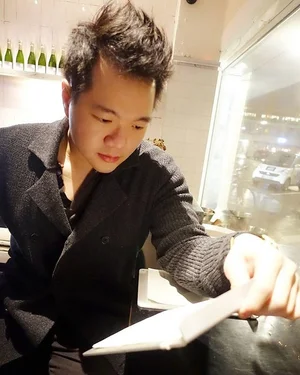
One of the most distinctive elements in diner feedback is Emmanuel Stroobant’s direct interaction with guests.
Recent diners describe him preparing or presenting courses tableside, talking about his life in Singapore, checking on tables and even bringing guests into the kitchen for a short tour.
This matters in a restaurant that has existed for more than two decades.
Chef-owned fine-dining restaurants can eventually become institutions where the founding chef’s name remains above the door while the person themselves becomes increasingly distant from daily service. Saint Pierre still appears closely connected to Stroobant.
That personal visibility reinforces the feeling that the restaurant continues to evolve under the same chef rather than merely maintaining a legacy concept.
Service Is One of Saint Pierre’s Most Consistent Strengths
Service receives some of the strongest and most consistent praise in the supplied diner material.
Staff are described as attentive without being intrusive, knowledgeable about individual courses and willing to allow guests to linger rather than rushing tables through the meal. Celebration dinners frequently involve personalised cards or desserts, while solo diners also report receiving similarly warm treatment.
The restaurant’s wine programme adds another layer. Saint Pierre’s official team includes Singapore’s first Master of Wine, Tan Ying Hsien, as wine consultant, overseeing a substantial cellar and pairing programme.
This level of service matters because Saint Pierre is not simply selling individual dishes. It is selling several hours of coordinated hospitality, and the dining room needs to carry as much of that experience as the kitchen.
Two Michelin Stars and the Expectations They Create
Saint Pierre retains two Michelin stars in the 2026 Singapore selection. Diners naturally arrive with expectations shaped by that distinction and by the restaurant’s price.
Most supplied reviews are strongly positive, but not every guest finds every course equally compelling. One diner admired the presentation and service yet felt several dishes did not produce the level of impact expected from a two-star restaurant, while another described the food as consistently excellent without claiming every course was individually extraordinary.
That difference is worth preserving.
At this level, diners are not simply asking whether dinner was good. They are comparing the meal with other ambitious restaurants around the world and evaluating whether the entire sequence justifies the cost.
Saint Pierre’s strongest argument appears to be consistency across the whole experience: precise food, strong service, wine, personal interaction with Stroobant and one of Singapore’s most recognisable dining-room views.
Saint Pierre at a Glance
Restaurant: Saint Pierre
Chef-owner: Emmanuel Stroobant
Cuisine: Contemporary French with Asian influences
Address: 1 Fullerton Road, #02-02B, One Fullerton, Singapore 049213
Michelin: Two stars in the 2026 Singapore selection
Known for: Seafood-led tasting menus, Asian-accented French cooking, Omi beef, extensive wine programme and Marina Bay views
Best suited to: Anniversaries, birthdays, destination dining and long tasting-menu experiences
The restaurant’s current Michelin listing can be found through the Michelin Guide’s Saint Pierre page.
Saint Pierre’s longevity is perhaps its most interesting quality. A restaurant that opened in 2000 could easily have become a historical reference point rather than a relevant dining destination. Instead, Stroobant continued changing the food as his own relationship with Asia deepened.
The French foundation remains visible, but it is no longer the entire story. After more than twenty-five years in Singapore, the Asian ingredients no longer feel like additions to Saint Pierre’s cuisine.
They have become part of its identity.