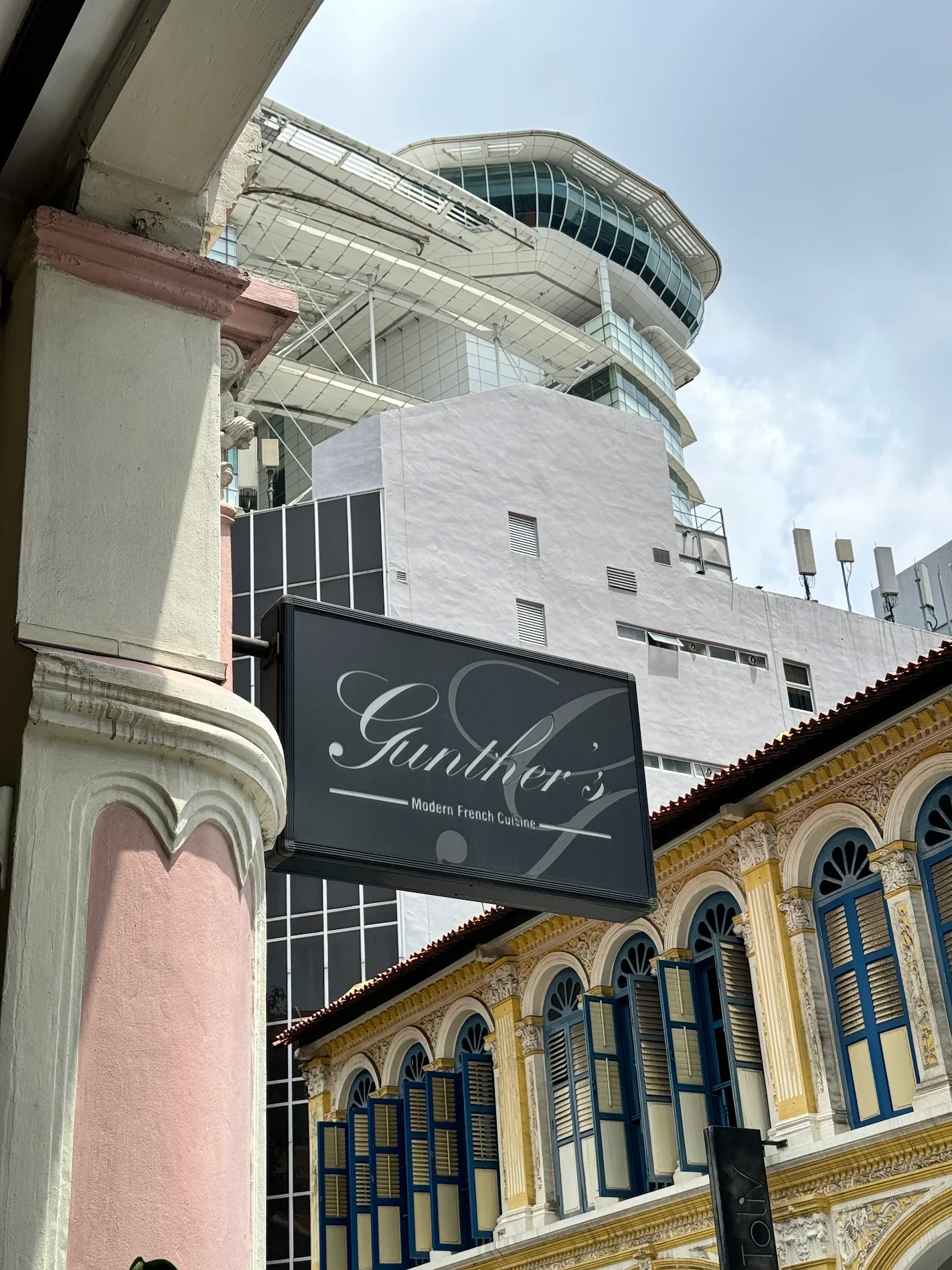
Gunther’s has spent years proving that modern French dining does not need to become increasingly complicated to remain interesting.
At his Purvis Street restaurant, Belgian chef-owner Gunther Hubrechsen works with premium ingredients, classical technique and relatively restrained presentations. Caviar, Wagyu, lobster and seasonal European produce certainly appear, but the restaurant's strongest dishes rarely feel built around luxury for its own sake. The emphasis is more often on clean flavours, accurate cooking and enough restraint to let an ingredient remain recognisable.
That philosophy has given Gunther’s an unusually durable identity within Singapore’s restaurant landscape. The restaurant currently remains listed by the Michelin Guide as French Contemporary, while Hubrechsen describes his own cooking in considerably simpler terms: honest, down-to-earth food polished with elegance and finesse.
Gunther Hubrechsen and a More Restrained Version of French Fine Dining
Gunther Hubrechsen came to Singapore after working in respected kitchens in Belgium and France, bringing with him the technical foundations of European fine dining without adopting the idea that every plate needs maximum complexity.
The restaurant's official story describes a philosophy guided heavily by seasons and ingredients. Recipes begin from relatively straightforward ideas before being refined through technique, plating and the combination of flavours.
That sounds modest for a restaurant associated with caviar, black truffles and premium seafood, but it helps explain why many of Gunther’s signature dishes have survived for years.
Hubrechsen does not appear particularly interested in replacing a successful dish merely because it has been on the menu for a long time. Several signatures on the current restaurant site carry dates showing when they were created, including the cold angel-hair pasta from 2005 and the fine apple tart from 2006.
Longevity becomes part of the argument. If diners continue ordering something nearly two decades later, novelty may be unnecessary.
The Cold Angel-Hair Pasta
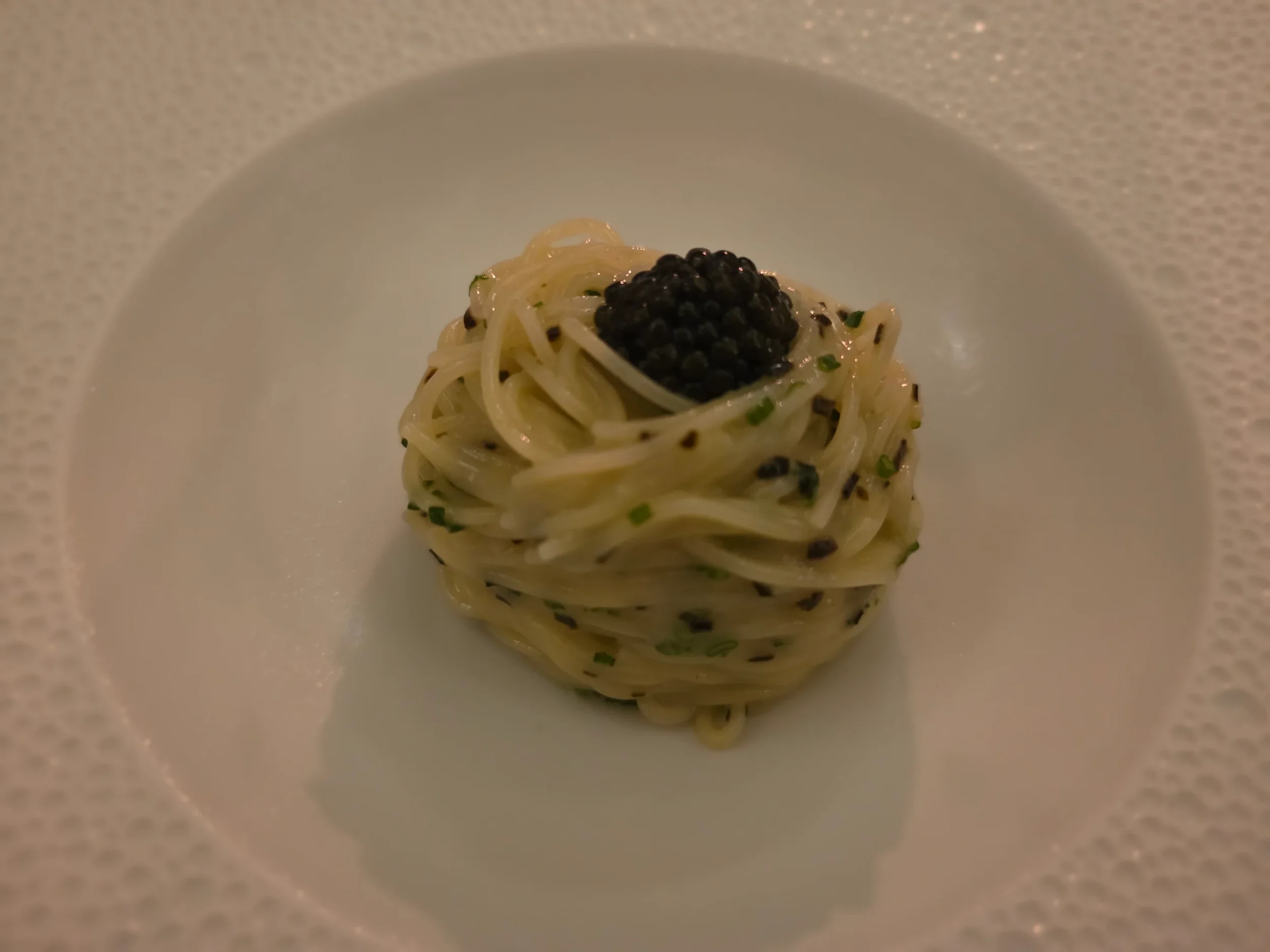
No dish is more closely associated with Gunther’s than the cold angel-hair pasta with Oscietra caviar.
The concept sounds luxurious but is structurally simple. Extremely fine pasta provides the base, truffle contributes aroma and caviar brings salinity, texture and richness. The restaurant dates the creation to 2005, making it one of Hubrechsen's longest-running signatures.
Recent diners still describe it as one of the restaurant's strongest dishes. Some praise the richness of the truffle aroma while noting that the finished pasta remains surprisingly light rather than becoming overwhelmed by its expensive ingredients.
That balance is what makes the dish more interesting than the ingredient list suggests.
Caviar and truffle can easily become shorthand for luxury. Put both onto the same plate and the result can feel like a collection of expensive ingredients rather than a coherent dish. Gunther’s succeeds when those ingredients function as seasoning rather than spectacle.
The pasta itself remains central.
Seasonal Produce Still Determines Part of the Menu
Gunther’s may have longstanding signatures, but the rest of the menu changes more substantially with availability.
White asparagus season is one example. A recent diner specifically visited when white asparagus appeared on the menu and praised the restaurant for treating the ingredient with enough restraint that its character remained intact.
This seasonal approach is deeply rooted in European cooking. Ingredients such as asparagus, truffles, certain mushrooms and specific seafood become closely associated with particular times of year, and their brief availability gives restaurants a reason to temporarily reorganise parts of the menu.
Gunther’s currently maintains seasonal lunch and dégustation menus alongside its permanent signatures, with the restaurant emphasising produce-led changes rather than replacing its entire culinary identity every few months. Its current menu collection includes seasonal menus alongside dedicated selections for ingredients such as black truffle and the restaurant's cold angel-hair pasta.
It is a useful compromise between consistency and change.
Regular guests can return for the pasta or apple tart they remember, while the kitchen still has room to respond to the season.
Precision Without Excessive Complexity
One recurring theme across recent diner feedback is that Gunther’s food feels technically polished without trying to demonstrate how difficult it was to make.
A diner who visited during white asparagus season described the cuisine as classic and grounded, with quality ingredients and technique taking precedence over unnecessary complexity. Another returning guest praised the restaurant precisely because dishes were plated elegantly without feeling overworked.
This separates Gunther’s from restaurants where innovation itself becomes part of the experience.
At Burnt Ends, Dave Pynt built an entire restaurant language around fire and custom ovens. Gunther’s is far closer to the classical French tradition, where technique is expected to disappear into the finished dish.
A perfectly cooked piece of fish does not need to announce the difficulty involved.
Neither does a sauce.
The diner should notice that something tastes correct before wondering how it was achieved.
Iberico Pork Jowl Shows the Strength of the Savoury Cooking
Although the cold pasta receives the most attention, recent reviews suggest that Gunther’s is particularly good with richer cuts of meat.
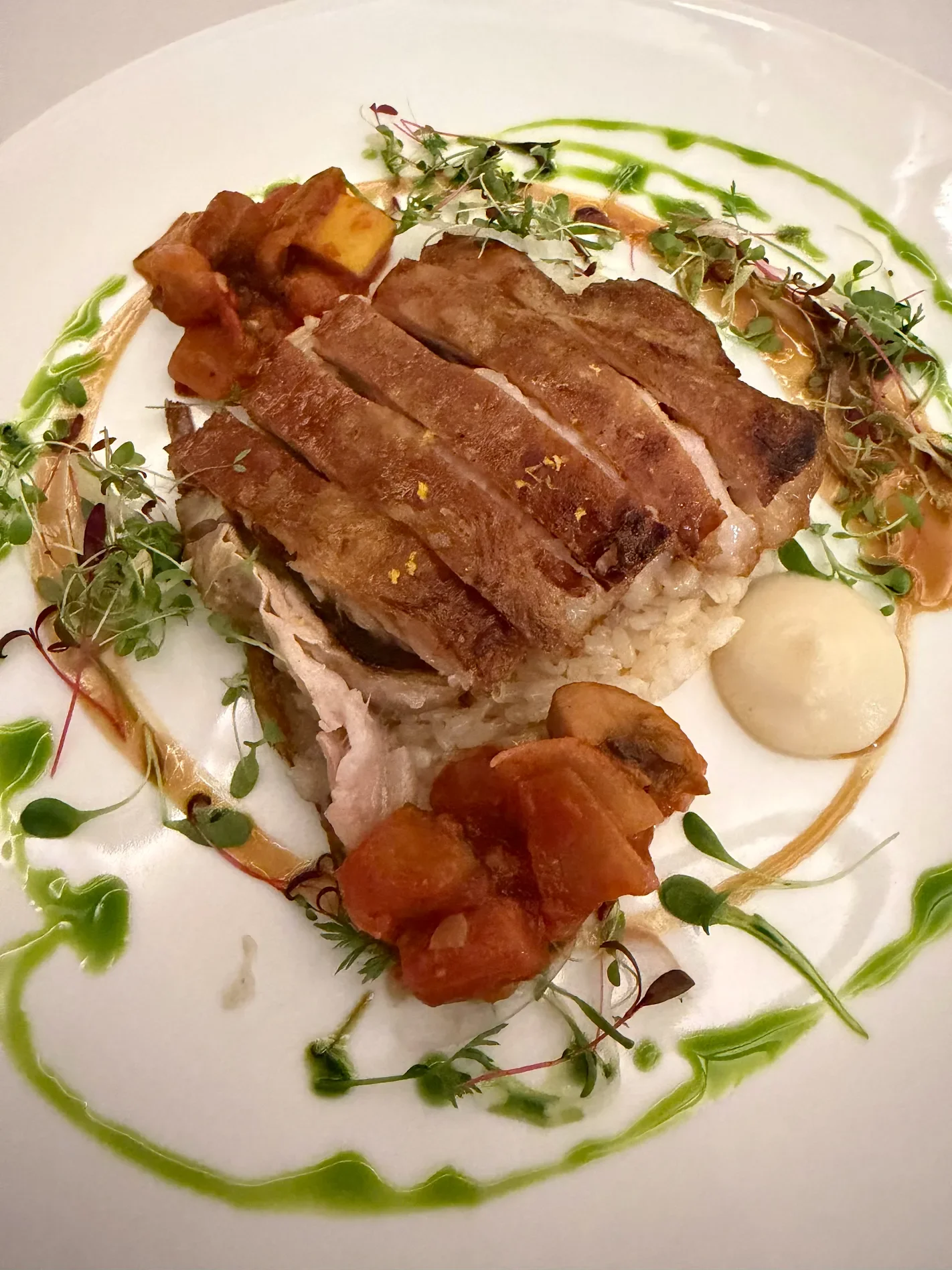
Iberico pork jowl appears repeatedly as a highlight. The cut contains substantial fat, making correct cooking essential. Too little rendering leaves it unpleasantly heavy; too much can remove the texture that makes the cut worthwhile.
Recent diners describe Gunther’s pork jowl as exceptionally tender, with the balance between fat and meat handled particularly well. One guest called it the standout savoury course of a seasonal lunch, while another praised it alongside lobster and seafood dishes during a birthday meal.
This type of dish suits Hubrechsen's cooking because the ingredient already provides complexity. The kitchen's task is not to obscure it, but to control it.
Seafood Is Equally Important
Gunther’s menu is not particularly meat-heavy for a French restaurant.
Scallops, cod, lobster, king crab, prawns and squid appear regularly across seasonal menus and recent diner accounts. These preparations tend to follow the same philosophy as the meat: strong ingredients, careful cooking and relatively direct flavour combinations.
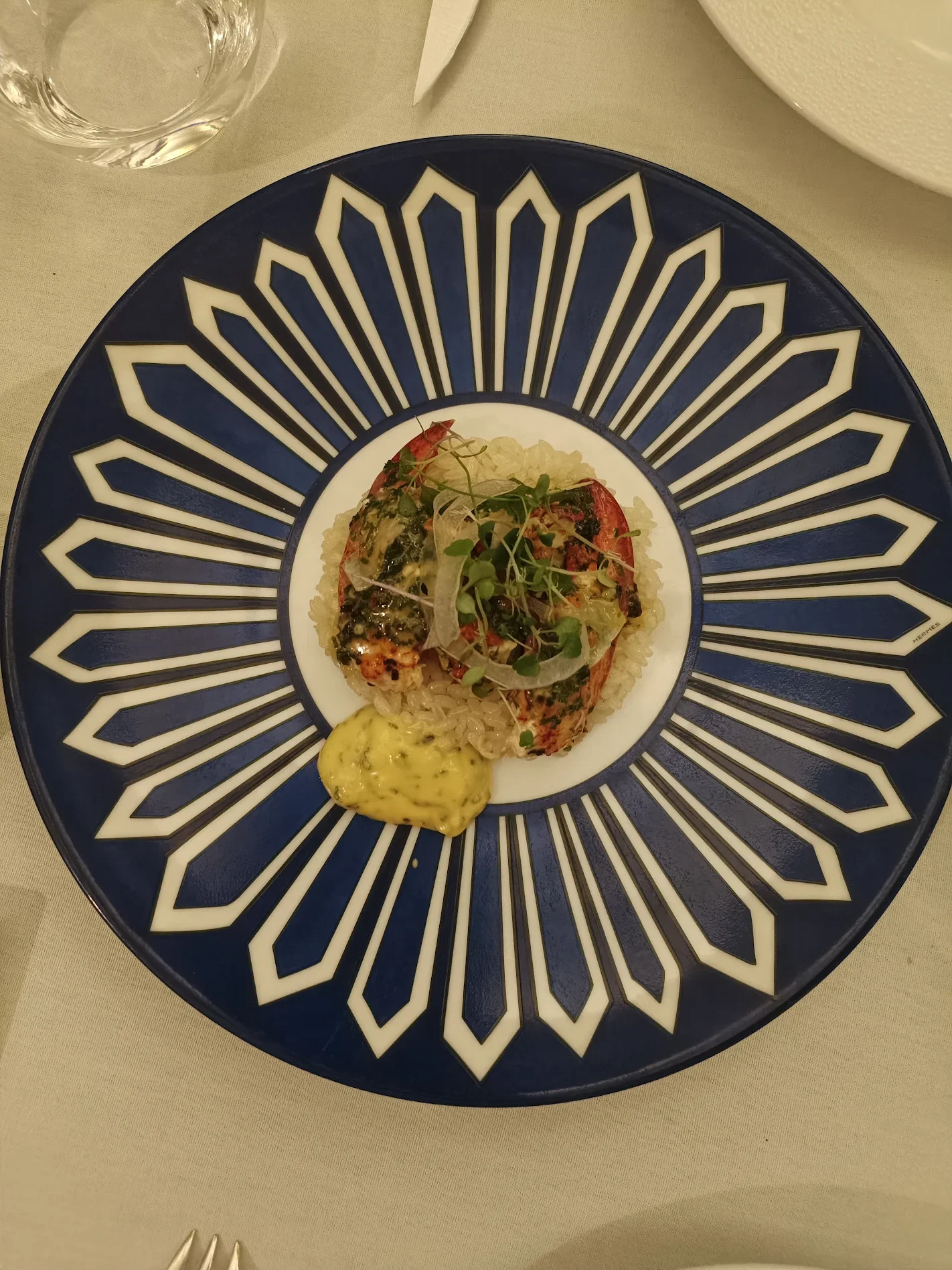
One diner singled out seared Atlantic squid for its intensity and unusual texture, while another praised perfectly cooked lobster with Béarnaise. Others mention king crab with tomato-infused rice and smoked Alaskan crab with Comté.
Seafood also prevents the menu from becoming overly rich.
Fine dining built around truffle, caviar and fatty meat can quickly become exhausting if every course tries to increase the level of indulgence. Fish and shellfish allow the kitchen to introduce cleaner textures and flavours between heavier dishes.
This attention to sequencing is also important at Japanese restaurants such as Sushi Sakuta, where progression and precision matter as much as any individual piece. The formats are completely different, but both depend on knowing when not to overwhelm the diner.
The Fine Apple Tart Has Become the Other Essential Signature
If the cold pasta defines the beginning of a Gunther’s meal, the fine apple tart provides its most recognisable ending.
The restaurant dates the dish to 2006 and currently serves it with salted caramel and Havana rum-raisin ice cream.
The tart appears constantly in recent reviews.
Diners describe it as one of the strongest desserts, sometimes choosing it as the clear highlight of the final course. One guest who returned after nearly a decade paired the tart with the cold angel-hair pasta as the dishes that made the restaurant particularly memorable.
A thin apple tart fits Gunther’s philosophy particularly well because it depends on fundamentals. Pastry needs crispness. Apple needs sufficient acidity to balance sugar. Caramelisation needs control. Ice cream introduces richness without requiring the dessert to become visually elaborate.
The dish is recognisable before it arrives.
The quality has to come from execution.
Lunch May Be the Most Accessible Way to Understand Gunther’s
Gunther’s pricing can become substantial at dinner, particularly when premium ingredients, wine and à la carte selections are involved.
Lunch provides a different entry point.
The restaurant currently offers seasonal and express lunch formats, with its seasonal set beginning at S$58++ for three courses. Signature dishes such as the cold angel-hair pasta and fine apple tart can appear with supplements, allowing diners to experience the restaurant's best-known dishes without committing to a full dégustation.
Recent diner feedback frequently mentions lunch positively, although opinions on value are not universal.
Some consider the lunch menu unusually good value for cooking at this level. Others feel the restaurant is still expensive when the selected courses do not include enough substantial meat or when supplements accumulate.
That difference is understandable. Gunther’s uses ingredients capable of increasing a bill quickly, particularly caviar, truffles and premium seafood.
The restaurant makes the most sense for diners who value ingredient quality and technical execution more than sheer quantity.
The Room Has Changed Less Than the Food Around It
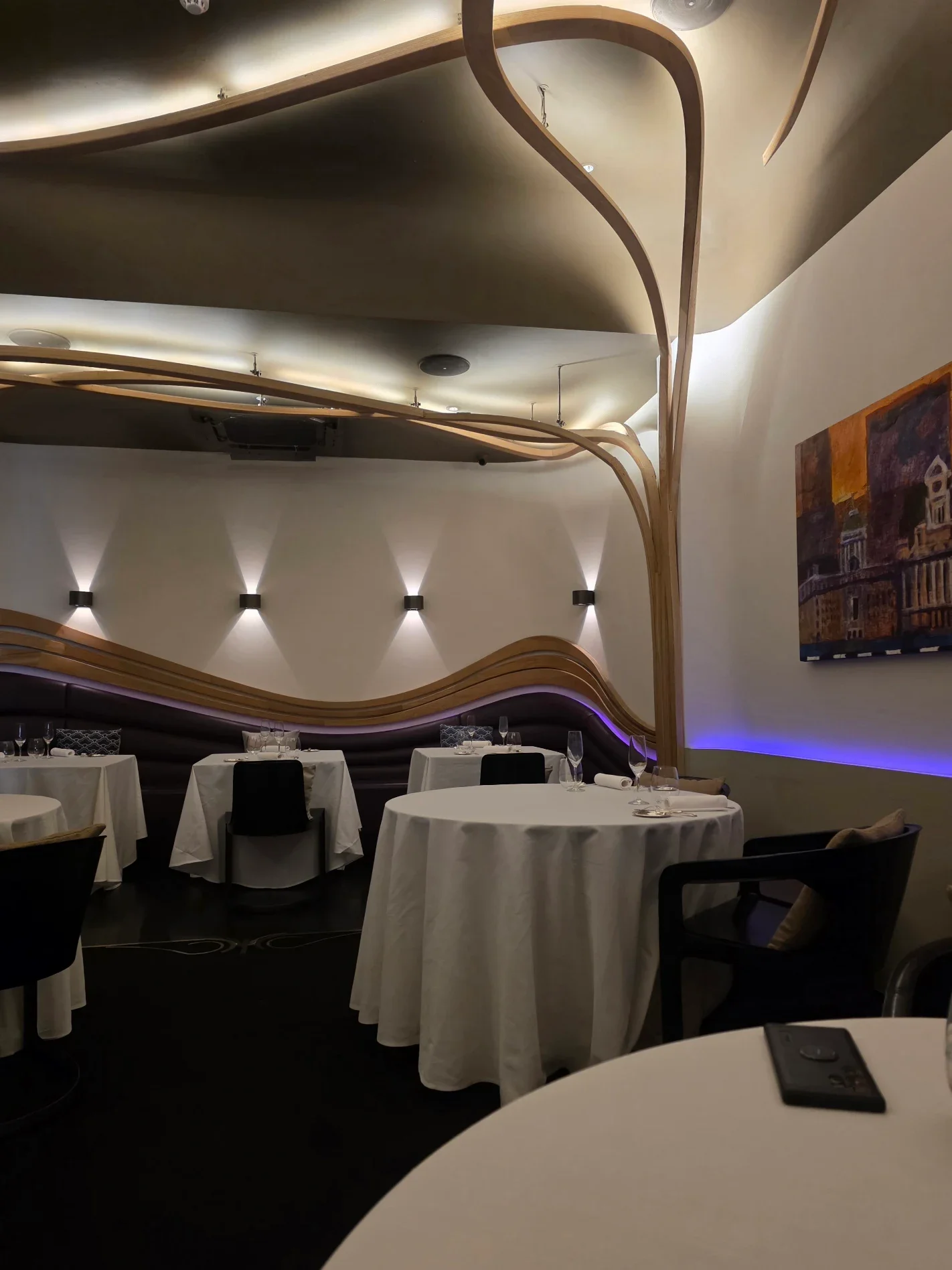
Gunther’s dining room is relatively dark and restrained, which some diners appreciate for its intimacy and others find somewhat dated.
One returning guest felt the décor had become tired compared with previous visits and described the room as darker than they would prefer. Others call the restaurant understated, comfortable and pleasantly free from the visual theatrics found in newer fine-dining spaces.
That divide reflects a wider question facing long-running restaurants.
Should an established restaurant continually redesign itself to match contemporary expectations, or should the room become part of its history?
Gunther’s appears to have chosen continuity.
The restaurant has never relied heavily on spectacle, so the relative simplicity of the room remains consistent with the food.
Service and the Presence of the Chef
Service is one of the more consistently praised aspects of recent experiences.
Diners mention attentive staff, strong recommendations and a sommelier capable of guiding pairings without excessive formality. Dietary requirements are also frequently described as being handled smoothly.
Hubrechsen himself also appears in several accounts, walking through the dining room and asking guests for feedback.
That detail matters.
Chef-owned restaurants feel different when the chef remains visibly connected to daily service. It reinforces the idea that the food is still tied to an individual rather than simply being maintained under a famous name.
There is a similar personal continuity in the story of Roberto Galbiati, another European chef whose career eventually became deeply rooted in Singapore. Restaurants gain a different kind of authority when the chef's relationship with the city stretches across years rather than a brief overseas posting.
Not Every Diner Finds the Experience Equally Compelling
Gunther’s reviews are strongly positive overall, but the more critical accounts are useful.
Some diners feel the restaurant has become less inspired than it once was. Others question whether the food justifies the price, particularly when a tasting menu does not include the kind of substantial meat course they expected. One guest praised the ingredients and service but still felt the overall menu was underwhelming for the cost.
These criticisms are not necessarily contradictory to the restaurant's strengths.
Gunther’s deliberately avoids the constant novelty that characterises some modern fine-dining restaurants. Diners looking for radical experimentation may therefore find it conservative.
Those looking for polished French cooking built around high-quality ingredients may see exactly the same restraint as an advantage.
Gunther’s at a Glance
Restaurant: Gunther’s Modern French Cuisine
Chef-owner: Gunther Hubrechsen
Cuisine: Modern French
Address: 36 Purvis Street, #01-03, Singapore 188613
Known for: Cold angel-hair pasta with Oscietra caviar, seasonal European produce, premium seafood, Iberico pork and fine apple tart
Best suited to: Business lunches, celebrations and diners who prefer technically precise French cooking without excessive theatricality
Gunther’s has survived in Singapore because it has never depended entirely on what is fashionable in fine dining.
The cold angel-hair pasta remains because it still works. The apple tart remains because diners continue ordering it. Seasonal produce gives the kitchen room to change, but the restaurant does not seem embarrassed by its own history.
That confidence may be Gunther’s most distinctive quality.
Hubrechsen has spent years refining a relatively clear idea of modern French cooking: use excellent ingredients, understand classical technique, add complexity only when it improves the dish, and stop before refinement becomes clutter.