La Table d’Emma Singapore: Alsatian Comfort Food on Club Street
Singapore has no shortage of French restaurants, but relatively few spend much time talking about Alsace.
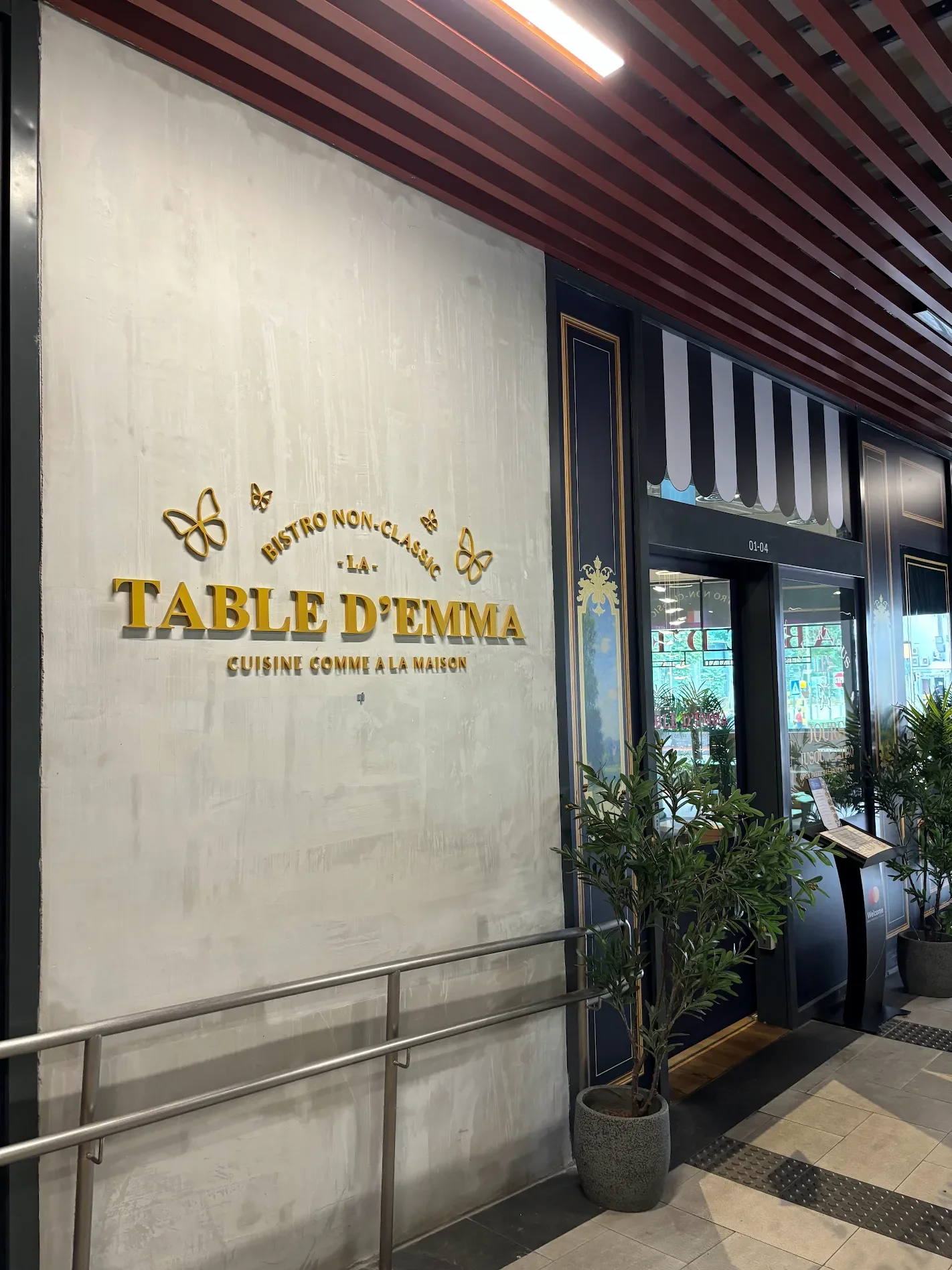
La Table d’Emma does. The Club Street bistro is built around chef-owner Michael Muller’s connection to the region, combining Alsatian dishes with the wider French classics that Singapore diners already know well. That means flammekueche can appear beside French onion soup, lobster ravioli, coq au vin, beef bourguignon and mille-feuille without the restaurant feeling as though it needs to choose between regional cooking and the broader French repertoire.
The result is a French restaurant that feels personal rather than encyclopaedic. La Table d’Emma is not trying to represent every corner of France. It is primarily a bistro shaped by Muller’s own history, family and idea of hospitality.
An Alsatian Restaurant Named After Family
La Table d’Emma opened on Club Street in 2024 and is named after Muller’s wife, Emma. The restaurant describes itself as a rustic French bistro with Alsatian roots, while the name also plays on the French idea of la table d’amis — the friends’ table. The intention is straightforward: serious cooking in a restaurant where people are still supposed to relax, talk and share a meal.
That philosophy distinguishes it from some of the more formal restaurants found across The Cuisine Journal’s collection of Singapore venues. La Table d’Emma has a large dining room and a polished kitchen, but its personality is closer to the neighbourhood bistro than the tasting-menu restaurant.
Muller brings considerably more formal experience than the casual atmosphere might suggest. Before opening his own restaurant, he worked at Le Jules Verne in Paris and later became Executive Chef of JAAN in Singapore. His career subsequently moved through senior culinary positions at Fairmont, Resorts World and Meta before La Table d’Emma gave him a restaurant built directly around his own cooking.
Alsace Gives the Menu Its Point of Difference
Alsace sits in northeastern France beside Germany, and its food reflects centuries of movement between French and Germanic culinary traditions. The cooking tends to be hearty and practical, with pork, pastry, potatoes, onions, fermented cabbage, wine and cream appearing frequently across the regional repertoire.
The most recognisable Alsatian dish at La Table d’Emma is flammekueche, or tarte flambée. At first glance it resembles an extremely thin pizza, but the comparison only goes so far. Traditional versions use a thin bread base with cream, onion and bacon or lardons, producing something crisp, savoury and light enough to share before a larger meal.
Recent diners repeatedly identify the restaurant’s tarte flambée as one of the best ways to begin dinner, with mushroom and other variations appearing alongside the more traditional style. One diner compared it to a very thin-crust pizza, while others simply list it among their favourite dishes.
The dish helps communicate what La Table d’Emma does particularly well. It introduces diners to something regional without making the meal feel obscure or overly academic.
French Onion Soup Done as a Bistro Staple
French onion soup is considerably more familiar, and that familiarity makes it difficult to hide mediocre execution.
The onions need time to caramelise properly. The broth needs depth without excessive salt. Bread and melted cheese must provide richness without making the bowl unbearably heavy. La Table d’Emma’s version appears consistently in recent diner feedback, with several guests describing it as one of the restaurant’s strongest dishes.
One reviewer called it among the better French onion soups they had tried locally, while another said its balance of sweetness and savouriness reminded them of versions eaten in Paris.
That sort of dish suits the restaurant because it does not need reinvention. La Table d’Emma is at its strongest when Muller takes something recognisable and concentrates on making it properly.
Pot-au-Feu, Beef Bourguignon and the Comfort Side of French Cooking
The restaurant’s identity becomes even clearer in its braised and simmered dishes.
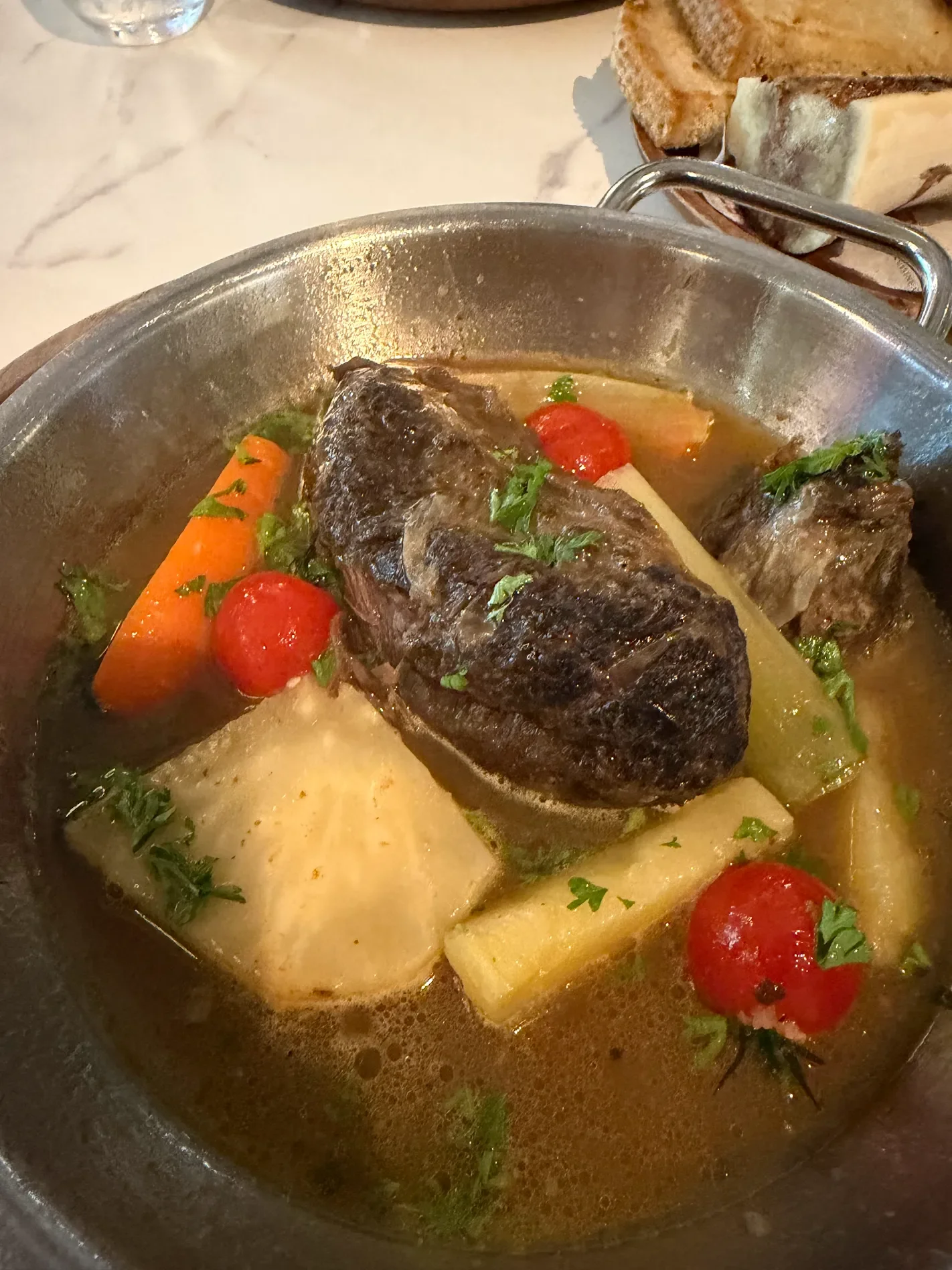
Beef bourguignon receives particularly strong feedback, with diners praising tender beef and deeply developed sauces. Pot-au-feu takes the same comfort-food philosophy in a different direction, simmering beef and vegetables in broth rather than red wine.
These dishes are not visually extravagant. Their appeal comes from time.
Collagen needs to break down. Broths need to extract flavour. Vegetables need to soften without disappearing completely. The final plate can look simpler than the work required to produce it.
A recent diner specifically praised La Table d’Emma’s pot-au-feu with roasted bone marrow, describing very tender beef in a vegetable broth, while another identified the beef bourguignon as the highlight of a three-course lunch.
This puts La Table d’Emma in a different culinary register from restaurants such as Burnt Ends, where Dave Pynt’s cooking is structured around fire and the possibilities of the oven. Muller’s strongest cooking often depends on slower, older techniques: braising, simmering, pastry and sauce work.
Lobster Ravioli Shows the More Refined Side
La Table d’Emma is not purely a rustic restaurant.
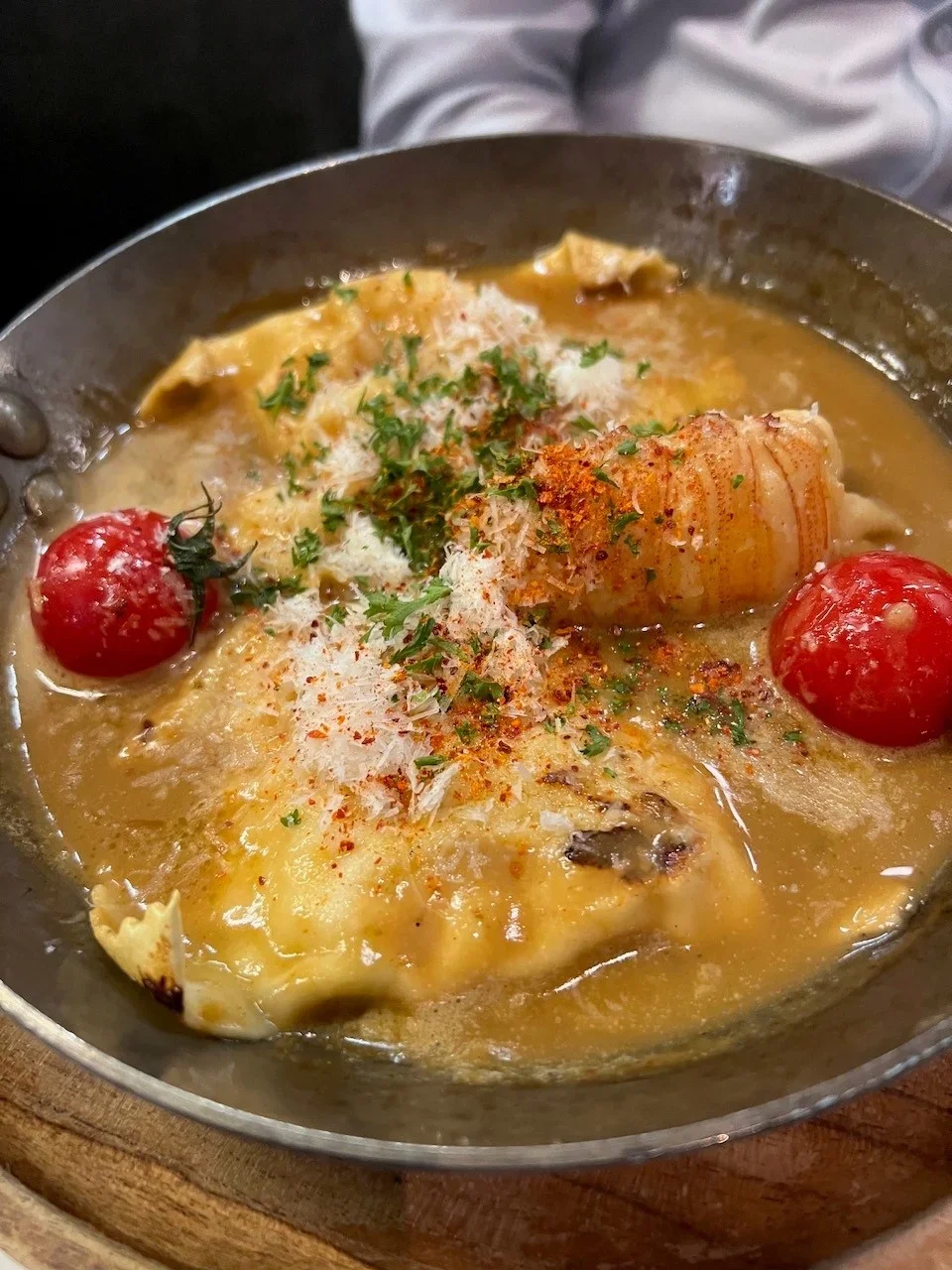
Its lobster and scallop ravioli has become one of the more frequently praised dishes in recent reviews, giving the kitchen an opportunity to move away from stews and roasts towards something more delicate.
Diners particularly mention the amount of lobster, the sweetness of the filling and sauces that provide richness without overwhelming the seafood. One repeat guest described the lobster ravioli as a standout precisely because the sauce remained balanced rather than turning the dish into the kind of heavy French food she had expected.
That balance is important because French cuisine is still frequently caricatured as butter, cream and heavy sauces. La Table d’Emma certainly uses those techniques, but its better dishes show that richness can be controlled rather than simply accumulated.
Puff Pastry, Poultry and the Older French Repertoire
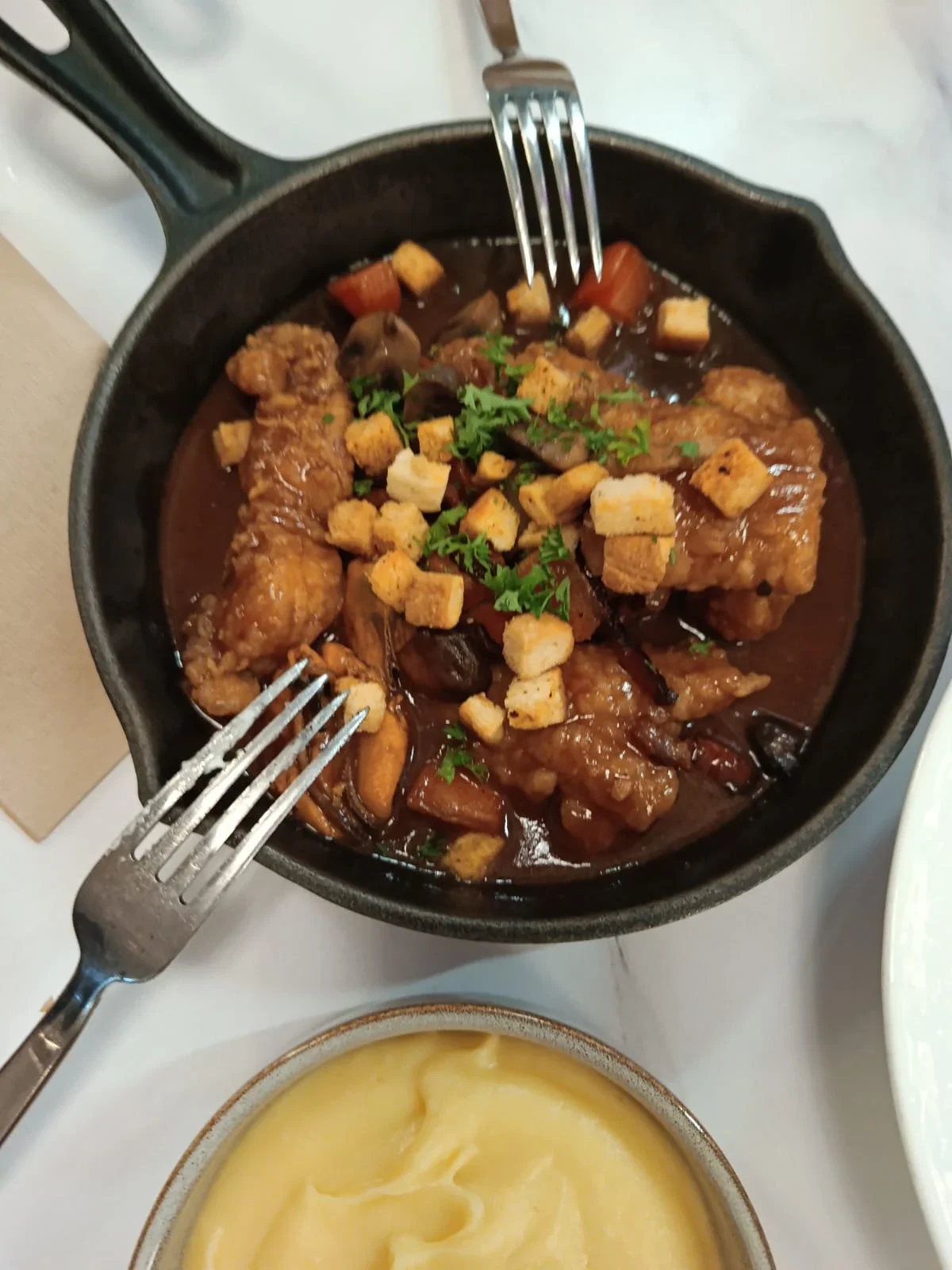
Another dish that fits Muller’s style is bouchées à la reine, a traditional puff-pastry preparation filled with meat, mushrooms and a creamy sauce.
At La Table d’Emma, the dish appears as Les Bouchées à la Reine d’Emma, using chicken and veal with mushrooms and white wine sauce. It is exactly the kind of food that once occupied a much larger place in classical French restaurants but is now relatively uncommon in Singapore.
Reactions are generally positive, though not universal. One diner enjoyed the sauce but found the pastry dish slightly heavy and the meat dense. Another praised it alongside pot-au-feu as one of the restaurant’s more memorable traditional offerings.
That difference in opinion is useful. Classical French comfort food is supposed to be rich, but there is a narrow line between richness and heaviness. Individual tolerance for that style of cooking will inevitably differ.
Duck Confit and the Familiar French Bistro Test
Duck confit provides another useful benchmark.
The dish is familiar enough that many diners already have expectations about crisp skin, tender meat and seasoning. Recent feedback at La Table d’Emma describes a version that is crisp outside and juicy within, although at least one diner found it slightly salty.
This is consistent with a broader pattern in the restaurant’s reviews: the fundamentals of the cooking attract strong praise, but individual seasoning or specific dishes do occasionally divide diners. The same is true of a cod-and-mussels preparation that one guest considered the main miss in an otherwise excellent meal.
Those criticisms are worth retaining because they make the wider pattern more useful. La Table d’Emma does not need every plate to be described as flawless for the restaurant’s strengths to remain clear.
Dessert Keeps Things Classical
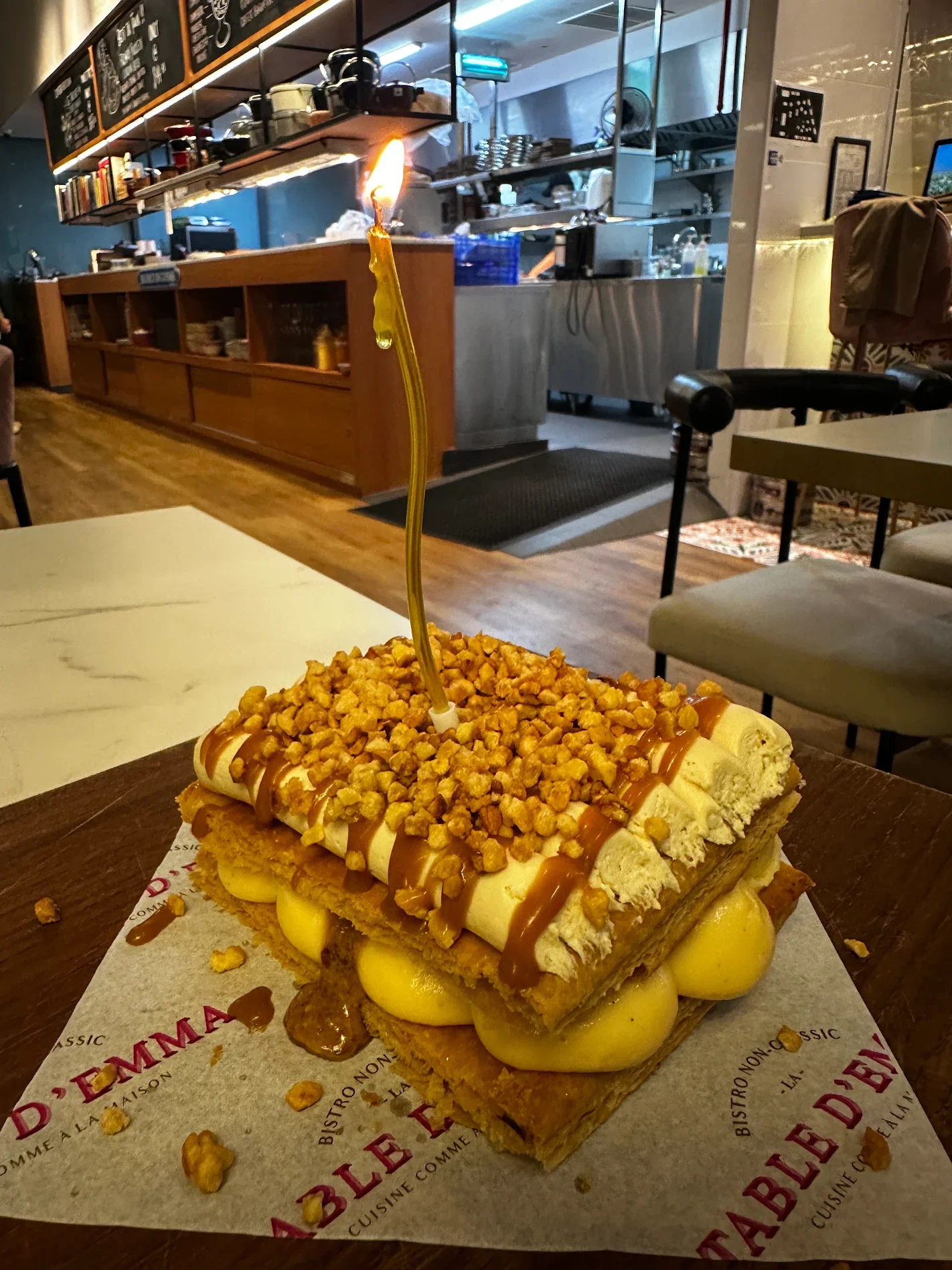
Mille-feuille appears frequently among diner favourites, particularly a vanilla and hazelnut praline version.
It suits the restaurant well. Mille-feuille is recognisably French, technically demanding and familiar enough that diners can judge it without lengthy explanation. Crisp pastry has to remain crisp against cream, and sweetness needs enough restraint that the final course does not become exhausting after a rich dinner.
Other desserts change with the menu, but the mille-feuille has become one of the restaurant’s recurring signatures. Birthday diners also frequently mention complimentary desserts or small celebratory touches from the team, reinforcing the restaurant’s family-oriented hospitality rather than treating dessert solely as the final technical display.
Hospitality Is One of La Table d’Emma’s Strongest Features
The most consistent theme outside the food is warmth.
Recent reviews repeatedly mention staff by name, describe attentive service and note Muller speaking directly with diners. Guests celebrating birthdays and anniversaries often describe small touches from the team, while families report feeling equally comfortable in the dining room.
That matters because the restaurant’s entire identity is supposedly built around the idea of the friends’ table. If service were excessively formal, the concept would not work.
Muller’s personal presence reinforces that atmosphere. Several diners mention seeing him in the dining room, asking for feedback or speaking to guests. The interaction makes La Table d’Emma feel more like a chef-owned independent restaurant than a highly systematised hospitality operation.
The restaurant’s current story and menus can be found through the official La Table d’Emma website, while a Straits Times feature on Chef Michael Muller and the restaurant provides additional context on how he has refined the menu around the dishes he most wants to cook.
Traditional French Food Without the Formality
La Table d’Emma joins a broader group of Singapore restaurants proving that European cooking does not have to arrive with an overly formal dining experience.
Bottega di Carna approaches Italian cooking through a contemporary Singapore restaurant setting, while La Table d’Emma takes the opposite visual route: warm bistro cooking, familiar dishes and a strong sense of the chef standing behind the food.
What makes the restaurant particularly distinctive, however, is Alsace.
Singapore diners can find onion soup, steak and duck confit at numerous French restaurants. Flammekueche, pot-au-feu and Muller's personal connection to Alsatian cooking give La Table d’Emma a more specific reason to exist.
La Table d’Emma at a Glance
Restaurant: La Table d’Emma
Chef-owner: Michael Muller
Cuisine: French bistro cooking with Alsatian roots
Address: 8 Club Street, #01-04, Singapore 069472
Known for: Flammekueche, French onion soup, pot-au-feu, beef bourguignon, lobster ravioli, bouchées à la reine and mille-feuille
Best suited to: Family meals, date nights, birthdays, anniversaries and relaxed French dining
La Table d’Emma does not need to make traditional French food look radical. Its stronger argument is that many of these dishes are worth preserving because they are still enjoyable when somebody cooks them with care.
Muller brings the technical background of a chef who has worked in far more formal kitchens, but the restaurant he eventually created is deliberately warmer and more personal. Alsatian food provides its regional identity, French classics make the menu approachable, and the interaction between chef, team and diner gives it the feeling of an independent restaurant rather than a concept assembled by committee.
That makes the name particularly appropriate.
La Table d’Emma is ultimately less about presenting French cuisine from a distance than putting it on the table and asking people to stay for dinner.