Meta’s name is short for metamorphosis, and the idea of change is unusually appropriate for Chef Sun Kim’s restaurant.
The restaurant began with a broader contemporary Asian identity, but over time Kim’s cooking became increasingly personal. Korean flavours moved from influence to foundation, while the techniques he accumulated through kitchens in Seoul, Sydney and Singapore became tools for expressing that heritage rather than disguising it.
Today, Meta at Mohamed Sultan Road is best understood as contemporary Korean fine dining: seafood-led, technically precise and recognisably shaped by Kim’s memories of Korean food. It currently holds two Michelin stars, placing it among Singapore’s most highly regarded restaurants, but the more interesting story is how it arrived at a culinary identity distinct enough to justify them.
Among The Cuisine Journal’s collection of Singapore venues, Meta represents the kind of restaurant that becomes more specific as it matures rather than more international.
Sun Kim and the Evolution of Meta
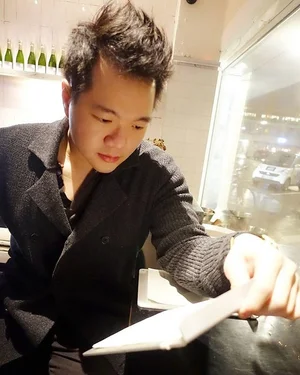
Sun Kim was born in Busan and raised in Seoul, where his earliest exposure to professional cooking came through his mother’s gamjatang restaurant. He later moved to Australia and trained under Tetsuya Wakuda at Tetsuya’s before following that connection to Singapore, where he worked at Waku Ghin.
Those kitchens gave Kim a highly technical foundation, but Meta gradually became less about demonstrating technique and more about deciding what technique should be used for.
The official Meta story describes the restaurant as contemporary Korean cooking shaped by Kim’s heritage and international experience. That distinction matters. Meta is not simply placing Korean ingredients into European fine-dining formats. The flavour references increasingly begin with Korea, while French, Japanese and modern restaurant techniques provide the means to refine them.
Kim himself has described Meta’s earlier cooking as more Japanese and European influenced before a gradual move towards food that felt closer to home. That evolution explains why present-day dishes can feel polished and contemporary while still recalling steamed egg, Korean barbecue, seaweed, fermented sauces, rice and traditional snacks.
The Move to Mohamed Sultan Road
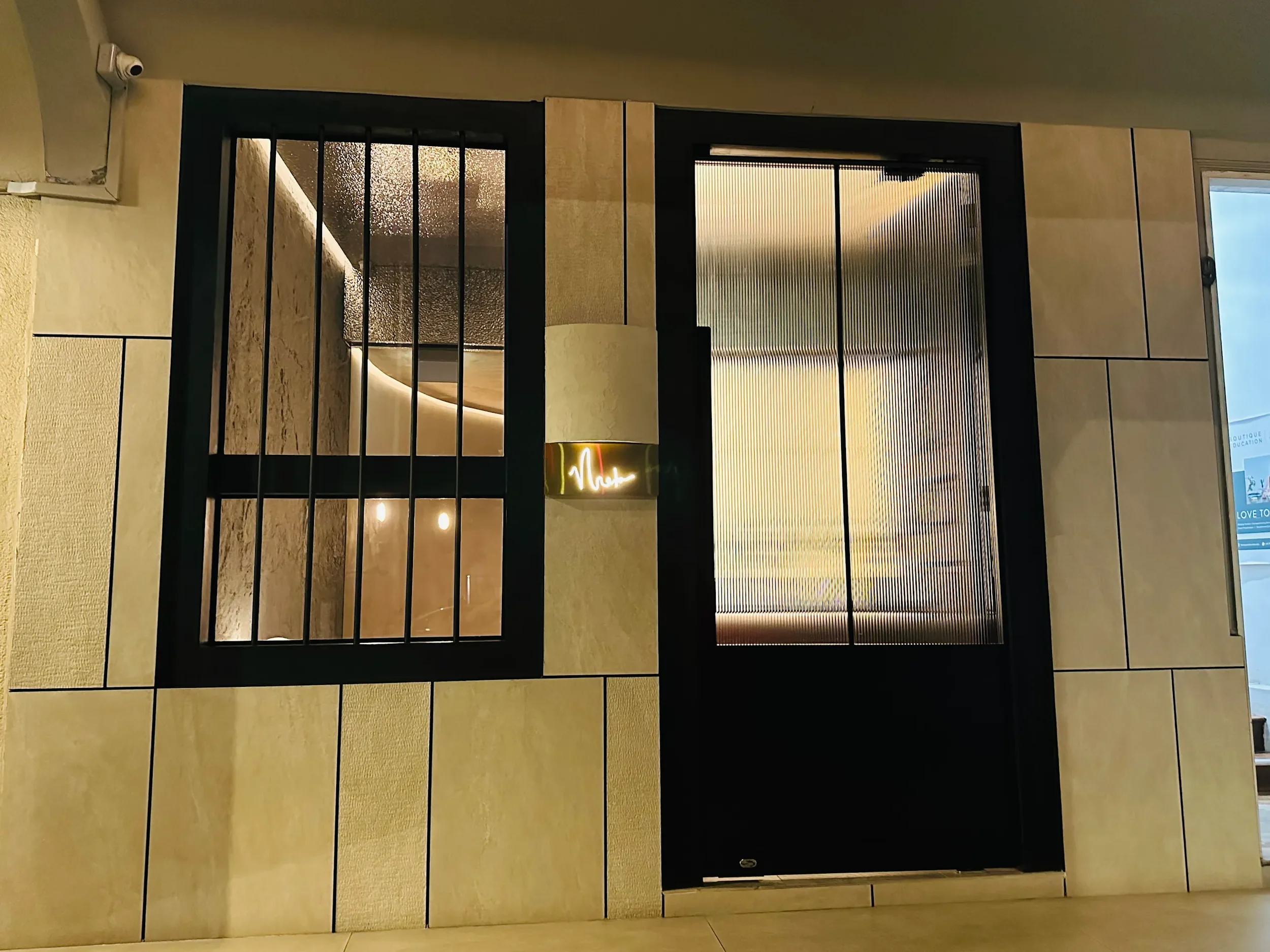
Meta originally operated on Keong Saik Road before moving into its current space at 9 Mohamed Sultan Road.
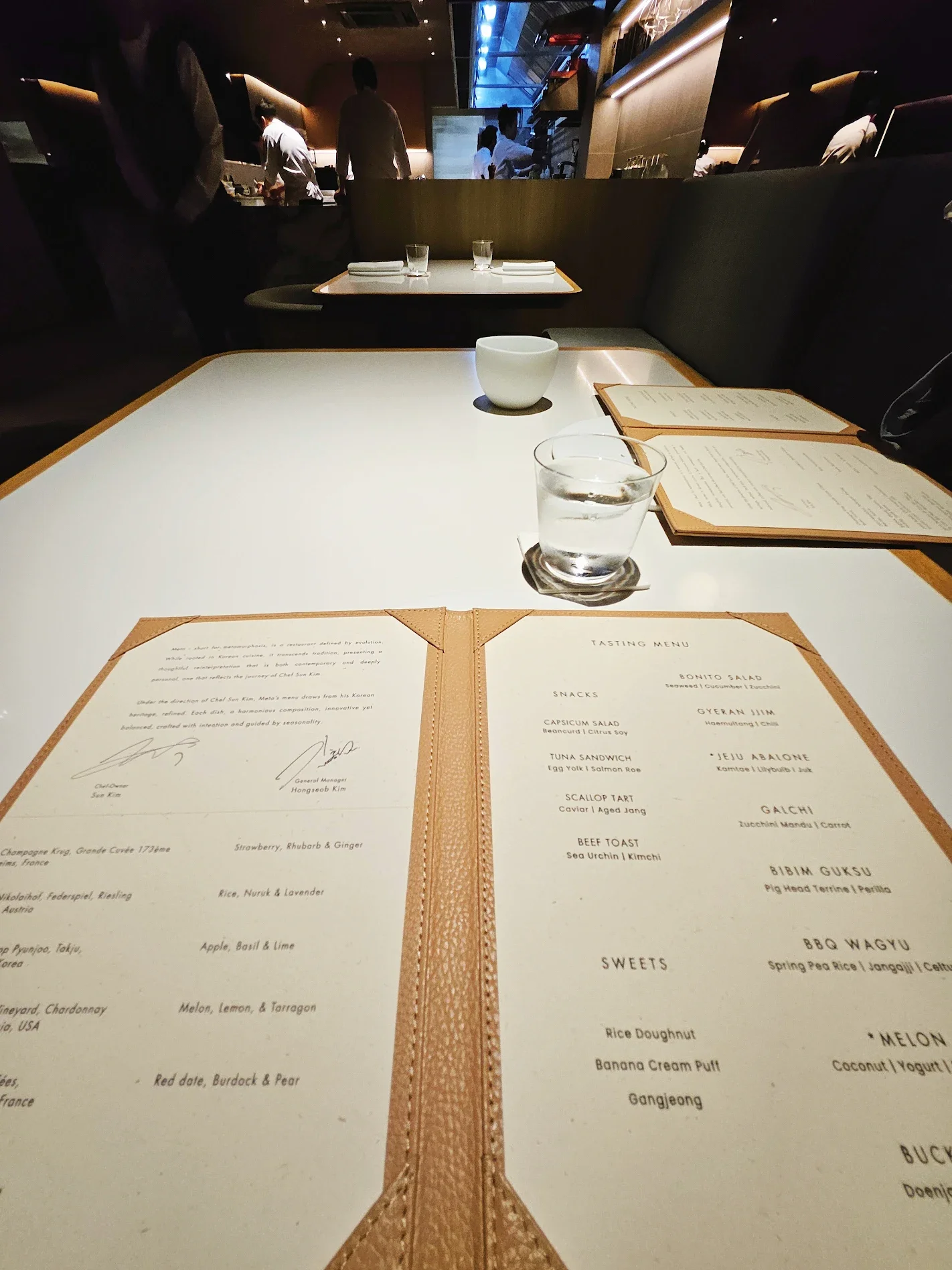
The newer restaurant is minimalist and comparatively restrained, with the room designed to place attention on the food rather than compete with it. Diners repeatedly describe it as quiet, clean and intimate, while the open kitchen brings some of the cooking closer to the dining room.
That understated design suits Kim’s current style. Plates are generally precise without becoming visually excessive, and the restaurant’s atmosphere is closer to controlled calm than theatrical luxury.
This separates Meta from restaurants where the dining room itself becomes part of the spectacle. The restaurant instead resembles the quieter concentration found at places such as Sushi Sakuta, where precision and the relationship between diner and kitchen are central to the experience.
The cuisines are very different, but both depend on a diner paying attention to relatively small changes in temperature, seasoning and texture.
Jeju Abalone Has Become One of Meta’s Clearest Signatures
If one dish repeatedly emerges from recent diner feedback, it is Jeju abalone.
Abalone can be difficult to make compelling. It is expensive and prestigious, but the ingredient can also become tough or texturally monotonous if handled poorly. Meta pairs it with Korean ingredients while paying particular attention to the contrast between the mollusc, rice and surrounding components.
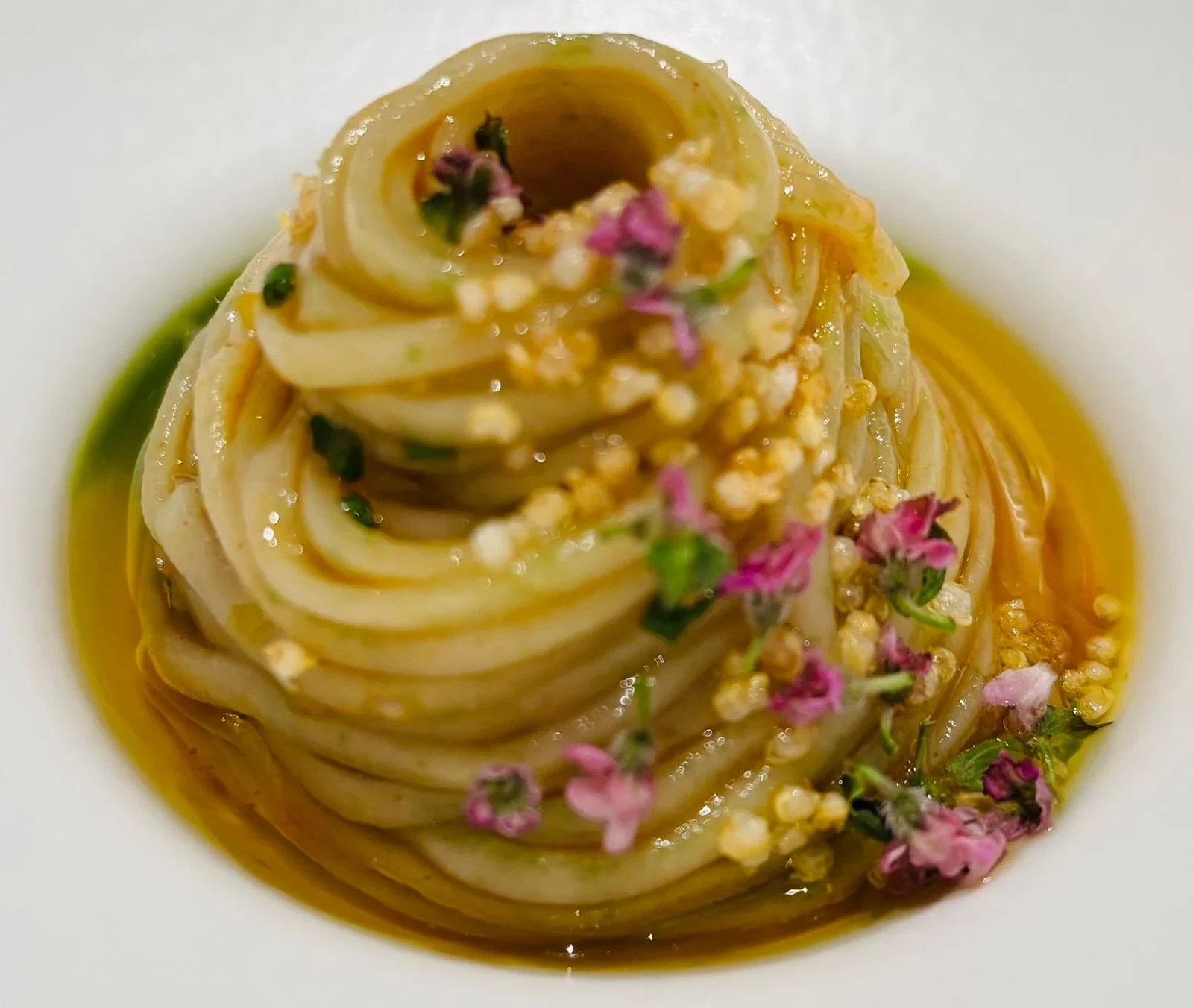
The Michelin Guide highlights a version combining steamed Jeju abalone with gochujang seaweed risotto and lily bulbs, using softness, creaminess and crunch within the same plate.
Diners similarly describe the abalone as one of the strongest courses in the menu. One recent guest called it the favourite dish of the evening and a genuine Meta signature, while another praised the way the textures complemented rather than fought with each other.
The dish illustrates Meta’s current identity particularly well. The ingredient carries luxury, but the flavour references bring the plate back towards Korea.
Korean Flavours Without Turning the Meal Into a Catalogue
Meta does not try to reproduce an entire Korean meal inside a fine-dining restaurant.
Instead, familiar flavours and ideas appear in altered forms.
Gyeran jjim, the Korean steamed egg dish, is one example. Traditional versions are comforting and relatively simple, built around the softness of steamed egg. At Meta, that familiar idea can become the foundation for a much more elaborate course while retaining the texture and warmth that make the original appealing.
Fermented soybean pastes, seaweed, Korean rice wines and barbecue flavours appear elsewhere, but the restaurant generally avoids simply presenting recognisable dishes in miniature.
That restraint is important. Contemporary interpretations of traditional food can become gimmicky when every course depends on diners recognising a reference. Meta works better when the Korean identity emerges naturally through seasoning, ingredients and structure.
Seafood Leads Much of the Menu
Recent menus and diner reviews suggest that Meta remains strongly seafood-forward.
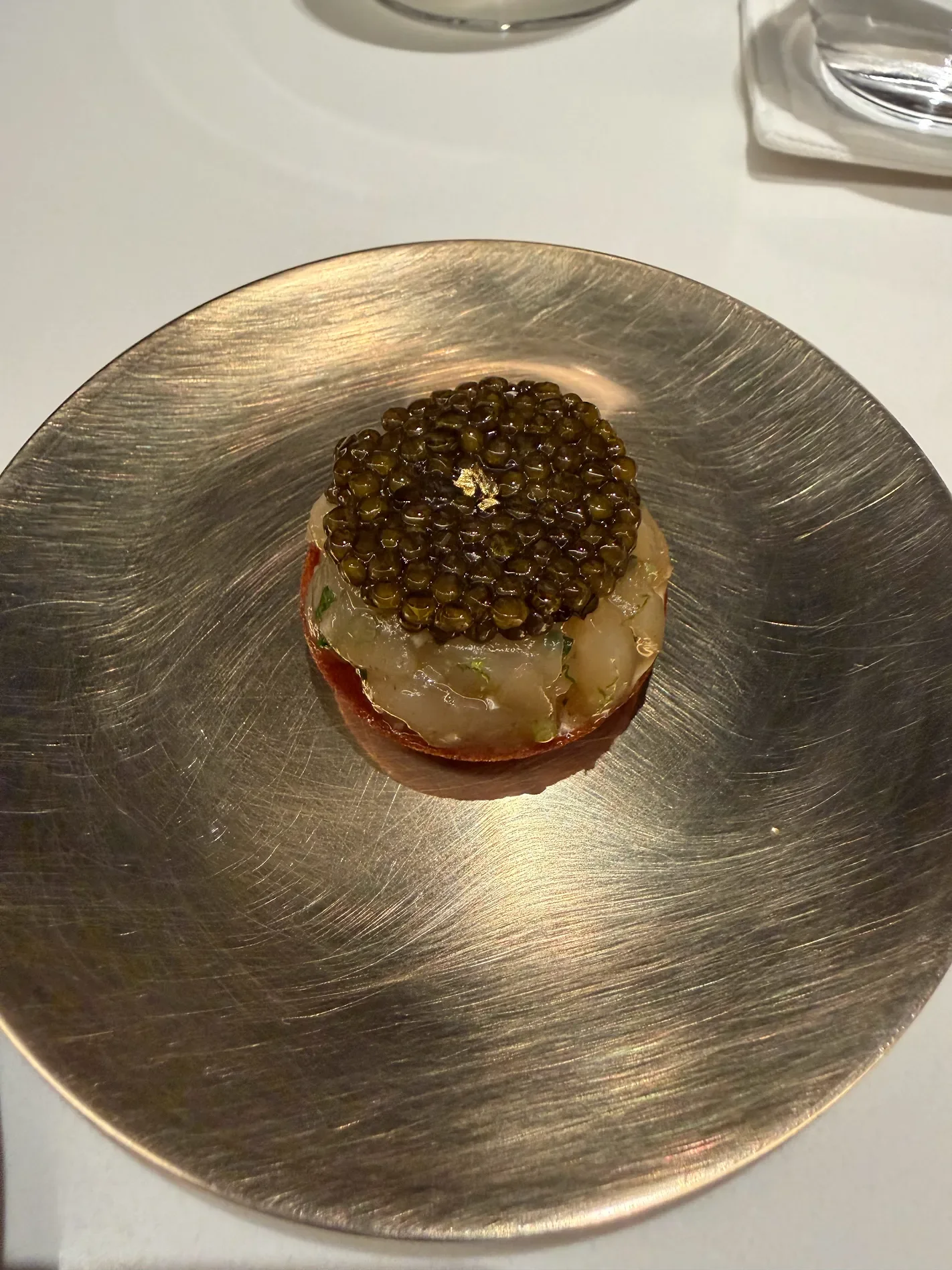
Abalone receives the most attention, but king crab, scallops, fish, roe and other marine ingredients appear throughout the tasting menu. The combination makes sense within Korean cuisine, where seafood, fermented seafood and coastal ingredients occupy an important place, but Kim’s handling of them also reflects his years working in Japanese-influenced kitchens.
This is where Meta’s international training becomes particularly useful. The restaurant does not need to choose between Korean flavour and Japanese precision because the two can coexist within the same chef’s experience.
Some diners especially appreciate this balance, describing the food as refined without becoming unnecessarily showy. Others find particular seafood preparations less convincing, including criticisms of overcooked shirako and fish whose texture did not meet expectations.
Those misses are worth noting because a long tasting menu creates many opportunities for small errors to become noticeable. When a restaurant operates at this level and price, technical consistency becomes part of what diners believe they are paying for.
Barbecue Wagyu Brings the Menu Back to Rice
Meta’s Wagyu course provides a heavier counterpoint to the seafood.
Diners frequently mention BBQ Wagyu alongside rice preparations, including seasonal vegetables such as peas, bamboo shoots or corn. One guest described the combination simply: as an Asian diner, good meat with rice “just feels right.”
That reaction reveals something useful about Meta.
Fine dining sometimes strips food away from the habits that originally made it comforting. A piece of expensive Wagyu can be surrounded by elaborate sauces and garnishes while losing the simple pleasure of eating meat with rice.
Meta does not necessarily reject refinement, but it occasionally allows that basic relationship to remain intact.
Several diners who were less enthusiastic about individual courses still singled out the rice beneath the Wagyu as particularly memorable.
That is a strong indication that Kim’s cooking becomes most persuasive when sophistication reinforces familiarity rather than replacing it.
Sauces Are Quietly Central to the Restaurant
One recurring observation in diner feedback concerns sauces.
Guests describe them as carefully constructed and capable of tying individual components together rather than merely decorating the plate. In a tasting menu where seafood, fermented ingredients and richer meat courses appear in succession, sauces also help manage the transitions between courses.
This is one area where Kim’s broader training becomes visible.
Classical French kitchens place enormous importance on sauces, while Korean cooking has its own deep tradition of fermented condiments, jang and seasoning bases. Meta can draw on both without needing to announce which tradition is being used at any particular moment.
The result is cooking that can taste recognisably Korean without requiring every plate to resemble a traditional Korean dish.
That broader freedom is also visible at chef-driven restaurants such as Burnt Ends, where technique and a strong individual culinary language matter more than fitting comfortably into a single national category.
Desserts Continue the Korean References
Meta’s Korean identity does not disappear when the savoury courses end.
Recent diners mention rice doughnuts, sweet potato ice cream and petit fours that evoke familiar Korean snacks while remaining within the visual language of a contemporary fine-dining restaurant.
One guest particularly enjoyed a rice doughnut because it reminded them of traditional Korean sweets. Another identified sweet potato ice cream as the favourite dessert of the meal.
These desserts work because the references are emotionally understandable even when the presentation is refined. Rice and sweet potato do not need to become luxurious ingredients before they can become memorable ones.
That is increasingly true across Meta’s menu.
The restaurant’s prestige comes from what the kitchen does with ingredients rather than simply from how expensive those ingredients are.
Service, Pacing and the Price of the Experience
Service receives strong praise in many reviews, particularly for attentiveness and the restaurant’s willingness to accommodate dietary requirements. Diners also appreciate that the pacing can sometimes be adjusted rather than requiring every tasting menu to stretch automatically towards three or four hours.
There are more critical experiences as well.
Some diners describe service as less personal than expected, while another felt neighbouring tables received more attention. Presentation inconsistencies and the difficulty of understanding some course explanations have also been mentioned.
Price is the larger dividing line.
Meta is an expensive restaurant, and diners who enjoy the food do not always agree that the experience represents good value. For some, the precision, ingredients and distinctive Korean identity justify the cost. For others, the price raises expectations that every dish and service interaction should be nearly flawless.
That is an unavoidable tension for restaurants at this level.
Two Michelin Stars, but a More Personal Measure of Success
Meta remains a two-Michelin-starred restaurant in the 2026 Singapore selection.
The recognition matters, particularly because the restaurant earned its second star after years of gradual development rather than arriving immediately as a fully formed concept. Yet Meta’s more interesting achievement may be that its food now appears considerably easier to identify as Sun Kim’s.
That is not always guaranteed in contemporary fine dining.
Technical excellence can make restaurants converge towards the same ingredients, the same plating language and the same expensive products. Kim has moved in the opposite direction, allowing his Korean heritage to become more visible as the restaurant has matured.
Meta Restaurant at a Glance
Restaurant: Meta
Chef-owner: Sun Kim
Cuisine: Contemporary Korean fine dining
Address: 9 Mohamed Sultan Road, Singapore 238959
Michelin: Two stars in the 2026 Singapore selection
Known for: Jeju abalone, seafood-led tasting menus, Korean fermented flavours, BBQ Wagyu with rice and Korean-influenced desserts
Best suited to: Special occasions, tasting-menu dining and diners interested in modern interpretations of Korean cuisine
The current Michelin listing describes Meta as a restaurant combining Korean traditions and bold flavours with restrained modern presentation, with seafood and vegetables playing particularly important roles. Meta in the Michelin Guide Singapore
Meta’s evolution ultimately makes its name feel less like branding and more like an accurate description of the restaurant.
Sun Kim did not begin with a perfectly defined version of contemporary Korean fine dining. He arrived there gradually, allowing Korean flavours to occupy more space as his confidence grew. The techniques learned elsewhere remained useful, but they stopped determining the restaurant’s identity.
Meta became more distinctive by becoming more personal.