Fleur de Sel is a relatively small restaurant, and that intimacy shapes almost everything about it.
At 64 Tras Street, Chef Alexandre Lozachmeur cooks modern French food from an open kitchen only a short distance from the dining room. Set menus rather than a sprawling à la carte selection define the experience, the chef regularly interacts with guests, and wine and cheese remain meaningful parts of the meal rather than decorative additions.
Within The Cuisine Journal’s collection of Singapore venues, Fleur de Sel represents a quieter form of French fine dining. It does not rely on a dramatic skyline, monumental dining room or elaborate restaurant theatre. The experience is built around the relationship between kitchen, dining room and guest.
Alexandre Lozachmeur and a Classical French Foundation
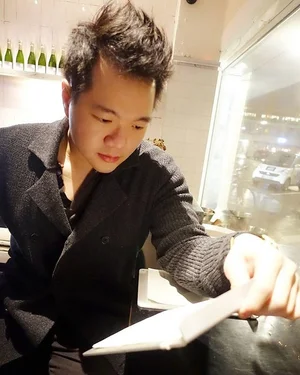
Chef-owner Alexandre Lozachmeur was born in Massy near Paris and raised in the south of France. Before arriving in Singapore in 2006, he spent six years working within Alain Ducasse’s restaurant group, including Spoon restaurants and the three-Michelin-starred Alain Ducasse au Plaza Athénée in Paris.
His Singapore career subsequently took him through At-Sunrice Cooking School, Dolce Vita at Mandarin Oriental, Harbour Grill at Hilton, Au Petit Salut and Brasserie Les Saveurs at The St. Regis before he opened Fleur de Sel.
The official Fleur de Sel website describes Lozachmeur’s philosophy in relatively straightforward terms: respect the ingredient, use good seasonal produce and prepare food with care rather than allowing technique to become the entire point of the dish.
That background is visible in the restaurant. Fleur de Sel is contemporary enough to avoid feeling like an old-fashioned French dining room, but the foundations remain recognisably classical: sauces, pastry, seafood, carefully cooked meat, cheese and structured multi-course menus.
The Open Kitchen Changes the Relationship With the Chef
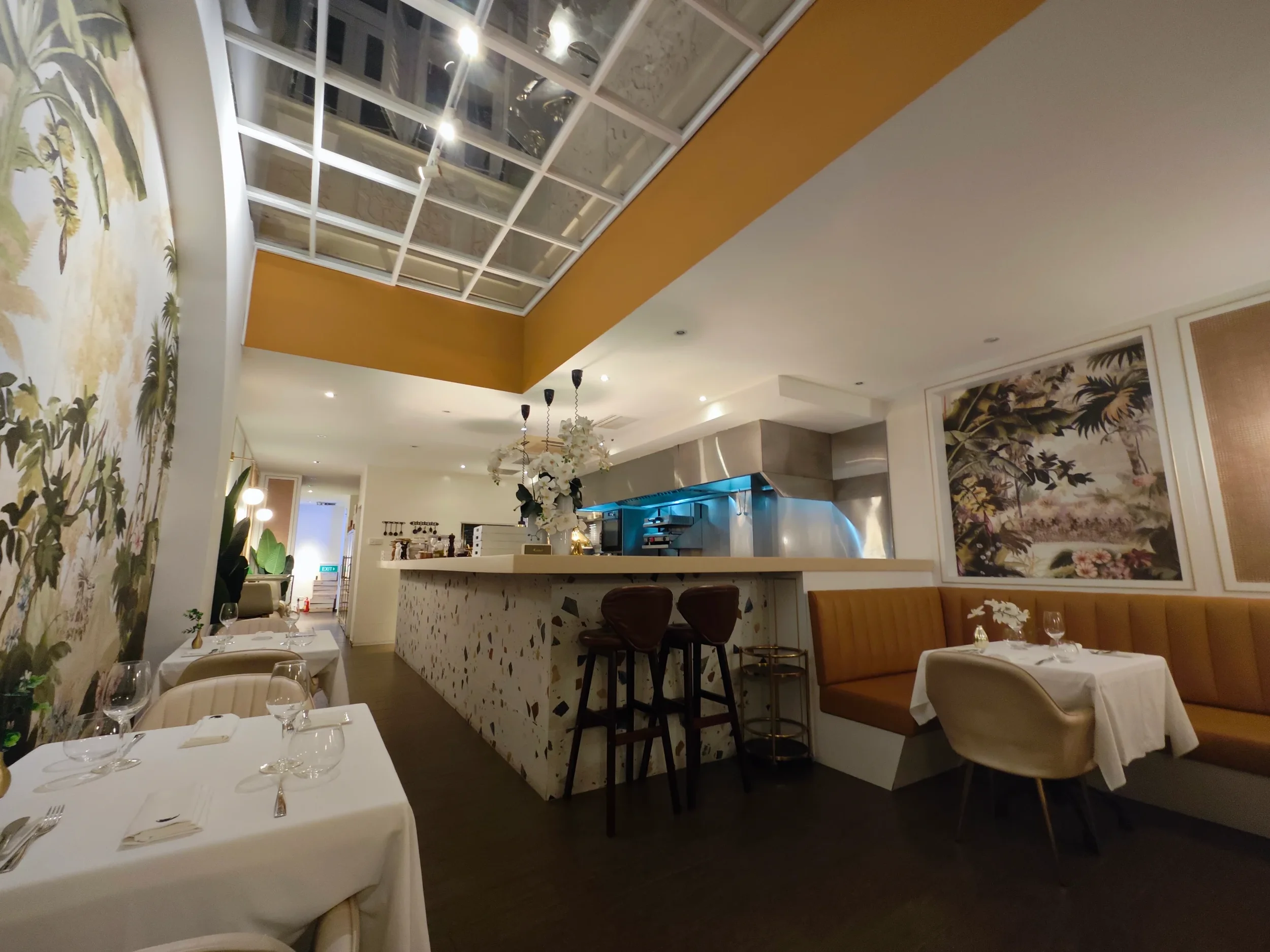
Fleur de Sel’s open kitchen is central to its personality.
Lozachmeur deliberately chose a restaurant format that allows him to cook within sight of diners, and recent guests frequently mention the chef coming out to present dishes or speak with tables.
That is quite different from a large fine-dining restaurant where the chef may remain almost entirely invisible behind the kitchen doors.
It also means the sounds of cooking become part of the room. One diner enjoyed the food but found the open kitchen unusually noticeable during a quiet service, with chopping, pans and blenders disrupting what might otherwise have been a peaceful dinner.
Both reactions are understandable. An open kitchen creates immediacy, but it removes some of the separation between the labour of cooking and the finished dining experience.
At Fleur de Sel, that proximity is intentional.
Set Menus Keep the Kitchen Focused
Fleur de Sel operates primarily through set and dégustation menus rather than asking diners to construct an entire meal dish by dish.
That format suits a small restaurant because it gives the kitchen far greater control over pacing and preparation. Courses can be designed to follow one another rather than competing independently for attention, and ingredients can change with availability without requiring the restaurant to maintain an enormous permanent menu.
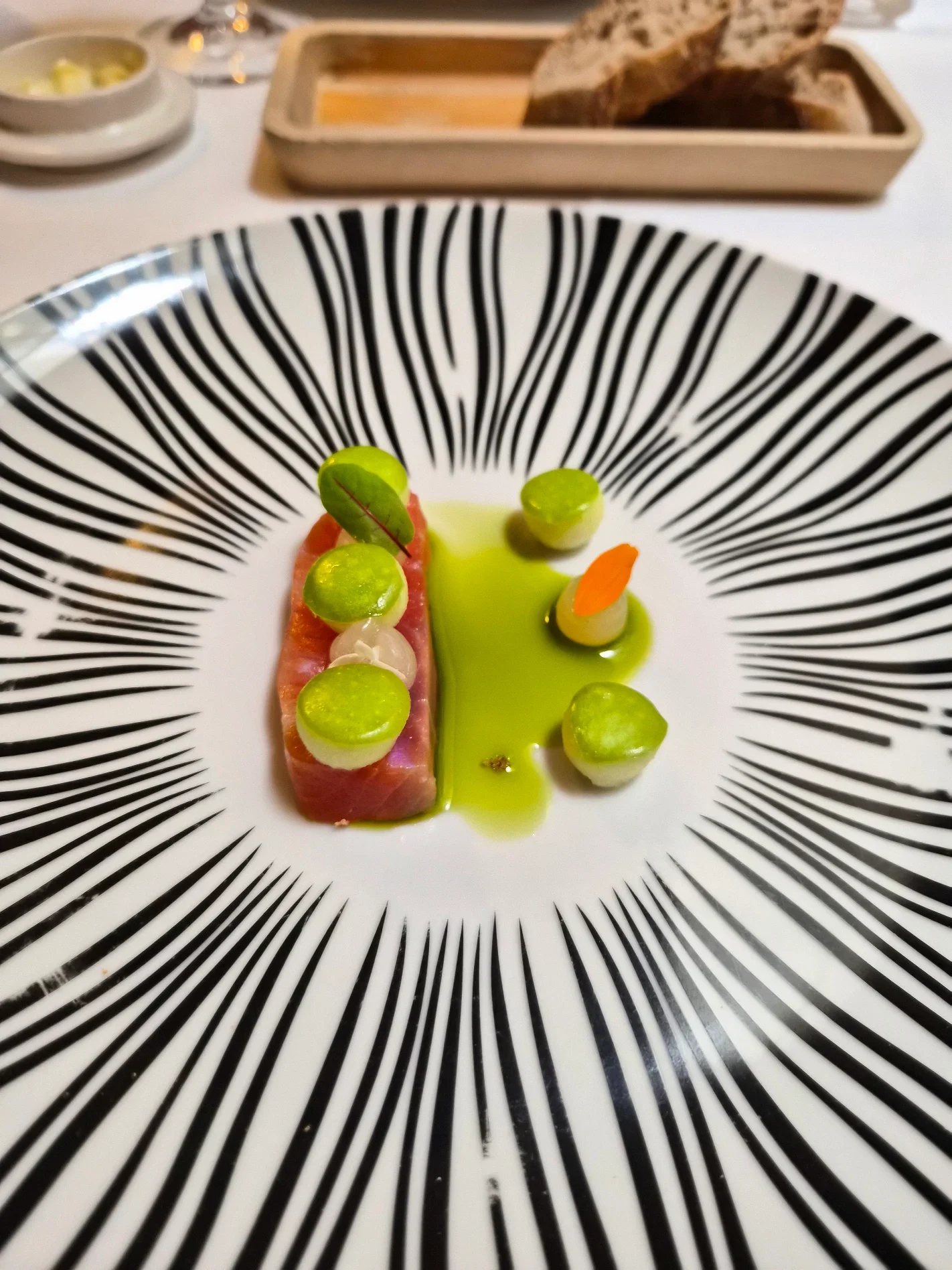
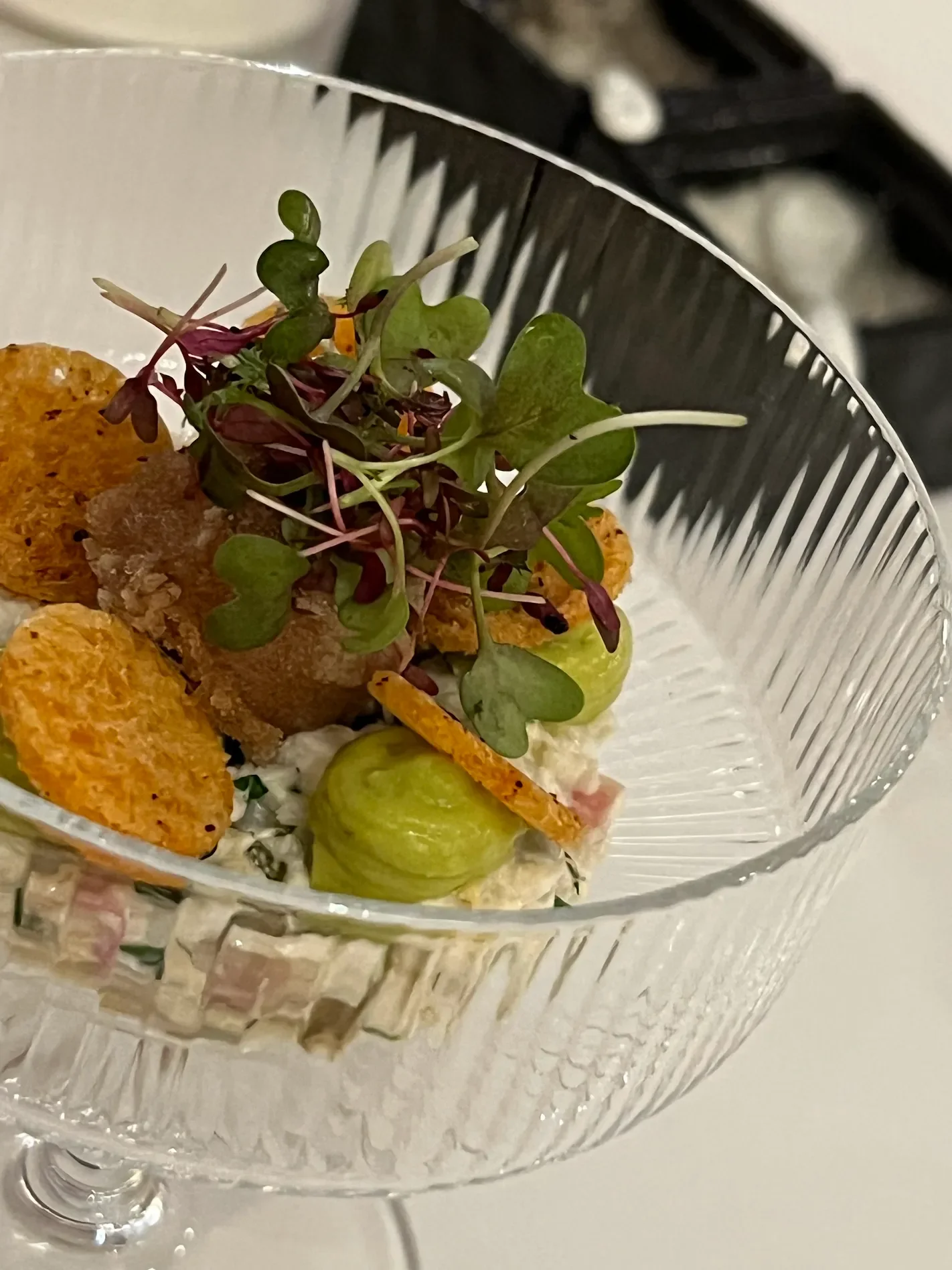
Recent diners describe ravioli, soups, seafood, chicken, beef and desserts appearing across these menus, with several guests particularly praising the progression and presentation.
There is, however, an important restriction: diners at the same table may be required to choose the same menu. Several guests have found this frustrating when one person wanted the shorter menu and another preferred the dégustation, particularly when dietary preferences complicated the decision.
The rule makes operational sense for a small kitchen trying to keep courses synchronised, but it is worth understanding before booking.
Ravioli Shows the More Comforting Side of the Cooking
Ravioli appears particularly strongly in recent feedback.
One diner identified it as one of the clear highlights of a dinner menu, alongside dessert, while others praise the restaurant for balancing refined presentation with food that remains recognisably satisfying rather than excessively conceptual.
That balance matters in modern French dining.
Technique can easily become the subject of the meal rather than the tool used to make it better. Lozachmeur appears more comfortable keeping the underlying dish understandable, then refining texture, sauce and presentation around it.
It is a different philosophy from a restaurant such as Burnt Ends, where Dave Pynt’s custom ovens and fire-based cooking form part of the restaurant’s visible identity. At Fleur de Sel, technique is generally quieter.
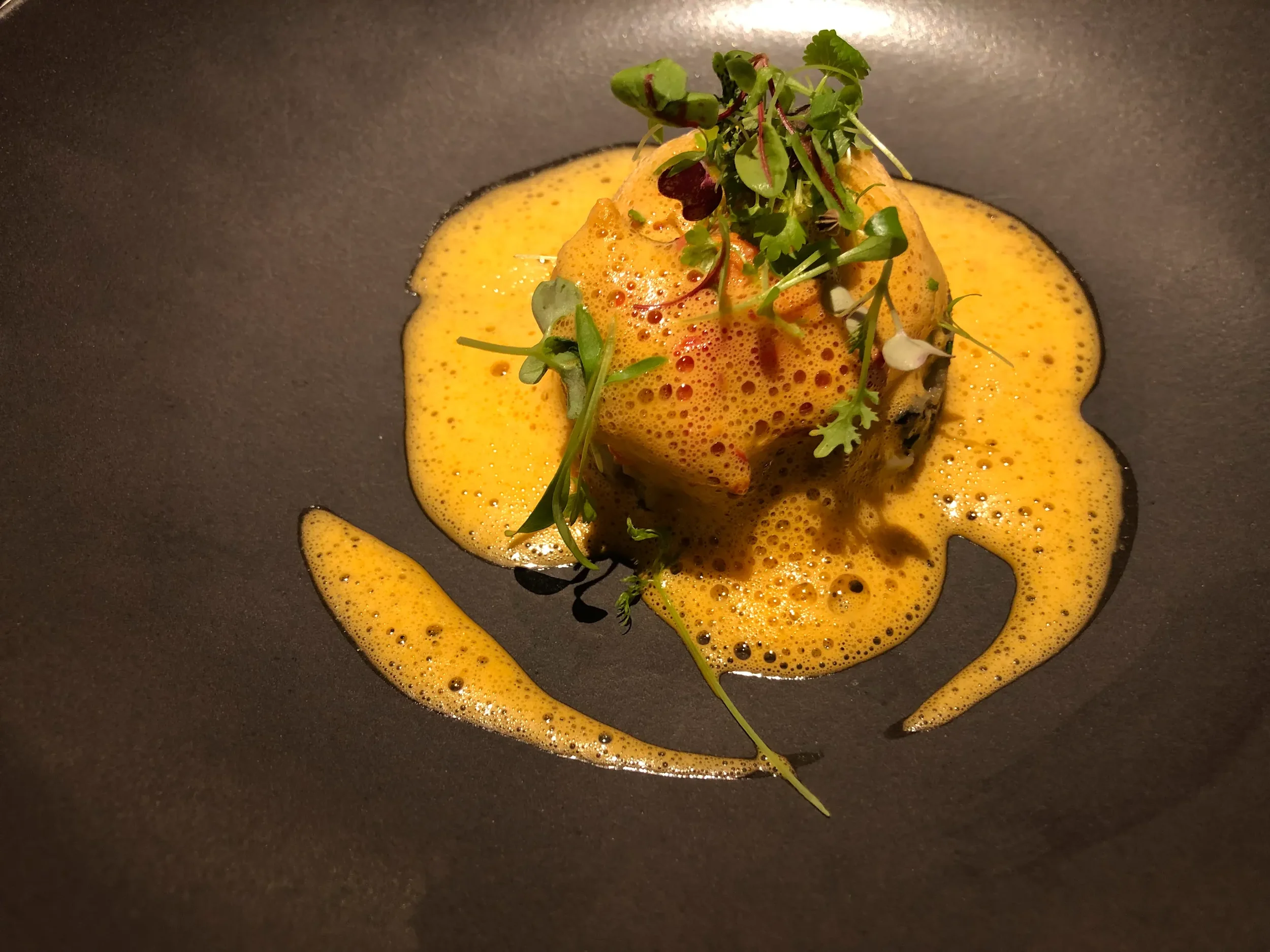
Lobster Bisque Remains a French Dining-Room Classic
Lobster bisque is another dish repeatedly associated with Fleur de Sel.
Recent diners describe versions with substantial richness and, in some cases, caviar, giving the soup a more luxurious treatment while preserving the concentrated shellfish character expected from a proper bisque.
Bisque is a useful measure of a classical French kitchen because it depends on extraction and reduction rather than expensive garnish alone. Shells, aromatics and stock need enough time to produce depth, while cream and seasoning must be controlled so that the final bowl still tastes principally of lobster.
The dish fits naturally into Fleur de Sel’s style: recognisable French cooking polished to a higher level without becoming unrecognisable.
Seafood Plays an Important Role
Seafood appears frequently across the restaurant’s menus and is one of the more consistently praised aspects of the supplied diner feedback.
Guests mention fresh seafood, fish courses and lobster-based preparations, with one birthday table commenting specifically on the quality of the seafood and the restaurant’s attention to ingredients.
The emphasis gives the menu some necessary lightness. Multi-course French meals can become tiring if every course depends on meat, cream and reduction. Fish, shellfish, vegetables and sharper sauces allow the kitchen to control intensity through the progression.
That concern with pacing has something in common with Sushi Sakuta’s omakase format, where the order of individual courses is as important as any single ingredient.
The cuisines are very different, but both depend on understanding how one plate changes the diner’s perception of the next.
The Cheese Trolley Is More Than Decoration
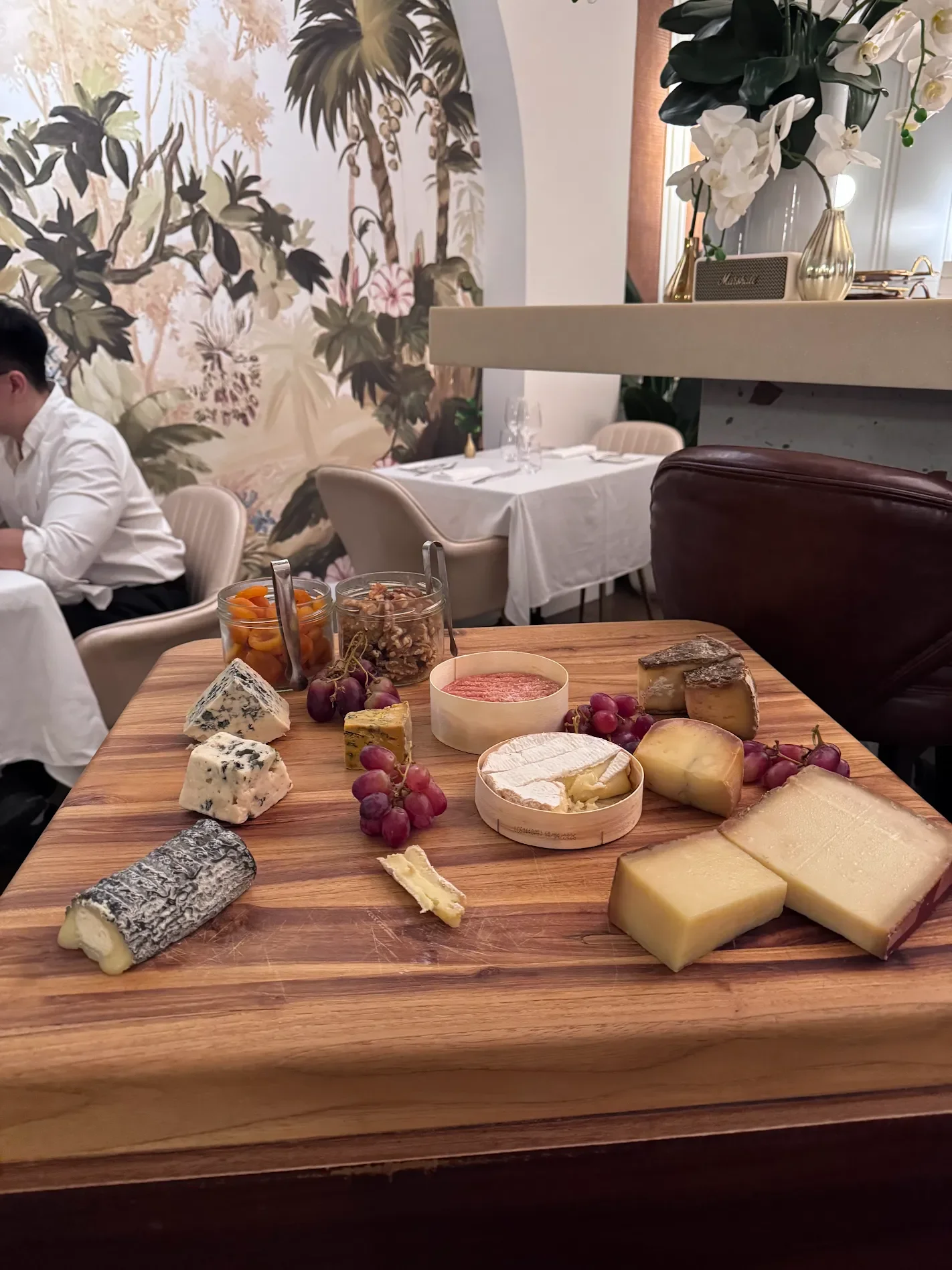
Cheese remains important at Fleur de Sel, and its trolley is one of the more visibly traditional elements in the dining room.
For diners who enjoy French cheese, it provides a bridge between the savoury courses and dessert. But recent feedback also shows that the way the trolley is presented can create confusion.
One guest was disappointed that the table was never offered cheese despite seeing other diners receive it. Another found it awkward that the trolley was brought near the table before it became clear that the cheese course carried an additional charge.
Those are service details rather than criticisms of the cheese itself, but they illustrate how fine dining can be affected by very small communication failures.
When a restaurant carefully choreographs an entire evening, uncertainty over something as simple as whether cheese is included becomes disproportionately noticeable.
Baba au Rhum Provides a Classical Ending
Le Baba with Rum is one of the restaurant’s more recognisable desserts.
Rum baba belongs firmly within the classical French pastry repertoire: a yeasted cake soaked heavily with syrup and alcohol, usually accompanied by cream or fruit. At Fleur de Sel, it provides the kind of traditional finish that fits the rest of the restaurant particularly well.
Recent diners also praise sorbets and other lighter desserts, while some prefer the fruit-driven courses to richer alternatives.
Dessert therefore follows the same pattern as the savoury menu. Fleur de Sel is not attempting to reject traditional French dining. It modernises it selectively.
Wine Pairing Is One of the Restaurant’s Strengths
Wine receives consistently positive feedback.
Several diners specifically praise the pairings, including repeat guests who describe the selections as accurately matched to the progression of dishes and generous in their pours.
That matters because a tasting menu changes the role of wine.
Instead of choosing one bottle that works reasonably well across dinner, a pairing allows acidity, sweetness, body and aroma to shift with individual courses. Cheese can move the programme in another direction again.
Fleur de Sel is also currently recognised by the Michelin Guide for an interesting wine list, reinforcing the importance of the beverage programme to the restaurant’s overall identity.
Service Is Personal Rather Than Ceremonial
The restaurant’s relatively small scale allows service to feel direct.
Lozachmeur frequently appears in diner feedback, while the front-of-house team is generally described as friendly, knowledgeable and willing to accommodate reasonable adjustments. Repeat customers particularly appreciate the fact that the chef remains approachable rather than turning the restaurant into a highly formal experience.
There are occasional disagreements about policies and communication, but the broader pattern remains positive.
This personal style also distinguishes Fleur de Sel from restaurants where the chef’s name is central to the branding but the chef is rarely visible.
Here, the chef is physically close enough to the dining room that the restaurant feels unmistakably owner-operated.
Michelin Selected Rather Than Michelin Starred
Fleur de Sel appears in the Michelin Guide Singapore 2026 as a Michelin Selected restaurant rather than a Michelin-starred one.
That distinction is useful because online diner reviews occasionally compare the restaurant with Michelin-starred establishments, which can create confusion about its current status.
The Michelin Guide listing for Fleur de Sel identifies it as French and highlights the restaurant within the wider Singapore selection.
Awards aside, the restaurant’s strongest appeal is arguably its scale. Fleur de Sel is small enough that the distance between chef and diner never becomes very large, allowing a form of French dining that feels considerably more personal than institutional.
Tras Street Suits the Restaurant
Tras Street has developed into a dense cluster of restaurants, cafés and bars on the edge of Tanjong Pagar.
The shophouse setting suits Fleur de Sel because the restaurant does not require an enormous dining room. Its intimacy is part of the concept.
It also places the restaurant within a part of Singapore where independent chef-driven restaurants can coexist closely with more casual establishments. Bottega di Carna similarly occupies the broader Duxton and Tanjong Pagar dining district, although its hotel setting creates a considerably larger and more theatrical environment.
Fleur de Sel takes the opposite approach.
The room remains compact, the kitchen remains visible and the restaurant depends more on the interaction around the table than on architecture.
Fleur de Sel at a Glance
Restaurant: Fleur de Sel
Chef-owner: Alexandre Lozachmeur
Cuisine: Modern French
Address: 64 Tras Street, Singapore 079003
Current Michelin status: Michelin Selected in the 2026 Singapore Guide
Known for: Seasonal set menus, lobster bisque, ravioli, seafood, cheese, Baba au Rhum and wine pairings
Best suited to: Date nights, anniversaries, small celebrations and diners who prefer intimate chef-led restaurants
Fleur de Sel does not need to be large to feel serious.
Lozachmeur brings the experience of major European and Singapore kitchens into a restaurant small enough for him to remain visibly connected to the food and the people eating it. The tasting-menu format gives the kitchen control, while wine, cheese and classical French techniques keep the restaurant anchored to traditions it has no reason to abandon.
There are operational quirks worth understanding, particularly around menu selection and certain supplements. But for diners who value an intimate room, direct contact with the chef and modern French cooking that remains recognisably French, those compromises are part of a restaurant with a very specific personality.