Sushi Sakuta: Quiet Precision at One of Singapore’s Leading Omakase Counters
At Sushi Sakuta, omakase is built around restraint, seasonality and the precise hand of chef-owner Yoshio Sakuta. Now at Millenia Walk, the two-MICHELIN-starred restaurant presents Edomae sushi in an intimate setting where the attention remains firmly on the fish, rice and craft.
Singapore has no shortage of ambitious omakase restaurants, but Sushi Sakuta occupies a particularly rarefied corner of the city’s Japanese dining scene.
The restaurant is led by chef-owner Yoshio Sakuta, whose career includes time at Sushi Kou and two-MICHELIN-starred Shoukouwa before establishing a restaurant under his own name. For more on the chef himself, read our profile of Yoshio Sakuta.
Sushi Sakuta received its first MICHELIN star in 2023 and was promoted to two MICHELIN stars in 2025. It retained those two stars in the 2026 Singapore selection.
The distinction places it among a small group of restaurants operating at the upper end of Singapore's dining landscape. Yet the character of Sushi Sakuta is less about grandeur than control.
A New Home at Millenia Walk
Sushi Sakuta originally operated at The Capitol Kempinski Hotel before relocating to Millenia Walk in late 2025.
Its current address is:
9 Raffles Boulevard
#01-06/07/08 Millenia Walk
Singapore 039596
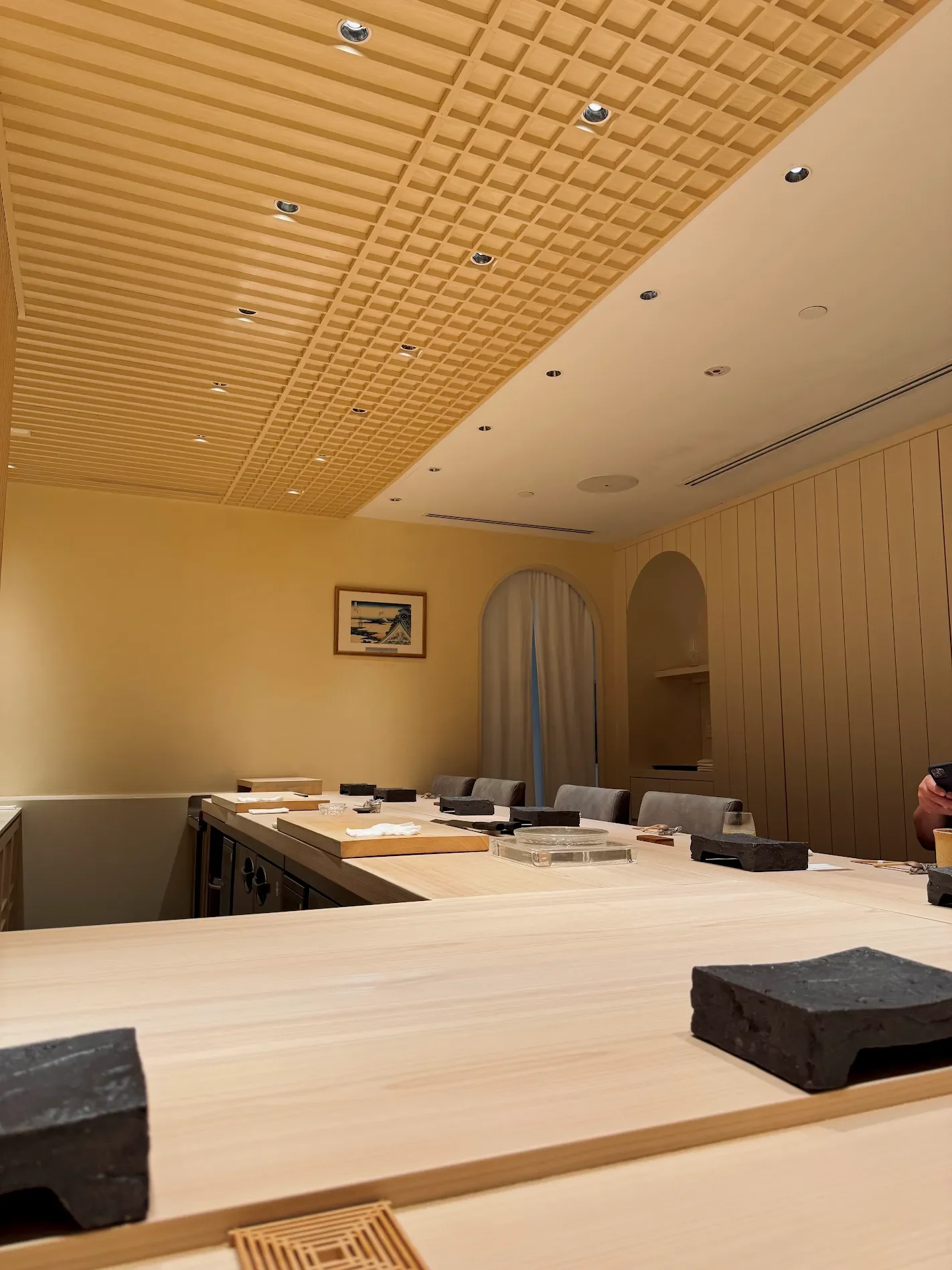
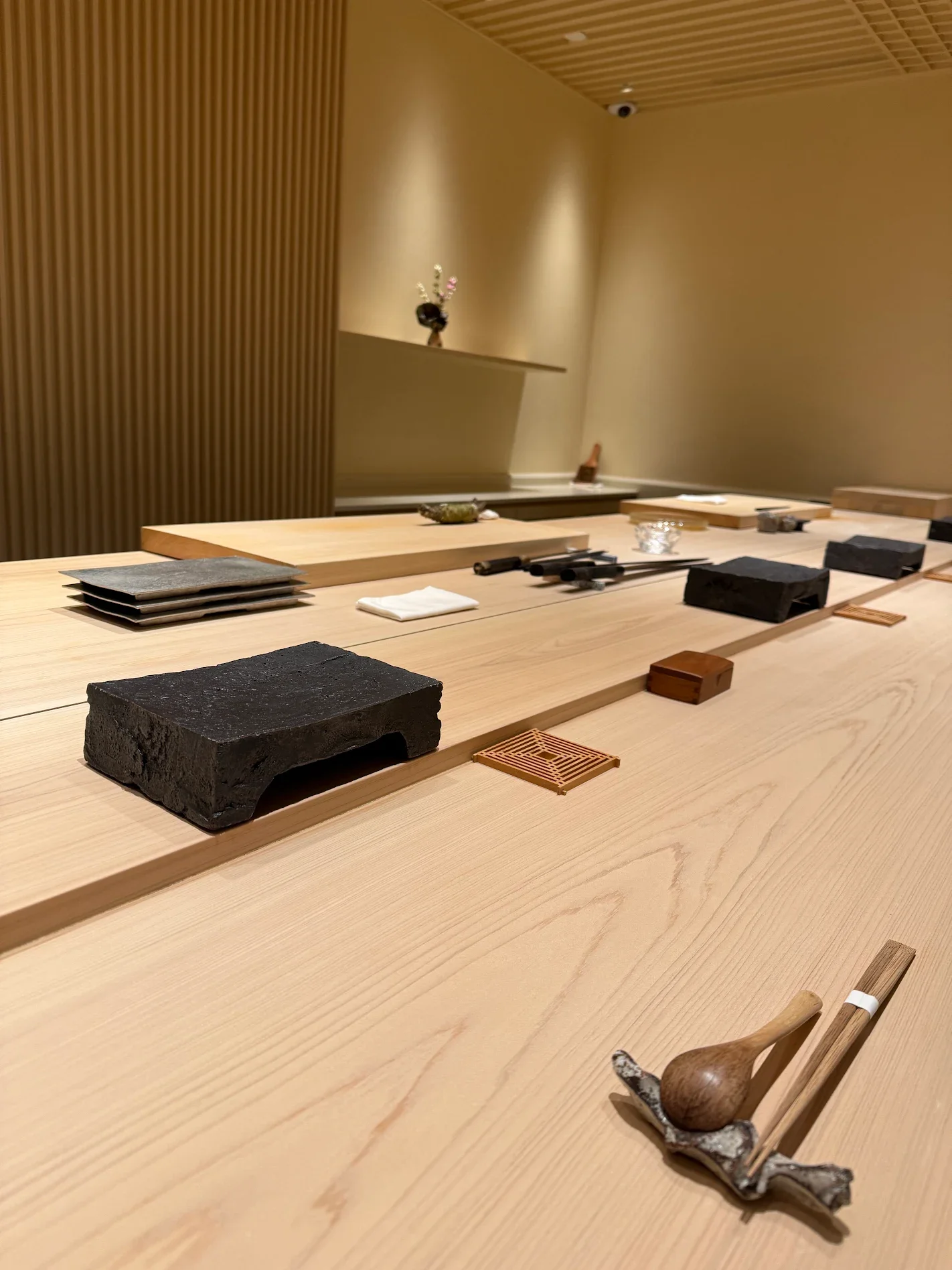
The new restaurant remains deliberately intimate. Its principal counter seats only a small number of diners, with a separate private room providing additional capacity. Pale timber, restrained lighting and Japanese architectural references create a room designed to recede behind the meal rather than compete with it.
That quietness appears repeatedly in diner accounts as well. Guests describe the restaurant as serene, understated and unusually calm, with Sakuta himself tending towards a reserved style behind the counter.
It is a different expression of hospitality from the more theatrical chef-led counter, and one that suits the food particularly well.
For more restaurants and dining destinations, explore TCJ's Dining Venues.
Sushi Built Around Restraint
Sushi Sakuta is fundamentally an Edomae-style omakase restaurant, but Sakuta's interpretation is noteworthy for its restraint.
Fish and other ingredients are sourced from Japan, with fresh seafood brought in from Tokyo's Toyosu Market. The menu consequently follows the seasons rather than operating around a permanent list of signature dishes.
Nigiri is often relatively delicate in proportion. Rather than building every piece around intensity, the restaurant pays close attention to the relationship between neta — the topping — and shari — the rice beneath it.
Temperature matters. So does thickness. So does acidity.
MICHELIN has specifically noted that Sushi Sakuta blends two Japanese rice cultivars in a precise ratio, illustrating the amount of attention given to an element that can easily disappear behind premium seafood at less considered sushi restaurants.
The result is sushi that does not necessarily attempt to overwhelm with richness.
It asks the diner to notice smaller things.
What the Omakase May Include
There is no fixed catalogue of dishes that every visitor will encounter. An omakase built around seasonal Japanese seafood naturally changes according to what is available.
Nevertheless, several preparations have become strongly associated with Sushi Sakuta.
Steamed abalone with abalone liver sauce is perhaps the most frequently mentioned. Across years of diner accounts, the tenderness of the abalone and richness of its accompanying liver sauce repeatedly emerge as highlights.
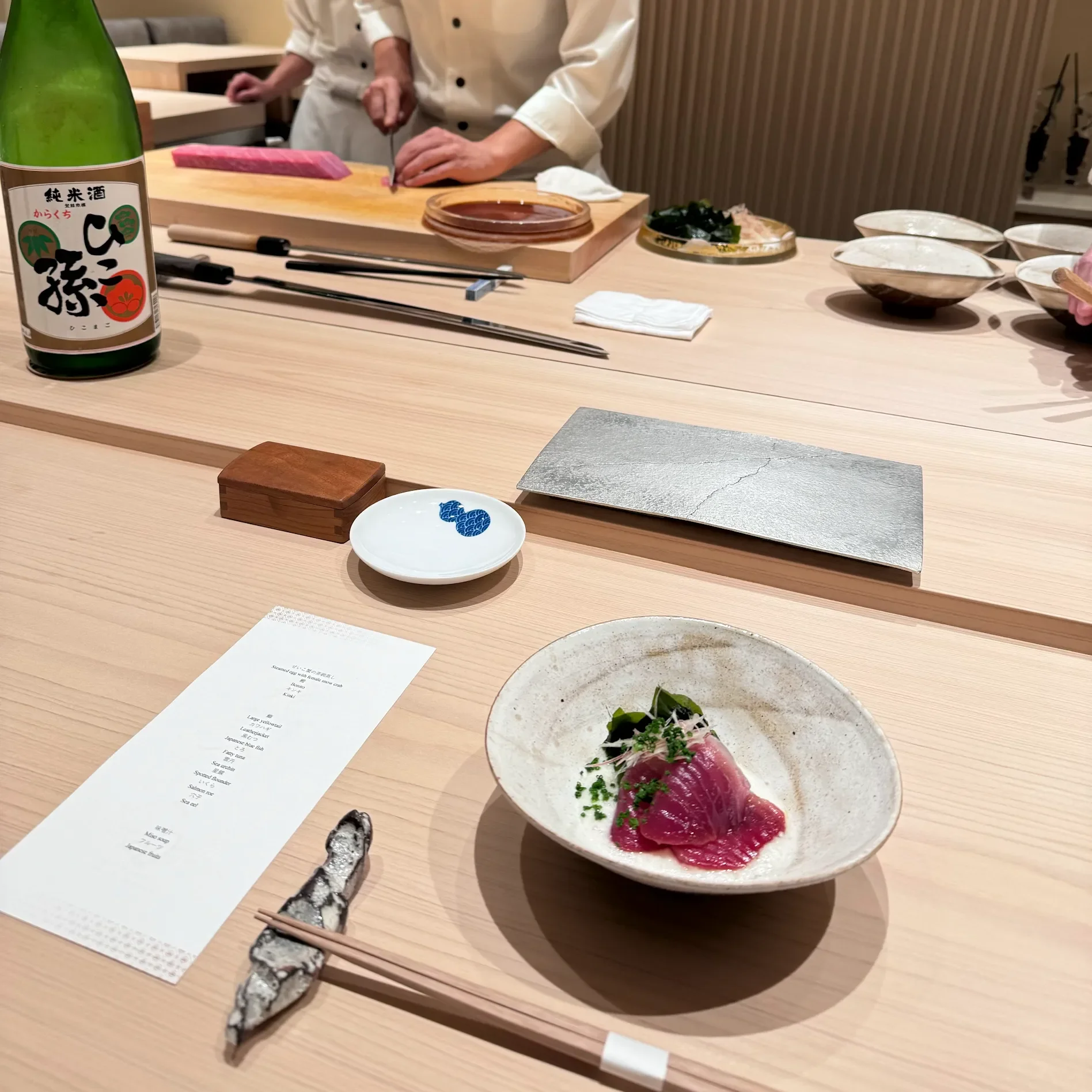
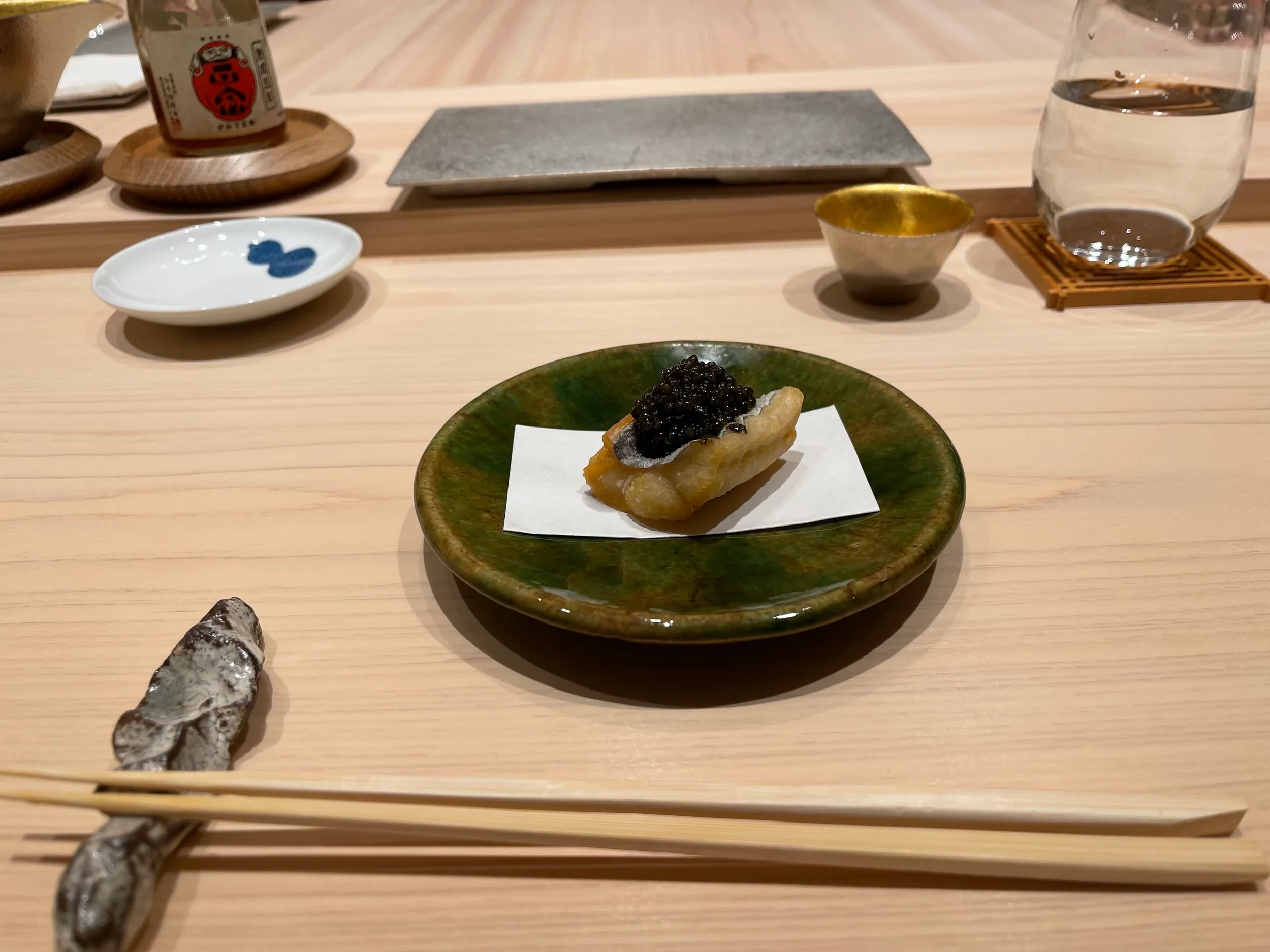
Other courses reported by diners have included kinki, snow crab, flounder, sweet shrimp with caviar, leatherjacket, golden-eye snapper, sea urchin, medium fatty tuna, fatty tuna and sea eel.
The precise sequence changes, but the underlying philosophy is clearer: good ingredients are given enough intervention to reveal something about them, but rarely so much that the intervention becomes the point.
Sakuta may add freshly grated wasabi, a restrained brush of soy, a little citrus or carefully judged seasoning. At other times, the ingredient is allowed to remain almost entirely on its own.
This is Japanese luxury expressed through editing rather than accumulation.
The Abalone Problem — Solved Softly
Abalone is worth returning to because it illustrates the restaurant particularly well.
Poorly handled abalone can be relentlessly chewy. Cook it differently and the same ingredient can become almost yielding.
Multiple diners singled out Sushi Sakuta's version specifically because of its texture, describing it as unusually soft and pairing it with an abalone liver sauce substantial enough to become part of the experience rather than merely a garnish.
It is precisely the sort of dish that explains why technique matters even when an ingredient is already expensive.
Luxury produce alone does not produce luxury cooking.
Rice Is Not the Supporting Actor
One of the more interesting disagreements among diners concerns the rice.
Some describe the shari as finely balanced. Others perceive more pronounced vinegar or would prefer a stronger flavour.
That difference of opinion is useful.
At this level of sushi, rice ceases to be neutral. Changes in vinegar, grain, temperature, firmness and proportion fundamentally alter each piece.
Sushi Sakuta's approach therefore has an identity rather than simply an absence of flaws.
For diners interested in understanding ingredients, preparation and the objects used to produce them, TCJ also documents the wider world of culinary Products.
Omakase as a Conversation Between Chef and Diner
An omakase counter creates a peculiar form of restaurant.
There is almost nowhere for either side to hide.
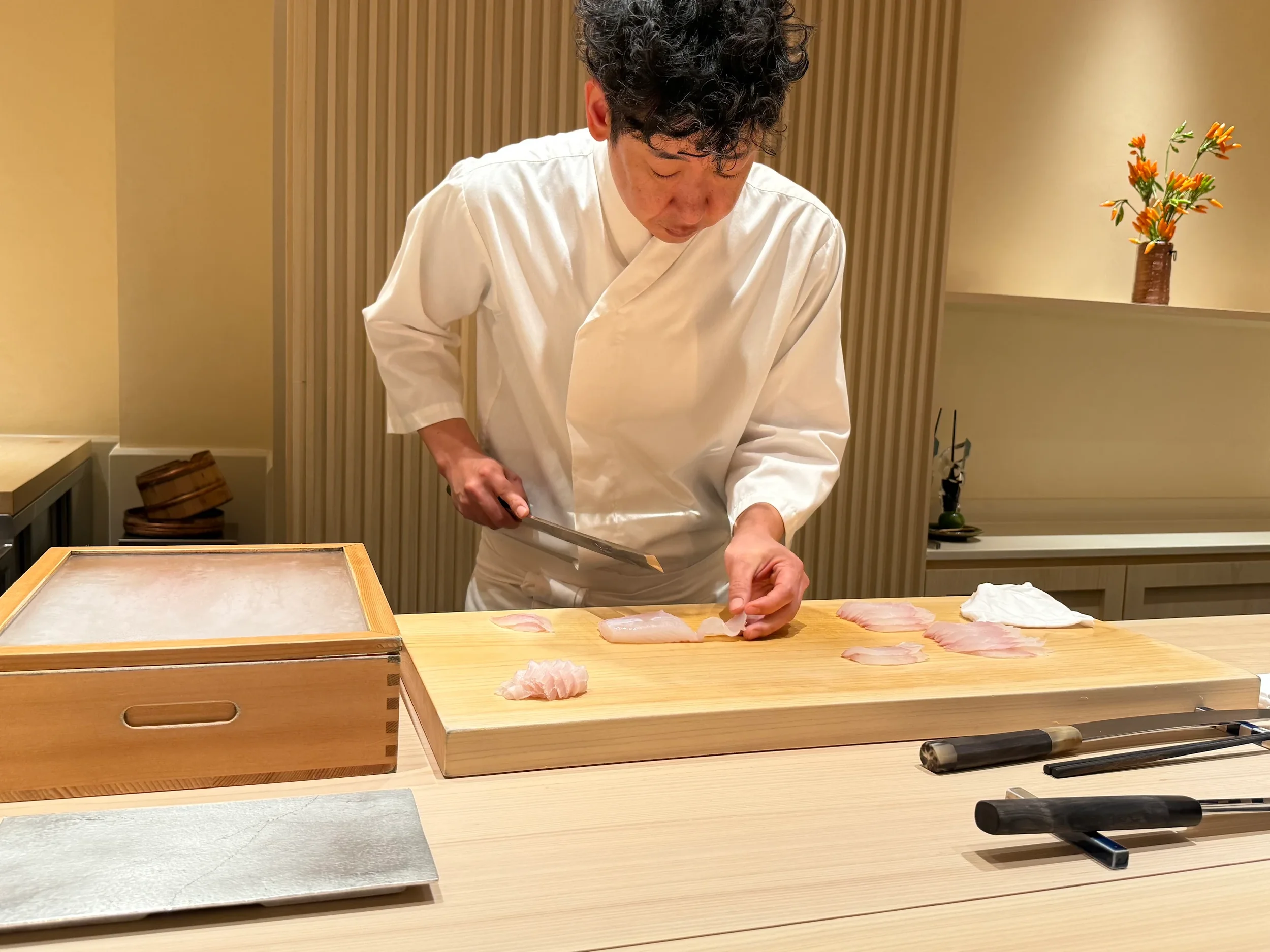
The chef works immediately in front of the customer. The customer eats each piece shortly after it is made. Timing becomes part of the recipe.
At Sushi Sakuta, that proximity appears to remain relatively restrained rather than performative. Sakuta's reputation is that of a chef focused heavily on his work, while service around him creates the softer layer of hospitality.
Several guests have also praised the restaurant's beverage programme, particularly its sake and wine selection and the ability of the sommelier team to create pairings around the changing menu.
The experience is therefore not only about individual pieces of sushi. It is about pacing an entire meal.
That distinction is important when judging omakase.
Part of Singapore's Remarkable Sushi Landscape
Sushi Sakuta does not exist in isolation.
Singapore has developed an unusually deep concentration of Japanese fine-dining talent, with chefs arriving through very different routes before establishing their own counters and audiences here.
TCJ's growing collection of Professionals examines those people separately from the restaurants in which they work.
Among them is Shintaro Hozumi, a third-generation sushi chef whose career repeatedly took him away from the route that might have seemed predetermined for him.
There is also Kenjiro ‘Hatch’ Hashida, whose approach to sushi developed along a markedly different path.
Seen together, these chefs illustrate something broader about contemporary Japanese dining in Singapore: the cuisine may be governed by formidable traditions, but individual chefs still develop highly recognisable philosophies within them.
Sakuta's is one of precision and restraint.
What Does Sushi Sakuta Cost?
As of 2026, the restaurant's reservation platform lists a S$350 lunch course, alongside a more extensive S$580 lunch course and S$580 dinner course. A separate Sakuta-Shima collaborative menu is listed at S$650. Menus and prices can change, so these should be checked when reserving.
At this price level, Sushi Sakuta is plainly a destination restaurant rather than somewhere intended for casual sushi.
Reservations are strongly advisable.
Its official opening information currently lists lunch at 12:30pm on Tuesday, Wednesday and Friday to Sunday, with dinner at 7pm Tuesday through Sunday. The restaurant closes on Monday and does not serve Thursday lunch.
Who Is Sushi Sakuta For?
Sushi Sakuta makes most sense for diners who are interested in sushi itself rather than spectacle surrounding sushi.
The appeal lies in noticing differences: the temperature of rice against fish, the softness of cooked abalone, the acidity of shari, the way a piece has been sliced, or the small amount of citrus needed to change its finish.
Those looking primarily for abundance may find the experience unusually austere for its price.
Those interested in craft may find precisely the opposite.
The restaurant's near-unanimously strong diner feedback repeatedly returns to the same subjects: ingredient quality, precision, service, quietness and the feeling of watching a highly experienced chef concentrate on very small details.
And that may be the simplest way to understand Sushi Sakuta.
It is an expensive restaurant built around making very subtle things matter.
Sushi Sakuta
9 Raffles Boulevard, #01-06/07/08 Millenia Walk, Singapore 039596
Cuisine: Japanese / Edomae Sushi
Format: Omakase
MICHELIN Guide Singapore 2026: Two Stars
Reservations recommended
Explore more restaurants through TCJ's Dining Venues, discover the people behind the food through Professionals, or browse our Food Guides.
To learn more about how The Cuisine Journal approaches food, people and places, visit About TCJ.