Restaurant JAG Singapore: Putting Vegetables at the Centre of French Fine Dining
Fine-dining menus have traditionally been organised around protein. A chef chooses the fish, duck, beef or shellfish, then builds vegetables and sauces around it. Restaurant JAG reverses that relationship.
At its Robertson Quay dining room, vegetables are not treated as supporting ingredients. They determine the direction of the menu, changing with the seasons and frequently receiving equal or greater attention than the seafood and meat served alongside them. The restaurant describes its approach as vegetable-centric rather than vegetarian, an important distinction because scallops, prawns, duck, Wagyu and other proteins still appear. They simply do not automatically occupy the centre of every plate.
That philosophy makes JAG unusual even within Singapore's increasingly diverse fine-dining landscape. The restaurant remains recognisably French in technique, but its identity is built around edible botany, seasonality and the idea that vegetables can provide enough complexity to organise an entire tasting experience.
A Different Kind of French Restaurant
Restaurant JAG was founded in 2018 and today operates from a restored warehouse at 41 Robertson Quay, overlooking the Singapore River. The restaurant currently holds one Michelin star in the 2026 Michelin Guide Singapore, while its own menus describe a series of seasonal dining experiences ranging from lighter tasting menus to more extensive dégustations.
Its current culinary direction is led by Executive Chef Laurence Tan, working alongside owner and managing director Anant Tyagi and a wider kitchen and hospitality team. The restaurant lists Tan as its executive chef, with Maryjoy Lim heading the front-of-house operation as general manager.
Tan's professional background can also be found through his Laurence Tan LinkedIn profile, but the clearest way to understand his work at JAG is through the food itself. Rather than organising dishes according to the usual hierarchy of protein first, vegetable second, JAG frequently begins with what is growing well during a particular season.
This creates a restaurant whose menu can change significantly throughout the year without requiring the underlying concept to change.
The Vegetable Comes First
Restaurant JAG's most distinctive idea is also relatively easy to understand.
A spring menu might revolve around peas, celtuce, asparagus and bell pepper. Another season can introduce root vegetables, squash, celeriac, daikon or other produce more closely associated with cooler months. The proteins change around them, but the vegetable remains the starting point.
Recent diners repeatedly describe this as the element that surprised them most. One guest arrived already sceptical because they disliked vegetables, only to leave praising dishes built around peas and bell peppers. Others specifically mention encountering vegetables they had never tried before and appreciating the opportunity to understand ingredients that would normally receive very little attention on a restaurant menu.
This is an important difference between vegetable-heavy cooking and vegetable-centric cooking. Adding more vegetables to a plate does not automatically change the way a dish is conceived. At JAG, the produce often appears to determine the flavour profile, cooking method and accompanying protein.
The approach has some philosophical similarities with other highly focused Singapore restaurants. Burnt Ends builds its identity around fire and the possibilities of its ovens, while JAG builds much of its identity around seasonality and the changing characteristics of plants.
Both restaurants begin with a constraint and use it to create variety.
Peas, Celtuce and the Problem With Familiar Vegetables
Vegetables suffer from familiarity.
Most diners already know what a pea tastes like. Bell peppers, asparagus and cauliflower are ordinary ingredients found in supermarkets and home kitchens. That makes them more difficult to present as luxury ingredients than lobster, Wagyu or truffles, because they arrive without an established sense of prestige.
JAG's cooking attempts to make diners look at them again.
One recent spring menu paired French hand-dived scallops with green peas and Brittany langoustine with celtuce. Another course combined Japanese sea bream with bell pepper. Several diners specifically identified the pea and celtuce dishes as highlights, suggesting that the restaurant's concept works best when the vegetable does more than decorate an expensive protein.
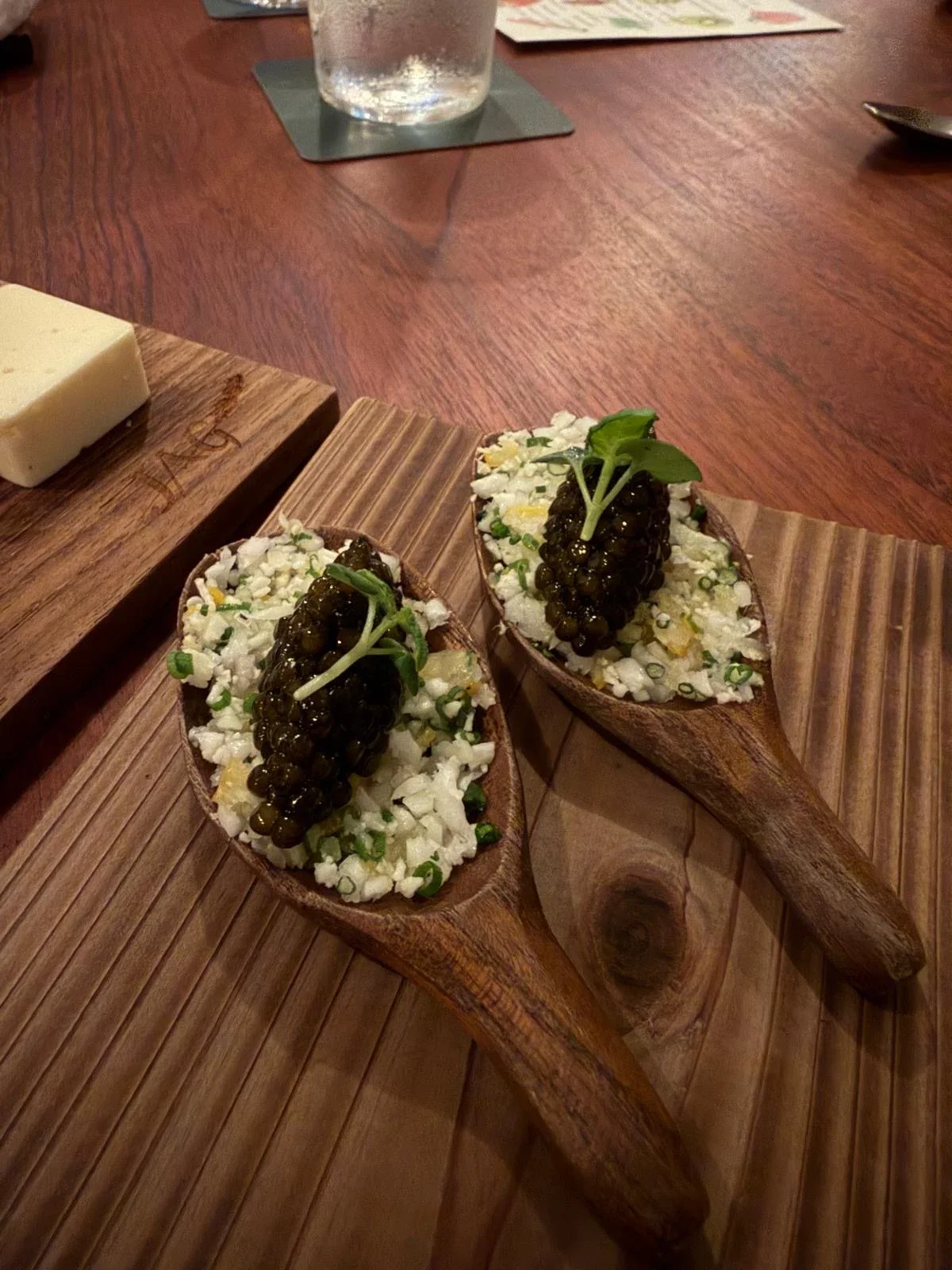
Celtuce provides a particularly good example. The vegetable, sometimes called stem lettuce, is valued largely for its thick stem and crisp texture. It does not have the immediate prestige of langoustine, yet putting both ingredients together forces the diner to pay attention to something they might otherwise overlook.
This element of discovery has become one of JAG's strongest characteristics.
Proteins Still Matter
Calling JAG vegetable-centric should not imply that its kitchen treats meat and seafood casually.
Recent menus and diner feedback feature Obsiblue prawns, scallops, langoustine, Japanese sea bream, duck, Iberico pork, Wagyu and other high-quality proteins. The difference is how they are incorporated into the larger menu.
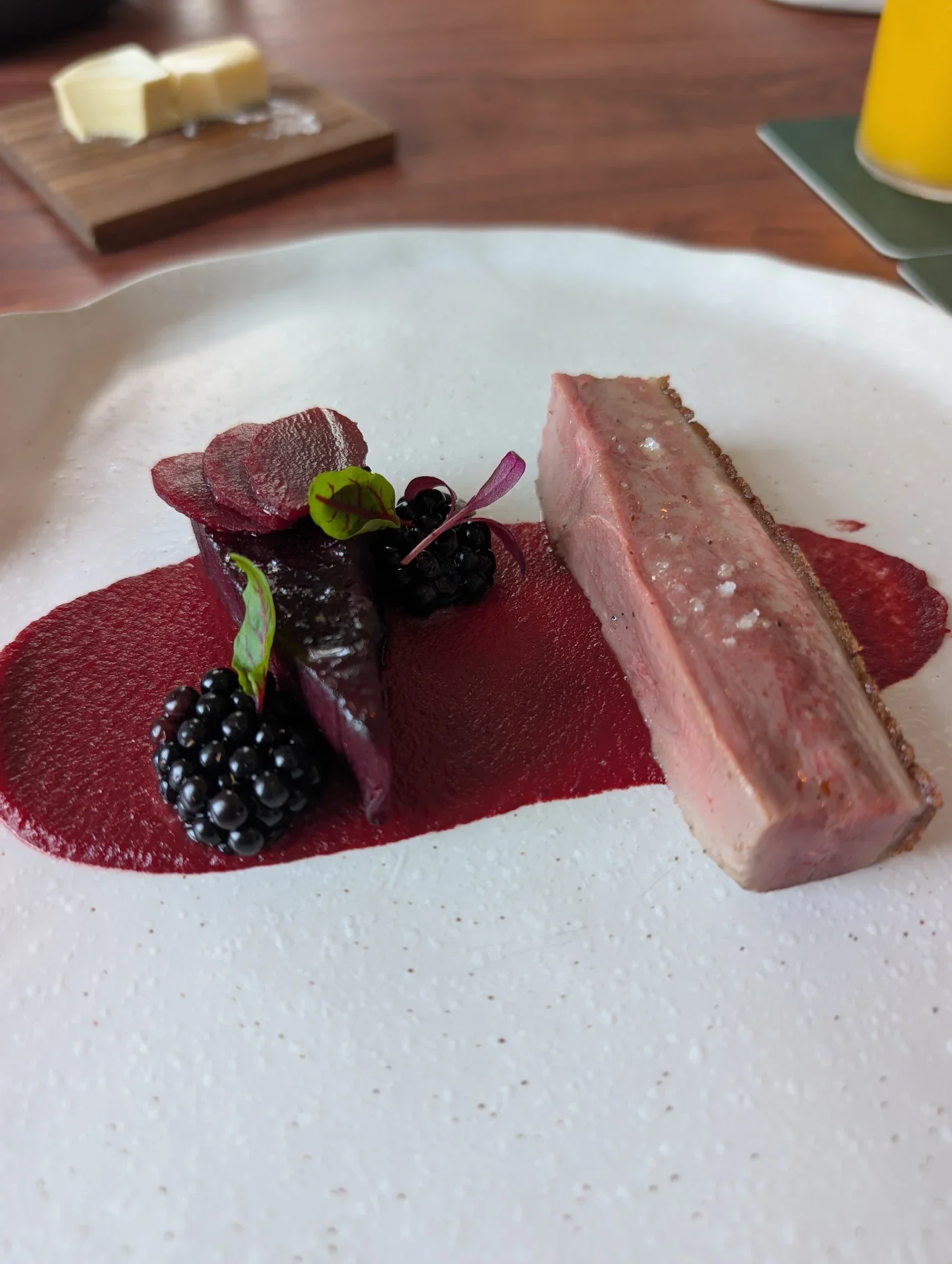
A diner might remember the duck as the strongest course of the evening while simultaneously recognising that the meal was structured around vegetables. Several guests have done exactly that, with recent reviews describing the duck as exceptional while still identifying the vegetable focus as the restaurant's defining characteristic.
The restaurant's seasonal menus demonstrate this structure clearly. Current 2026 menus pair seafood and meats with vegetables such as corn, celtuce, zucchini flower, Jerusalem artichoke, romanesco and green asparagus rather than presenting the vegetable as a generic side dish.
That approach also prevents the concept from becoming restrictive. JAG does not require diners to choose between appreciating vegetables and appreciating a carefully cooked piece of duck or Wagyu. Both can occupy the same meal without needing to compete for importance.
Seasonality Gives People a Reason to Return
Changing the menu seasonally is particularly useful for a restaurant built around produce.
A steak restaurant can serve a similar selection throughout the year because the central ingredients are relatively stable. Vegetables change much more dramatically. Their sweetness, water content, texture and availability move with the growing season, giving JAG a natural reason to continually redesign its menu.
The restaurant currently divides its year into seasonal experiences, with its 2026 summer menu running from July through September. Its website offers several levels of tasting menu as well as seasonal à la carte options, allowing diners to choose the length and intensity of the experience.
This is also why repeat visits appear frequently in diner feedback. Guests do not necessarily need to return simply to repeat a favourite dish. A new season provides a different collection of ingredients.
One diner who visited during winter specifically said they wanted to return to explore the restaurant's other seasonal menus. Another who experienced summer described the new collection of vegetables as an entirely different journey.
The concept therefore solves one of the recurring problems of tasting-menu restaurants: once the diner has experienced the signature menu, what brings them back?
At JAG, the calendar provides the answer.
Fine Dining Without Making Vegetables Feel Virtuous
Vegetable-led food can sometimes fall into the trap of becoming moralistic. The restaurant begins talking about health, sustainability and responsible eating until dinner starts sounding like an obligation.
JAG certainly discusses nutrition and seasonal produce, but the diner feedback suggests that pleasure remains central.
Guests talk about sauces, textures, bread, duck, prawns, wine and desserts rather than describing dinner as something they endured because it was good for them. This distinction matters. A vegetable can be nutritious without that being the main reason anyone wants another bite.
The best vegetable cooking works because vegetables already contain enormous variation. Some are bitter, some sweet, some earthy and others peppery. They can be roasted until deeply caramelised, served raw for crispness, fermented, puréed, grilled, braised or turned into broths and sauces.
Once that range is taken seriously, the vegetable stops behaving like an obligation beside the meat.
A Restaurant Designed for a Long Meal
JAG's Robertson Quay location suits the format.
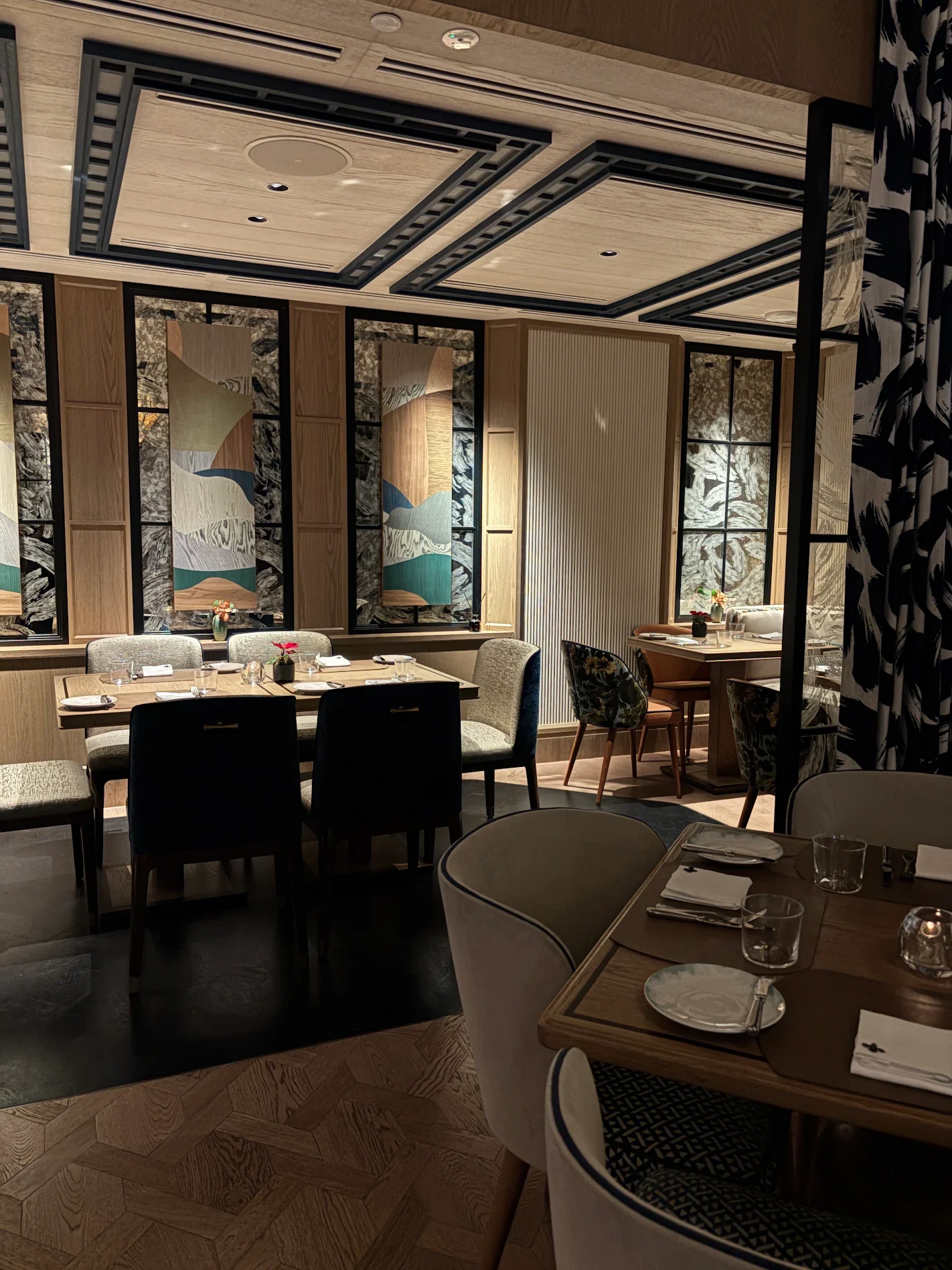
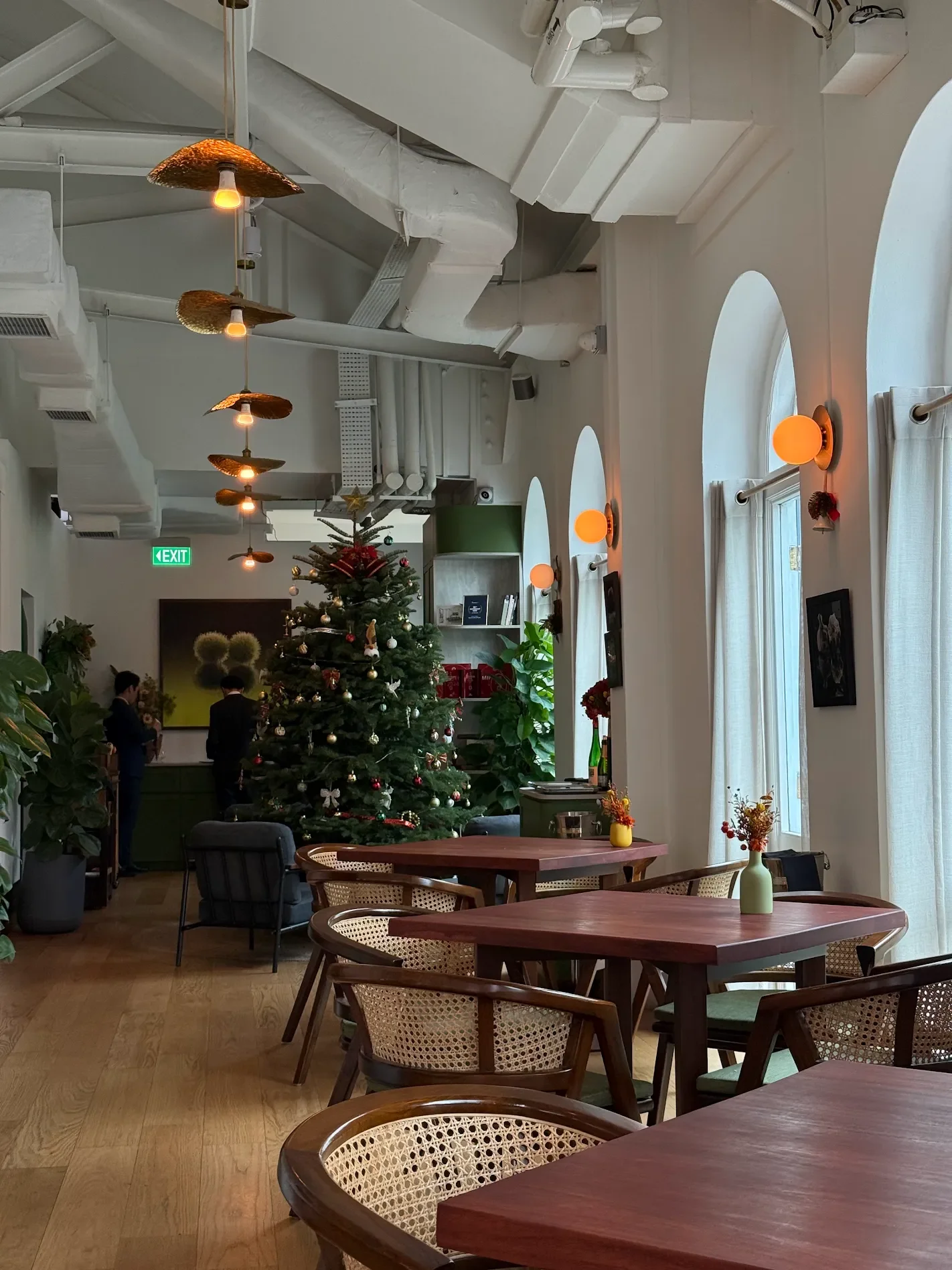
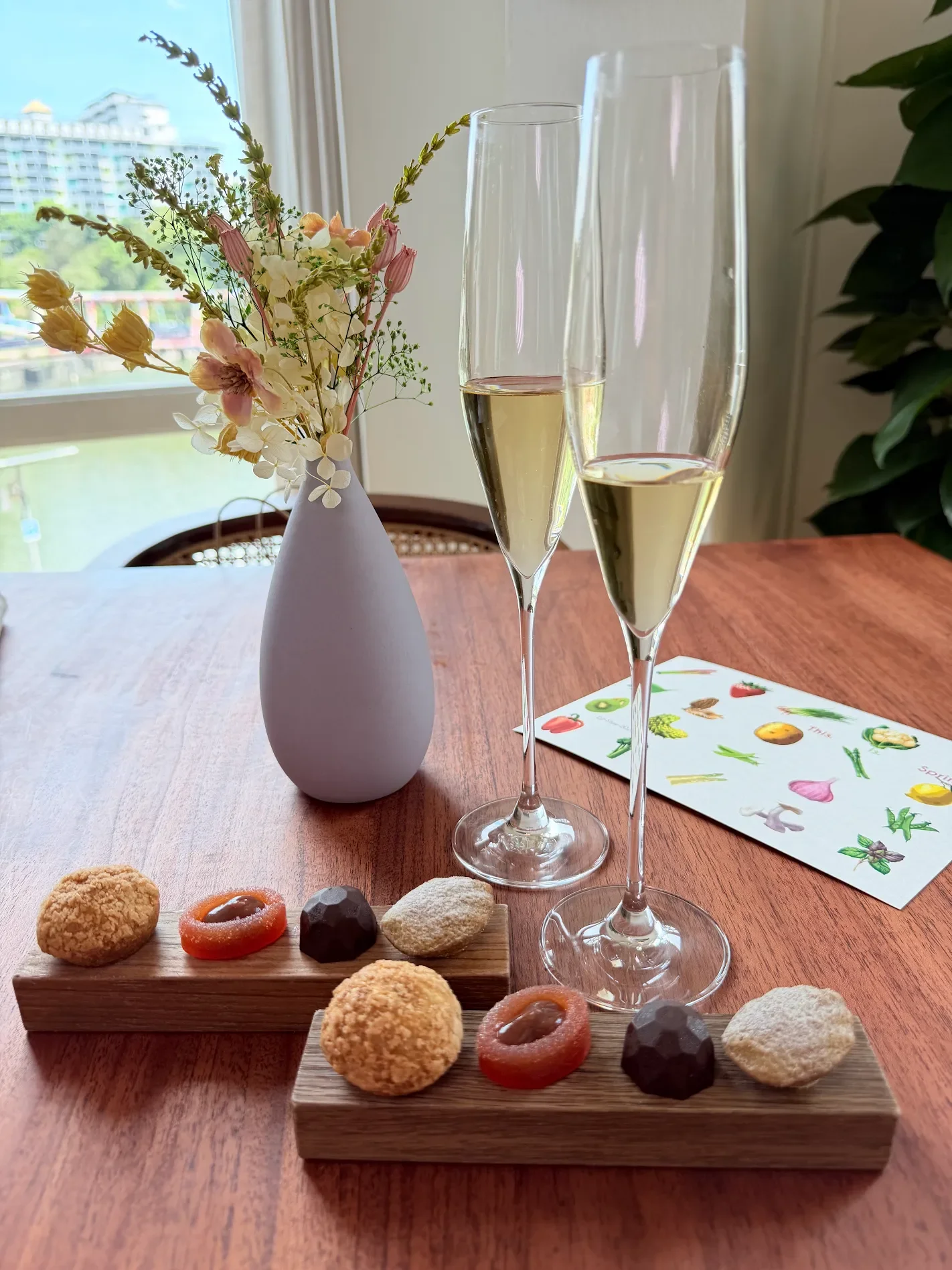
The restaurant overlooks the Singapore River from the second floor of a restored warehouse, creating a relatively quiet environment for a meal that can extend across numerous courses. Diners repeatedly describe the space as intimate, calm and easy for conversation.
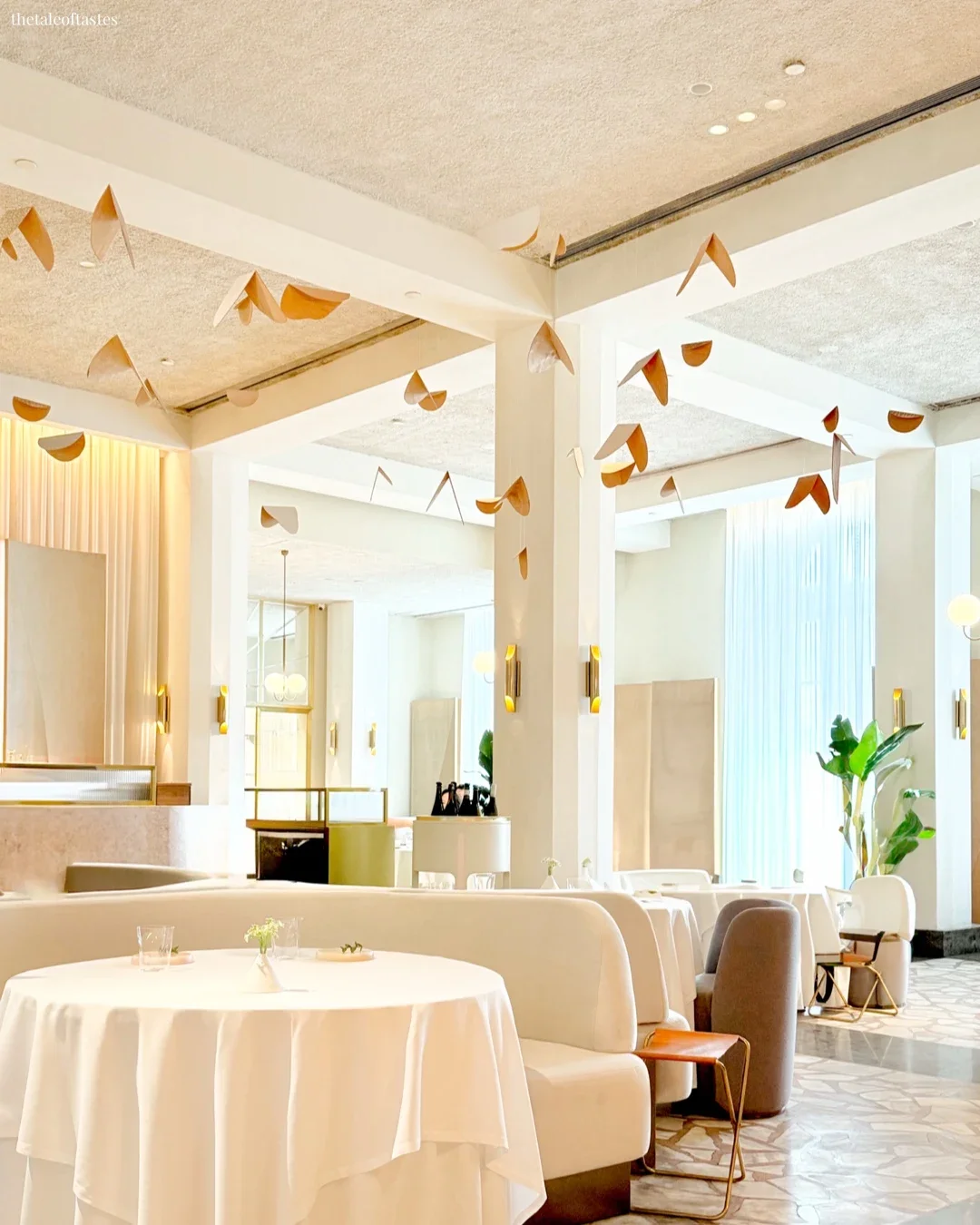
This differs from restaurants where the physical environment deliberately competes for attention. KOMA Singapore uses architecture and spectacle as part of the attraction, while Eden Restaurant uses its glasshouse environment as a defining part of its Orchard Road identity.
JAG's room is considerably quieter. Natural light, river views and a restrained interior allow the sequence of dishes to remain the main event.
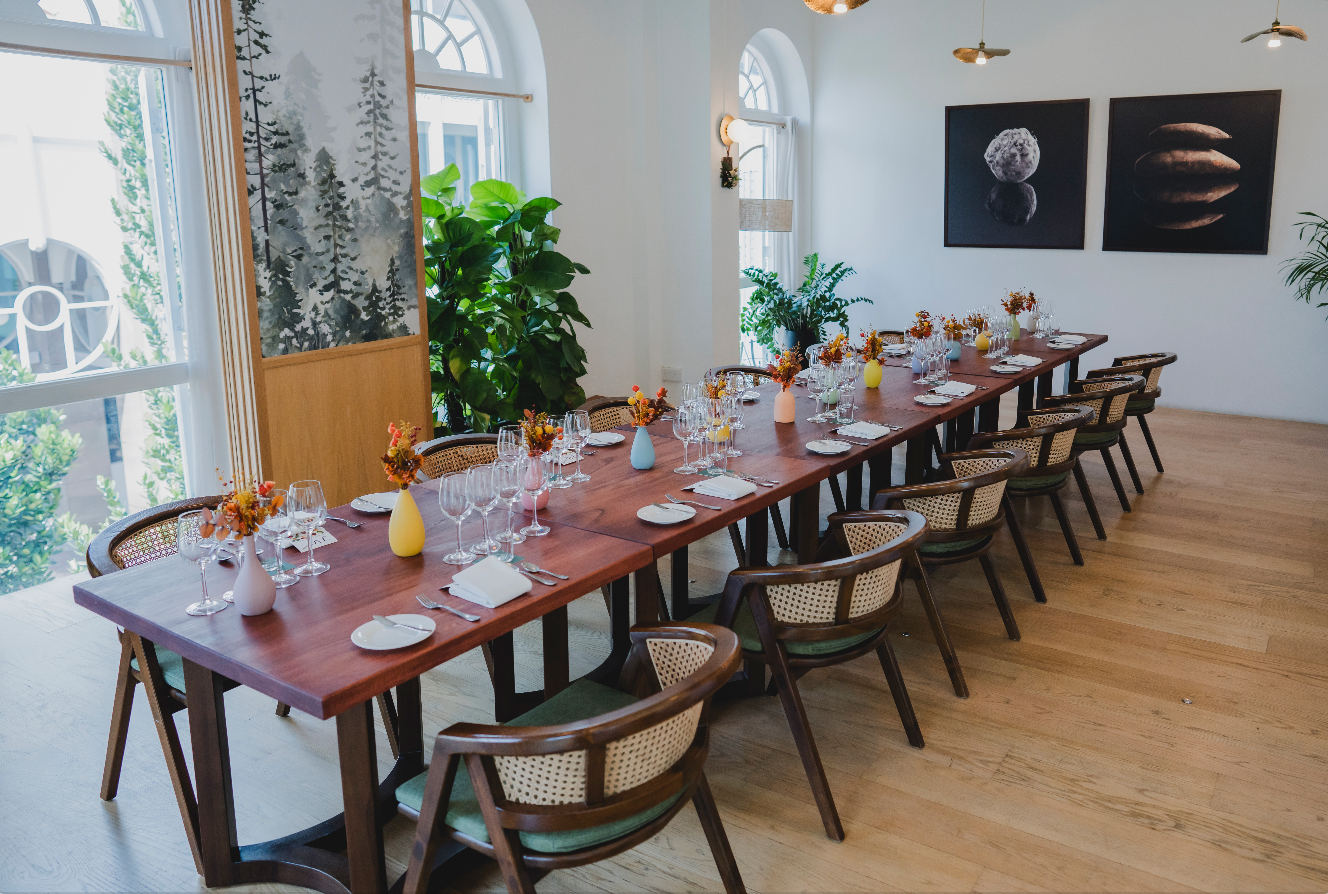
This becomes particularly useful for private dining. The restaurant's Alpine Room accommodates larger small groups, while the main dining room is intended for parties of up to six. JAG positions the private room for celebrations, business meals and intimate events, and diners have also reported holding small weddings and solemnisation lunches there.
Hospitality Is Part of the Concept
One of the strongest recurring themes in reviews of JAG is the level of interaction between the kitchen, service team and guests.
Chefs sometimes introduce dishes personally. Servers explain unfamiliar vegetables. Guests mention conversations with staff throughout the meal, while numerous reviews identify individual team members by name.
This matters more at JAG than it might at a conventional restaurant because many of the ingredients require explanation. A diner immediately understands "steak." Celtuce, unusual varieties of asparagus or less familiar seasonal vegetables may require context.
The service team therefore becomes part of the restaurant's storytelling.
When done well, that turns unfamiliarity into curiosity rather than confusion.
Several diners describe staff as warm, knowledgeable and genuinely engaged, while others appreciate the small gestures at the end of the meal. Some guests have received vegetables to take home along with recipes, extending the restaurant's produce-focused philosophy beyond the dining room.
That final gesture is unusually appropriate for JAG. Giving someone another luxury ingredient would reinforce the status of the restaurant. Sending them home with vegetables and a recipe reinforces the actual idea behind it.
Not Every Experience Is Identical
The supplied feedback is strongly positive, but it is not universally so.
One guest who selected the restaurant's more expensive experience felt the meal did not justify the price and described both the service and wine pairing as disappointing. Another diner thought the menu started extremely strongly with its vegetable courses before losing some momentum during the second half.
Those criticisms are useful because a long tasting menu creates a different kind of risk from ordering à la carte. The diner cannot simply stop after two successful dishes. Every course becomes part of the restaurant's argument, and a weaker sequence can affect the perception of everything before it.
Price amplifies this effect.
JAG currently offers multiple dining formats, from lighter tasting experiences to considerably more elaborate menus. The greater the financial and time commitment, the more demanding diners are likely to become.
That does not undermine the restaurant's concept. It simply reinforces how difficult the format is to execute consistently.
Laurence Tan and the Next Phase of JAG
Chef changes can be particularly disruptive for restaurants with highly specific identities.
If a restaurant is built entirely around the personality of one chef, replacing that person can require rebuilding the concept. JAG has instead maintained its vegetable-centric philosophy while allowing its culinary leadership to evolve.
Executive Chef Laurence Tan now leads the kitchen, while the broader team maintains the restaurant's emphasis on French technique, seasonal produce and nutritional balance.
That continuity is important.
Tan does not need to make JAG into a different restaurant simply to demonstrate authorship. The more interesting challenge is finding new expressions within an established framework.
This is similar to the problem facing any restaurant whose identity becomes larger than one individual. At Sushi Sakuta, for example, the identity remains closely tied to the precision and personality of chef Yoshio Sakuta. JAG's identity increasingly rests on a broader philosophy that can continue even as individual members of the brigade change.
That may ultimately make the restaurant more durable.
Wine Has an Important Supporting Role
JAG also places considerable emphasis on wine.
This makes sense in a French fine-dining restaurant, but vegetable-led cuisine presents pairing challenges that differ from traditional meat-heavy menus. Bitterness, sweetness, acidity and vegetal flavours can behave unpredictably with wine, particularly when several vegetables appear across a long tasting sequence.
Recent diners frequently compliment the restaurant's wine selection, though opinions on individual pairings are naturally more varied. The broader programme nevertheless serves an important function: wine provides another way of changing the perception of a vegetable.
A sweet vegetable can become less sweet beside an acidic wine. Earthy flavours can become more pronounced. Richer proteins can be balanced without requiring the kitchen to change the dish itself.
The beverage programme therefore operates alongside the food rather than merely underneath it.
What Restaurant JAG Is Really Selling
It would be easy to describe Restaurant JAG simply as a Michelin-starred French restaurant focused on vegetables.
That is accurate, but incomplete.
The more interesting proposition is discovery.
The kitchen takes ingredients diners often believe they understand and presents them with enough attention that they become unfamiliar again. A pea can become the memorable course. Celtuce can share equal billing with langoustine. A diner who claims not to like vegetables can discover that the problem may have been less about vegetables themselves than about how they were previously cooked.
This is where JAG's concept becomes persuasive.
The restaurant does not need to argue that vegetables should replace meat. It only needs to demonstrate that they deserve more attention than they usually receive.
Restaurant JAG at a Glance
Restaurant: Restaurant JAG
Executive Chef: Laurence Tan
Cuisine: Contemporary French, vegetable-centric fine dining
Address: 41 Robertson Quay, #02-02 STPI, Singapore 238236
Setting: Intimate dining room overlooking the Singapore River
Known for: Seasonal vegetable-led tasting menus, seafood and meat paired around produce, wine and highly personalised service
Best suited to: Fine-dining occasions, long lunches and dinners, anniversaries, small celebrations and diners interested in seasonal produce
Menus change substantially with the seasons, so the most useful place to see the current experience is the official Restaurant JAG website.
Restaurant JAG's strongest idea is ultimately a straightforward one: the most expensive ingredient does not automatically need to be the most important ingredient on the plate.
A scallop can still be luxurious. Duck can still be memorable. Wagyu can still provide richness and depth. But beside them, a pea, asparagus spear, pepper or unfamiliar root vegetable can be given enough care to become the part of dinner someone talks about afterwards.
That is a much more interesting role for vegetables than simply sitting beside the meat.