Summer Hill Singapore: French Comfort Food with a Singaporean Sense of Fun
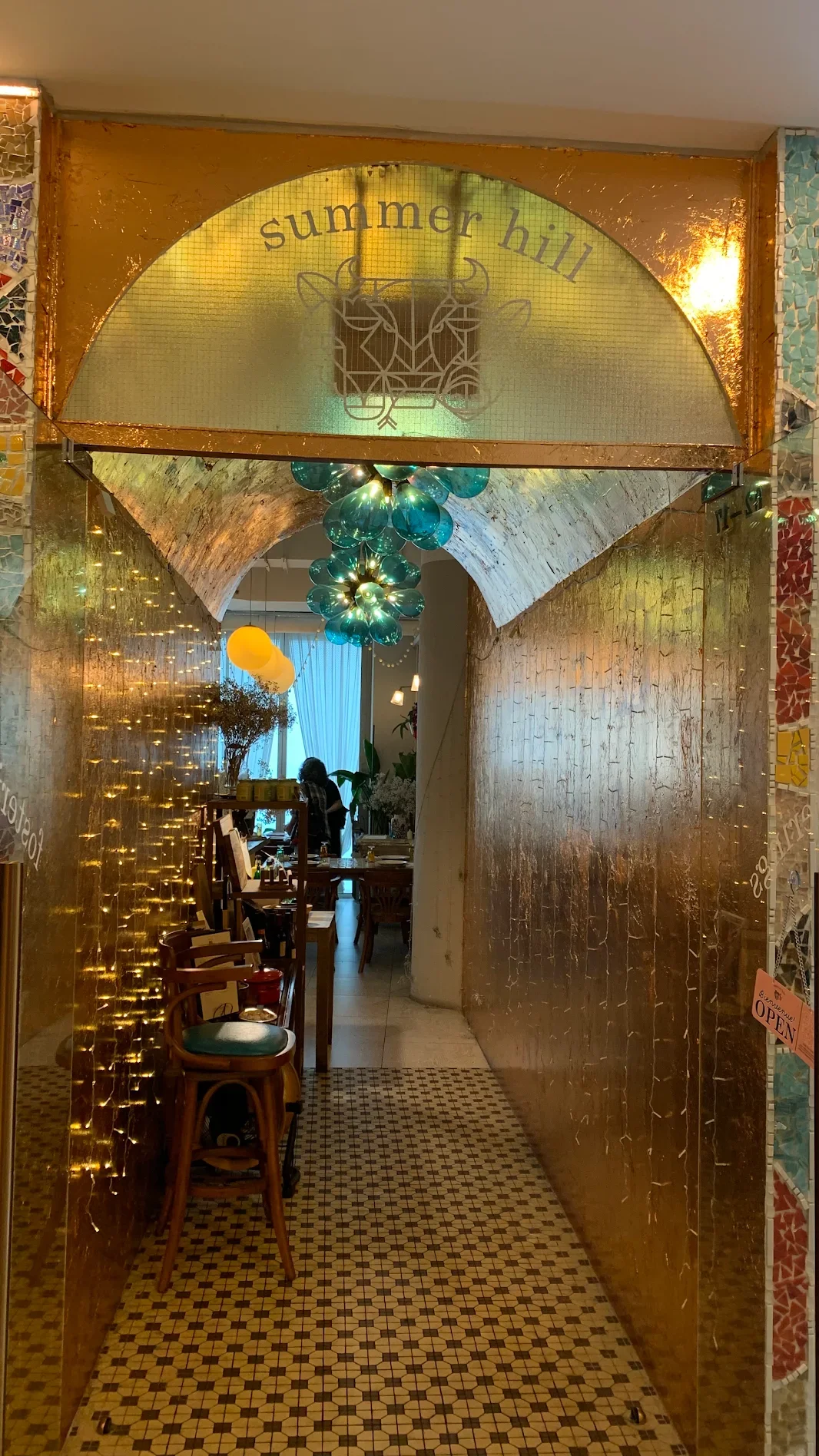
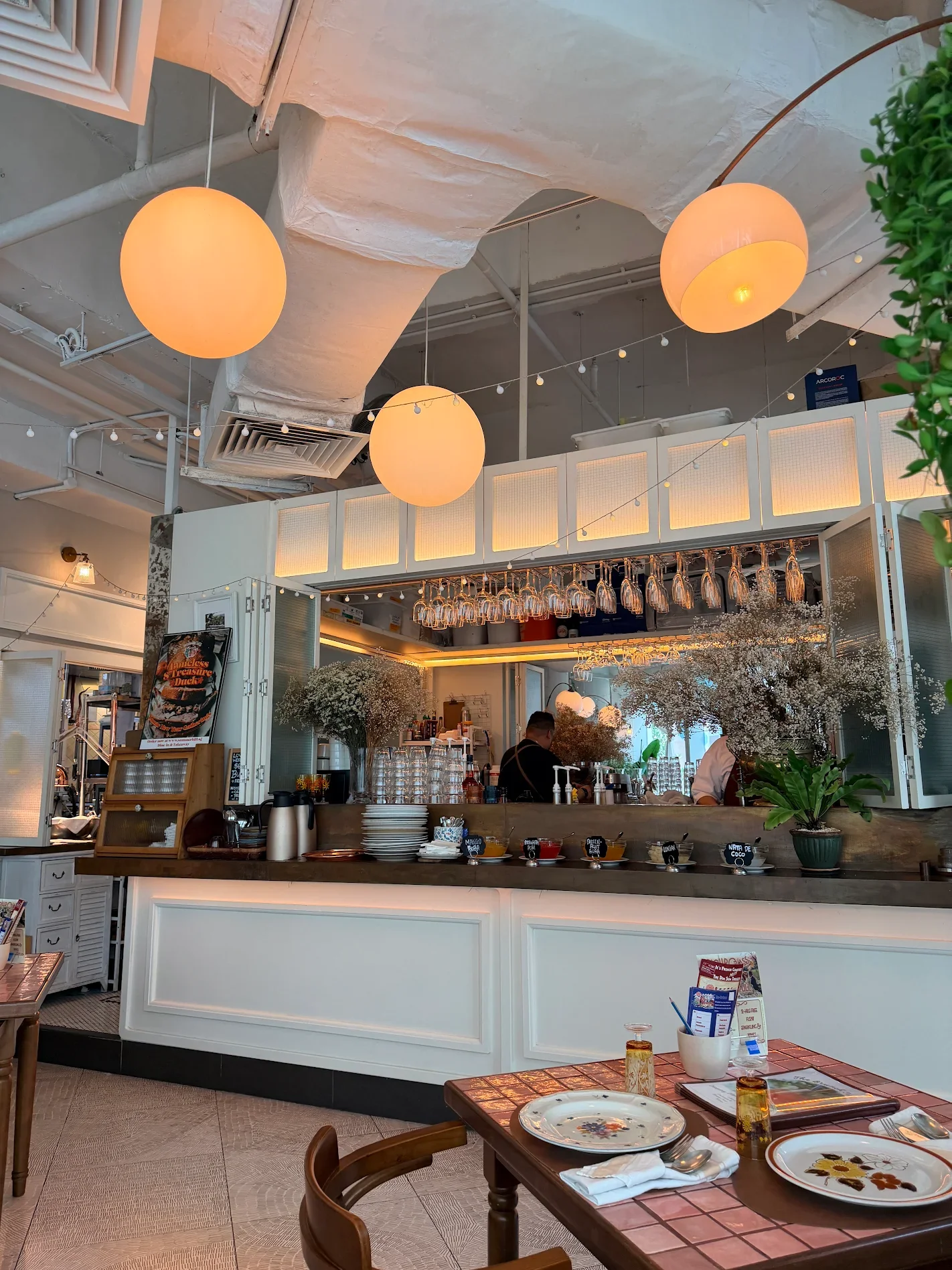
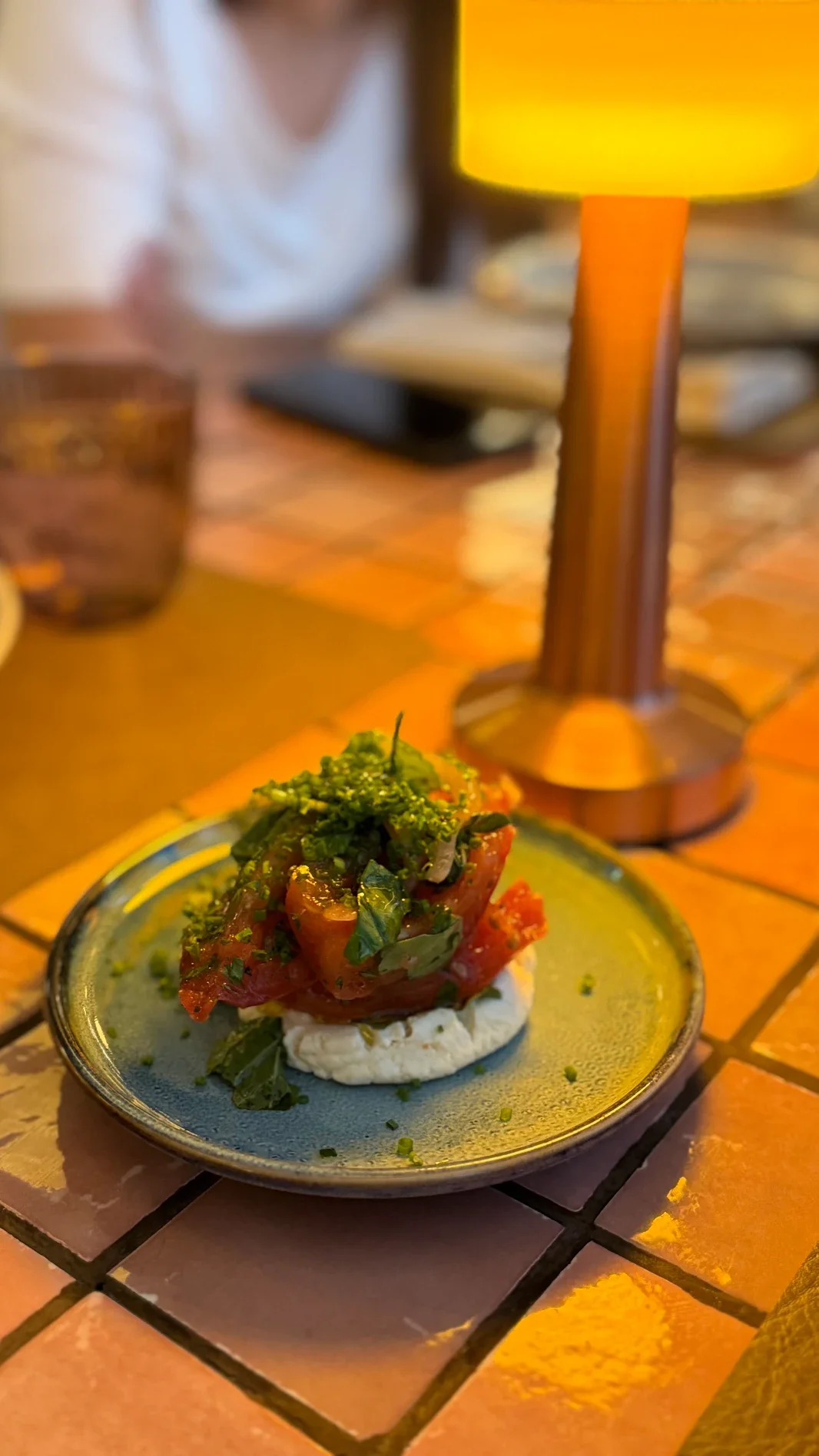
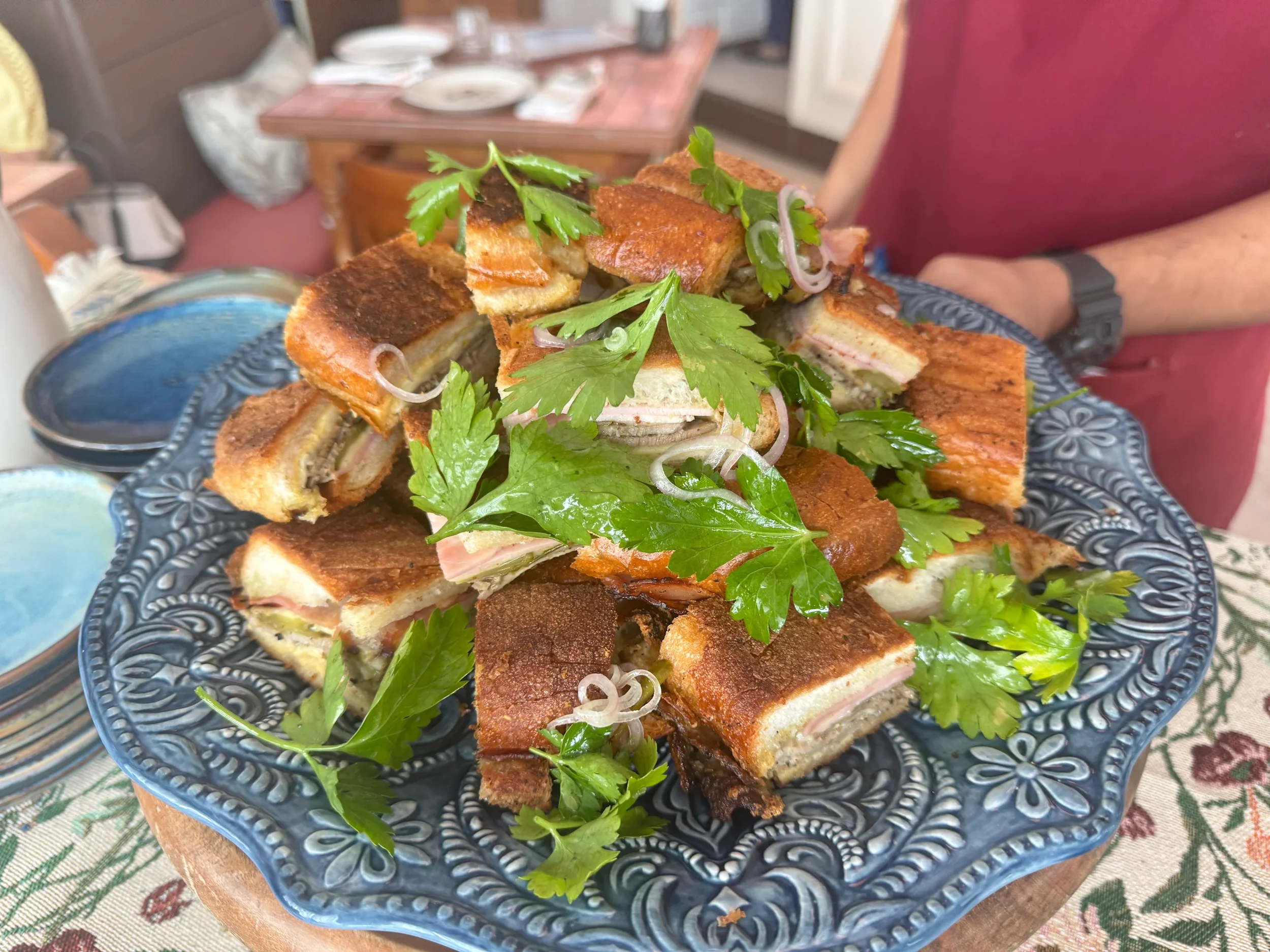
Summer Hill is a French restaurant, but it has never behaved as though French food needs to be formal.
Roast chicken, fried chicken, duck fat fries, pâté, lamb shoulder and rustic desserts sit comfortably beside cocktails, trolley brunches and a dining room filled with eclectic decorations. The cooking draws heavily from France, but the restaurant itself feels distinctly Singaporean in its willingness to take a familiar format and play with it.
That approach has followed Summer Hill from its beginnings as a small neighbourhood operation in Sunset Way to its current home at Claymore Connect on Orchard Road. The location changed, the dining room became larger and the restaurant developed more elaborate experiences, but the underlying philosophy remained relatively simple: hearty cooking made for people to gather around.
Among The Cuisine Journal's collection of Singapore venues, Summer Hill sits in an interesting middle ground. It is chef-driven and technically serious, but it does not present itself as fine dining. It is recognisably French, but it is happy to borrow the communal mechanics of a dim sum trolley. Most importantly, its food is built around comfort rather than ceremony.
From Sunset Way to Orchard Road
Summer Hill opened in 2018 in Sunset Way, initially operating as a small takeaway shop before gradually becoming a full restaurant. In 2022, it moved to its current premises at 442 Orchard Road, #02-17 Claymore Connect.
The restaurant's history stretches further back than 2018. Its team says they have worked together since around 2010, beginning at the now-closed Cocotte on Dickson Road. It was there that chef-owner Anthony Yeoh and his colleagues developed the roast chicken that would eventually become one of Summer Hill's defining dishes.
The official Summer Hill website describes the restaurant as a place for hearty French cooking and gathering around a hot meal. That sounds straightforward, but it explains much of what followed. Summer Hill has never needed a complicated culinary manifesto because the food itself is built around recognisable pleasures: roast poultry, proper sauces, bread, potatoes, slow-cooked meat and dessert.
The restaurant's move to Orchard Road changed the context considerably. Sunset Way gave Summer Hill the character of a neighbourhood discovery. Claymore Connect puts it within walking distance of Singapore's busiest shopping district while still keeping it slightly removed from the largest malls.
The result feels less like a destination that requires a journey across the island and more like a casual French restaurant that happens to sit just off Orchard Road.
The Roast Chicken That Came Before the Restaurant
Summer Hill's roast chicken is important because it predates Summer Hill itself.
The team originally developed the dish at Cocotte after noticing that a properly roasted French-style chicken was surprisingly difficult to order in Singapore restaurants. The concept was not complicated. They wanted a bird with crisp, deeply browned skin, properly seasoned meat and enough natural flavour to justify serving something as ordinary as roast chicken in a restaurant.
That simplicity became a strength.
Chicken is unforgiving precisely because diners know it so well. There is no prestige attached to the ingredient itself. The kitchen has to create the value through preparation. Brining helps the meat retain moisture and seasoning, while controlled roasting creates the contrast between crisp skin and juicy flesh.
It is a different approach to restaurant identity from Burnt Ends, where Dave Pynt built an entire culinary language around fire and specialised ovens. Summer Hill's roast chicken is technically less theatrical, but the principle is similar: take a familiar ingredient seriously enough that technique becomes the reason to order it.
That chicken remains part of the restaurant's identity more than a decade after the team first began working on it.
Fried Chicken, French Bistro Style
Summer Hill's fried chicken has developed its own following.
The restaurant began serving it in the early Sunset Way years through dedicated Fried Chicken Days before eventually placing it on the regular à la carte menu. The chicken is brined and marinated before frying, giving it the moisture and seasoning diners repeatedly mention in reviews.
Recent feedback ranges from enthusiastic praise to diners who find it less distinctive than the restaurant's other dishes. That variation is useful because fried chicken carries particularly strong personal preferences. Some diners want aggressive crunch and spice; others value juiciness and seasoning.
At Summer Hill, it belongs within the wider French-bistro vocabulary rather than attempting to imitate American or Korean fried chicken. It is often accompanied by vegetable sides and sauces that make the dish feel more like part of a restaurant meal than something built entirely around the frying itself.
One recent diner paired it with duck fat fries and a tomato-ricotta salad, while another specifically praised the zucchini salad served alongside the chicken.
Small Plates and a More Flexible Dinner
The restaurant's smaller dishes are particularly useful for diners who do not want the traditional starter-main-dessert structure.
Pâtés, salads, potatoes, fries and other small plates allow a table to assemble dinner communally. This suits Summer Hill because much of its food works better when shared. Roast meat, potatoes and vegetables naturally encourage passing plates around the table rather than keeping each person's dinner entirely separate.
This informal approach also distinguishes Summer Hill from restaurants where the meal unfolds through a fixed progression.
A table can come for several dishes and drinks without committing to a long experience. Another group can order mains individually. A family can share a roast and sides.
The flexibility is part of the restaurant's appeal.
It also places Summer Hill closer to the traditional social function of a bistro than to modern tasting-menu dining. The food may require substantial work in the kitchen, but the guest does not need to treat dinner like a performance.
The Brunch Trolley Is Where Summer Hill Gets Playful
Summer Hill's most distinctive format may now be its weekend Brunch Trolley.
The restaurant takes the familiar mechanics of a Chinese dim sum trolley and fills it with French food. Small plates are wheeled to the table, diners first receive a round of the menu, and favourites can then be reordered. Themes change every few months, allowing different regions and traditions of France to become the focus.
That combination is clever because the trolley changes the behaviour of the table.
A conventional brunch buffet requires diners to repeatedly leave their seats. A tasting menu determines exactly what arrives and when. Summer Hill's trolley sits somewhere between them. The restaurant controls the sequence initially, but diners eventually decide what they want again.
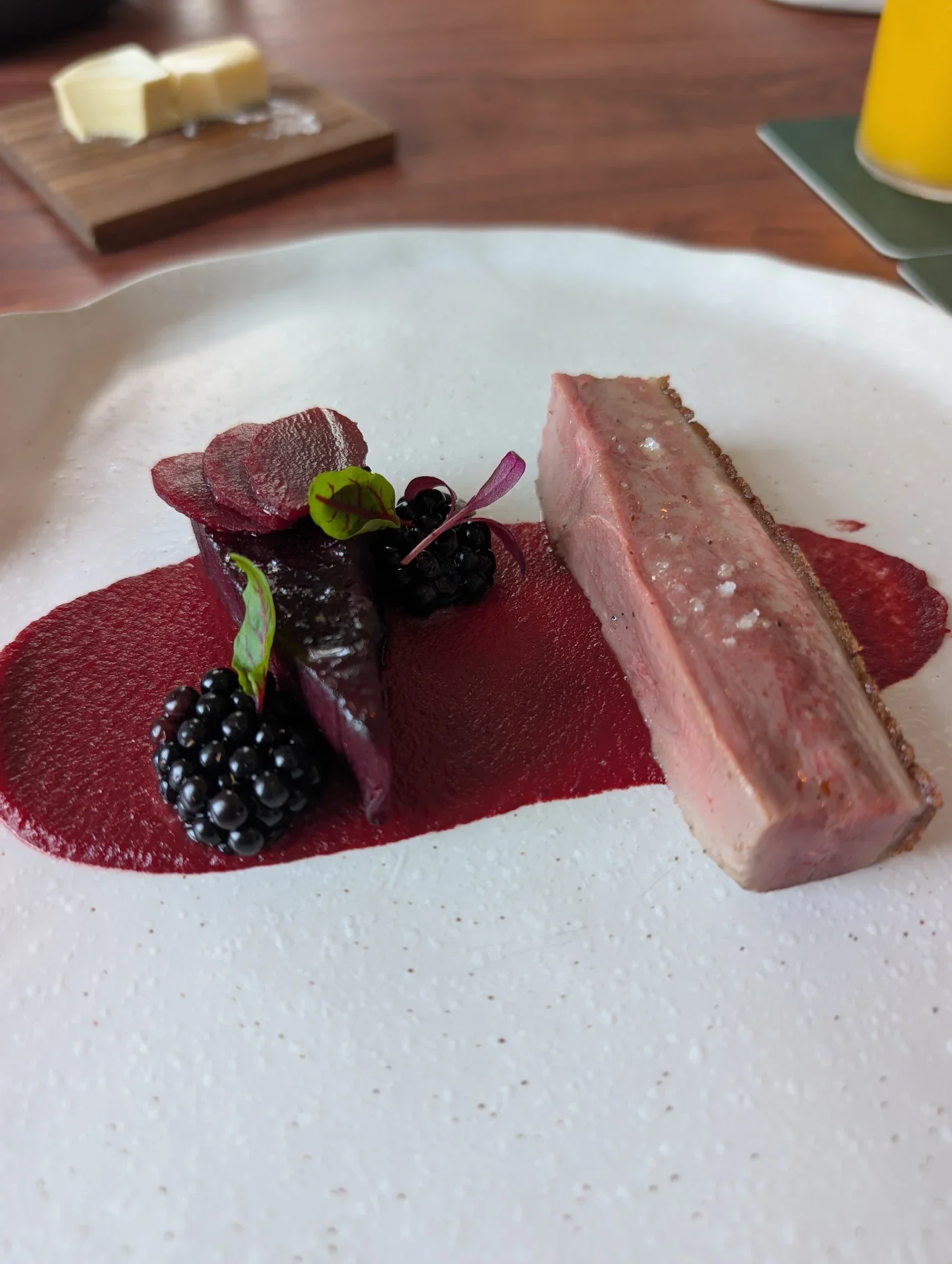
Recent themes have explored different parts of France through dishes such as duck confit, pâté, stews, fish, vegetable preparations and desserts. The restaurant's current trolley continues that regional approach, using Southwest France as its focus.
Diners describe the experience very differently depending on expectations. Some enjoy the slow, communal structure and the ability to sample many dishes; others expecting a large conventional buffet have found the selection or initial portions too restrained. That distinction is important. The trolley works better when understood as a guided small-plate brunch with repeat servings rather than a room full of unlimited food waiting to be collected.
A Tour of France Without Pretending to Be France
One of the more successful versions of the trolley was structured as a tour through regional French cooking.
Diners encountered dishes such as salade piémontaise, piperade, halibut Grenobloise, calamari à la Basquaise, pork ribs, poule au riz and Provençal beef stew. The point was not simply to serve famous French dishes but to demonstrate that French food changes considerably depending on geography.
This is useful because the international shorthand for French cuisine can become very narrow: onion soup, escargots, duck confit and steak frites.
Regional France contains much more.
Basque cooking brings peppers, seafood and tomato. Provence introduces olives, herbs and Mediterranean produce. Southwestern France brings duck, foie gras and substantial rural cooking. Alpine regions produce another set of traditions entirely.
Summer Hill uses these regional differences to keep the brunch concept evolving without abandoning its French identity.
One diner described the trolley as a French equivalent of a dim sum experience, with small portions arriving gradually and the opportunity to reorder favourites later. Another particularly praised the beef stew, chicken and soup while finding the fish and asparagus less successful.
That mixed feedback is probably inevitable when a brunch involves a dozen or more separate preparations. The larger the menu, the harder it becomes for every plate to perform at exactly the same level.
Comfort Food Does Not Mean Careless Food
The phrase "comfort food" can make cooking sound easier than it is.
In practice, many of the dishes associated with comfort require considerable technical control. Roast chicken must stay moist. Lamb shoulder needs enough time for connective tissue to soften. Beef stew requires concentration without becoming overwhelmingly salty. Potatoes need correct texture, and sauces have to carry richness without dominating the plate.
Summer Hill's strongest feedback repeatedly centres on these fundamentals.
Diners praise tender steak, succulent chicken, slow-roasted lamb and sauces with considerable depth. Others particularly remember potato pavé, bread and desserts. Even guests who criticise portion sizes often acknowledge that the underlying cooking is good.
That suggests the restaurant's main tension is not usually between good and bad cooking. It is between what Summer Hill wants to serve and what individual diners expect for the price or format.
Those are different questions.
Portions Are the Most Consistent Point of Debate
Portion size appears repeatedly in the supplied reviews.
Some diners describe the dishes as ideal for sharing, particularly when ordering several plates. Others consider individual portions smaller than expected and recommend ordering a main course per person rather than relying heavily on sharing.
The issue becomes particularly noticeable during brunch, where the tasting-style first round can feel restrained to diners arriving very hungry.
This is useful information because Summer Hill's presentation can create expectations of abundant rustic cooking. The décor, roast meats and communal formats suggest generosity, while the actual portioning can sometimes be more controlled than expected.
For diners who understand the format, that may not be a problem. For groups expecting enormous platters of food, ordering strategy matters.
Desserts Deserve More Attention Than an Afterthought
Summer Hill's desserts appear unusually often in positive diner feedback.
Chocolate cake, plum tart, apple tart, madeleines and other rustic sweets have all attracted praise. Even diners who were less convinced by parts of the savoury menu sometimes identified dessert as a highlight.
This fits the restaurant particularly well.
Summer Hill's desserts tend to follow the same principle as the savoury food: familiar, substantial and not excessively architectural. They are designed to be eaten rather than admired from three angles first.
That contrasts with the visual precision expected at formal fine-dining restaurants, but it does not make dessert less technical. Pastry simply expresses itself differently.
In a restaurant built around comfort, a good tart probably makes more sense than an elaborate construction that requires an explanation.
The Dining Room Has Its Own Personality
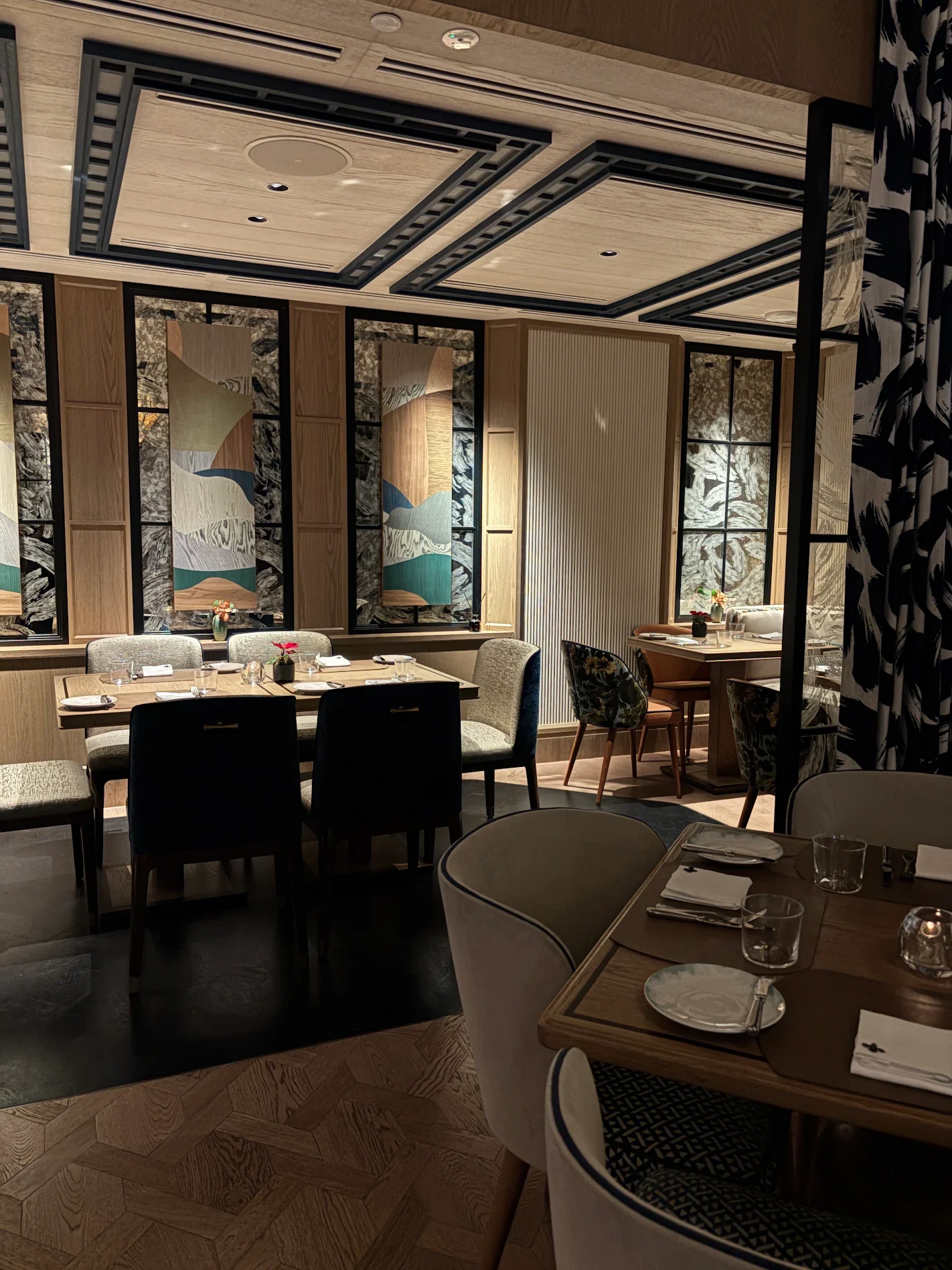
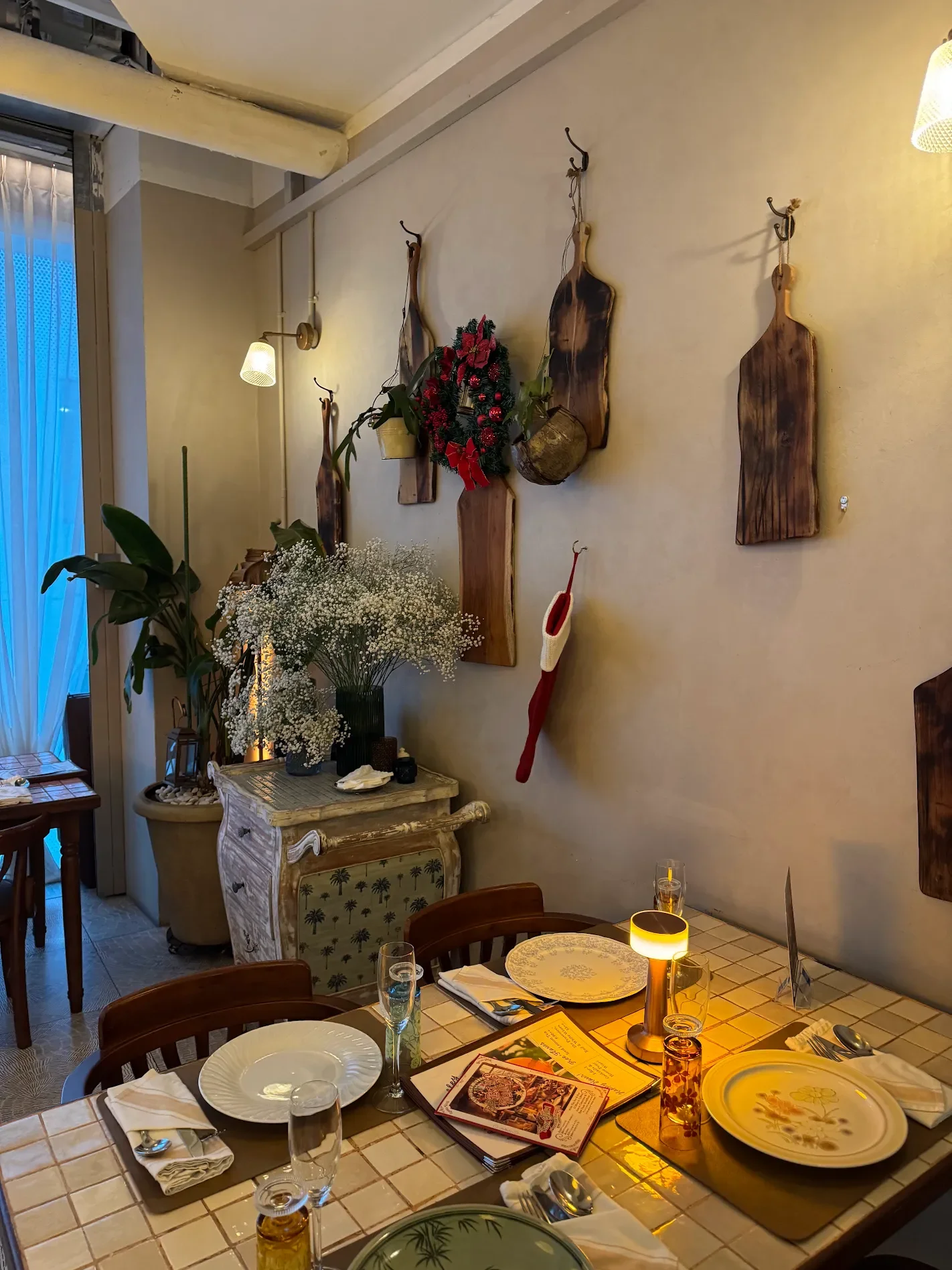
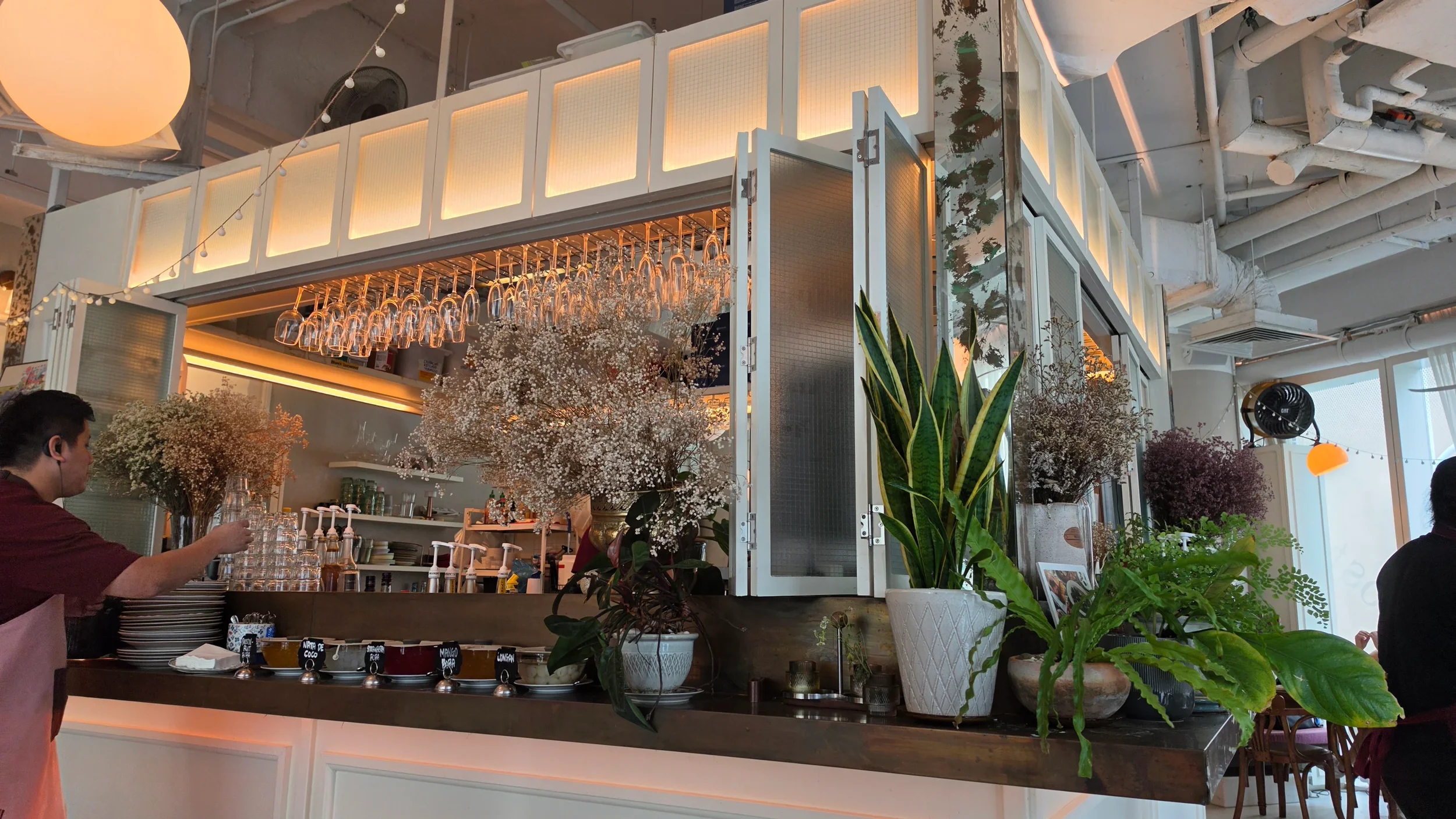
Summer Hill's Orchard Road home is visually distinctive.
The interior uses patterned surfaces, decorative objects, hanging lights and mismatched details to create something closer to a whimsical country house than a minimalist contemporary restaurant.
Some diners describe it as charming and cosy. Others call it maximalist.
Both descriptions are probably correct.
The room is deliberately busy, but not in the grand theatrical way of KOMA Singapore. Summer Hill feels more collected than constructed, as though the decorative personality accumulated gradually rather than emerging from a single dramatic architectural idea.
That warmth works particularly well with its food.
Roast chicken and stew would feel very different inside a severe white dining room.
Here, they make sense.
Anthony Yeoh and a Team That Has Cooked Together for Years
Chef-owner Anthony Yeoh remains closely associated with Summer Hill, but the restaurant's history is also a story about a team that has worked together for much longer than the restaurant has existed.
That continuity helps explain why certain dishes have persisted through different locations and formats.
Yeoh previously worked at Cocotte and Bird Bird before opening Summer Hill, while members of his present team have travelled through several of those kitchens with him. A Time Out Singapore profile of Summer Hill similarly traces Yeoh's background through those earlier restaurants and highlights the poultry cooking that continues to define much of Summer Hill's menu.
The importance of that continuity should not be underestimated.
Restaurants often change rapidly because kitchen teams change rapidly. When cooks have worked together for years, recipes and service habits can become shared institutional knowledge rather than instructions written in a folder.
Summer Hill's dishes consequently feel connected to a history longer than the Orchard Road restaurant itself.
A Restaurant That Does Not Take French Food Too Seriously
Perhaps Summer Hill's most appealing quality is its willingness to respect French cooking without becoming overly reverential about it.
The restaurant understands traditional technique, regional food and French culinary vocabulary, but it is also willing to put that food onto a trolley inspired by dim sum service and finish brunch with a DIY snow-cone station.
That would feel incoherent in some restaurants.
At Summer Hill, it fits.
Singapore's dining culture has always been comfortable mixing formality levels and borrowing formats across cuisines. Bottega di Carna similarly places a recognisable European culinary tradition inside a contemporary Singapore restaurant context, while Eden Restaurant uses its Orchard Road glasshouse setting to give modern Asian cooking a distinctly different frame.
Summer Hill's version is more playful and deliberately comfortable.
It does not ask diners to admire French food.
It asks them to eat it.
Summer Hill at a Glance
Restaurant: Summer Hill
Chef-owner: Anthony Yeoh
Cuisine: French bistro and regional French comfort food
Address: 442 Orchard Road, #02-17 Claymore Connect, Singapore 238879
Known for: Roast chicken, French fried chicken, duck fat fries, rustic desserts and the weekend Brunch Trolley
Best suited to: Casual dinners, family meals, celebrations and leisurely weekend brunches
Summer Hill's move from a tiny Sunset Way shop to Orchard Road could easily have transformed it into something more polished and less personal. Instead, the restaurant seems to have used the additional space to become a larger version of what it already was.
The chicken remains important. The cooking remains recognisably French. The portions and brunch format will not suit every expectation, and some diners have experienced slower service or found individual dishes overly salty, but the restaurant's identity is unusually clear.
Summer Hill is not attempting to recreate a formal restaurant in Paris. It is a Singapore restaurant built by cooks who happen to love French food, regional traditions and the pleasure of feeding people together.
That distinction is what gives it character.