Hawker Chan Singapore: The Soya Sauce Chicken Stall That Took Hawker Food Around the World
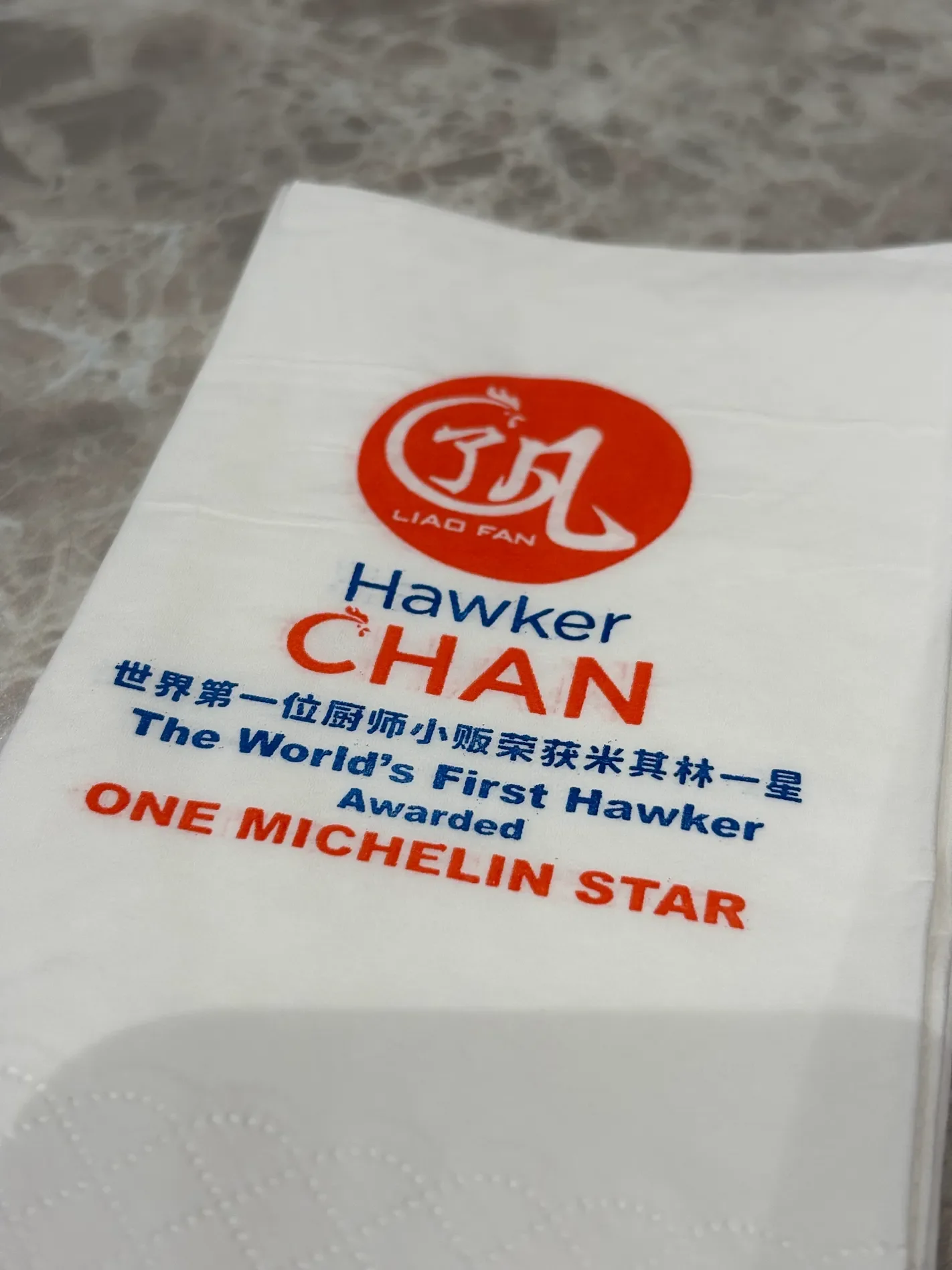
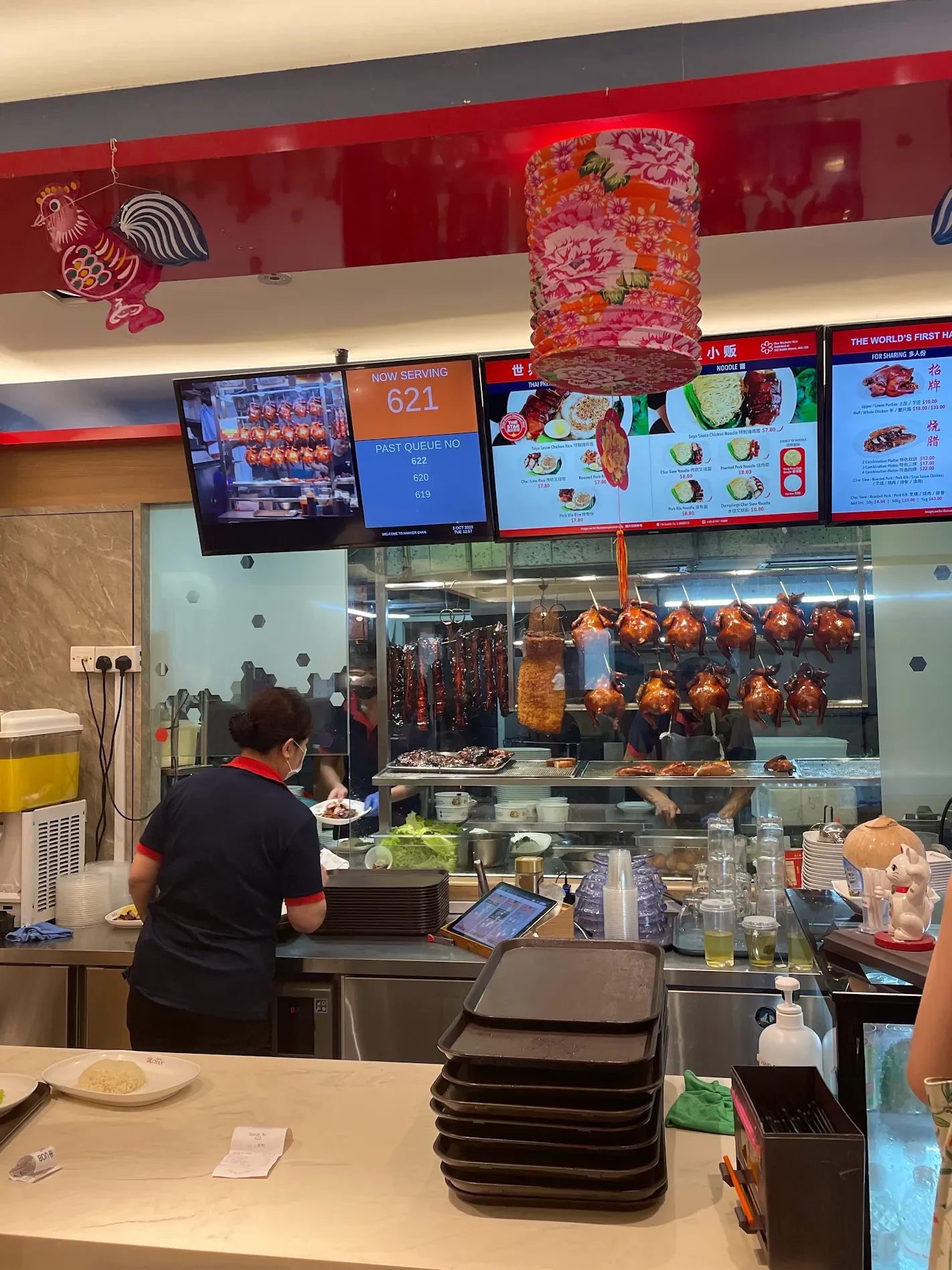
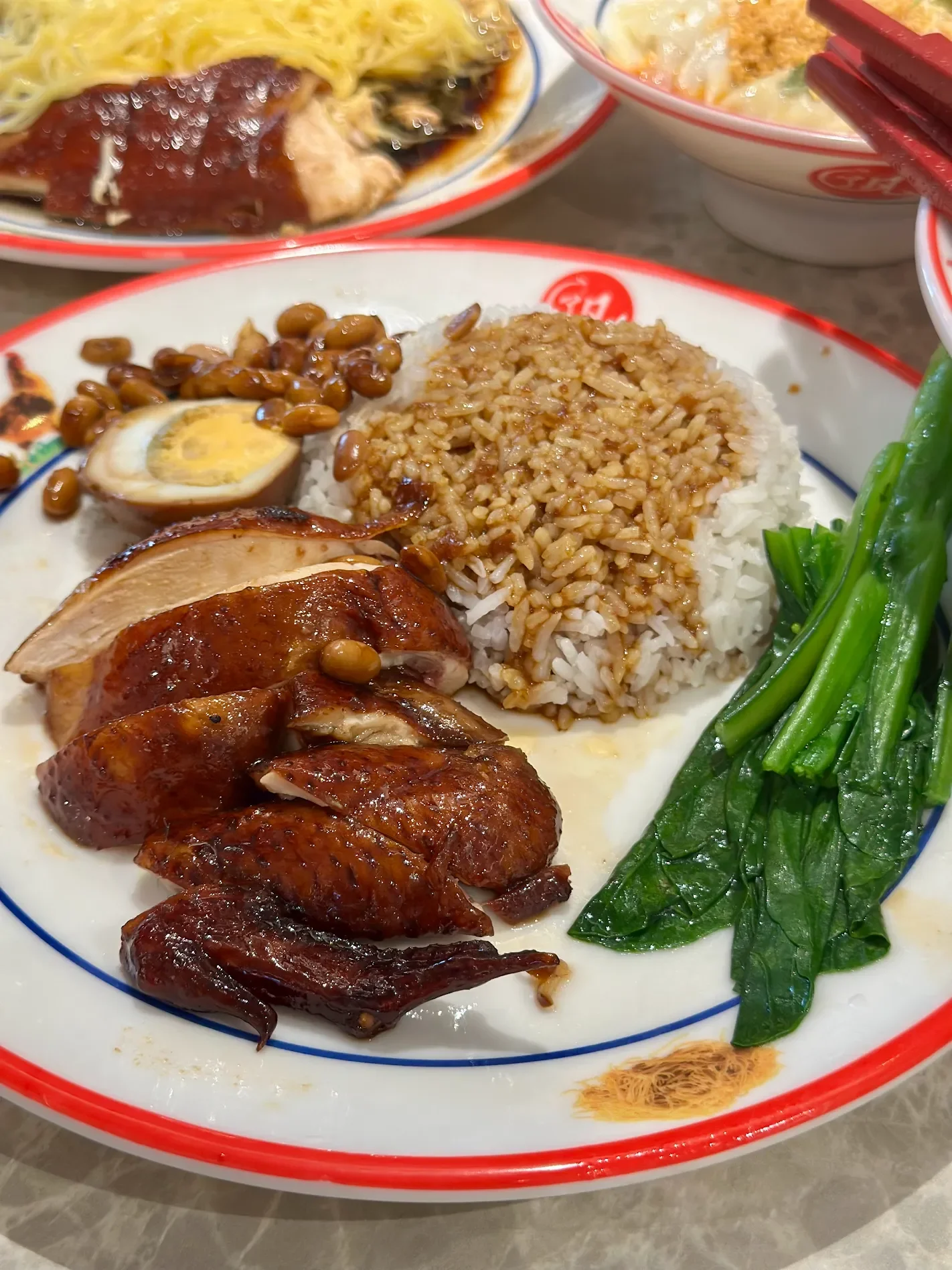
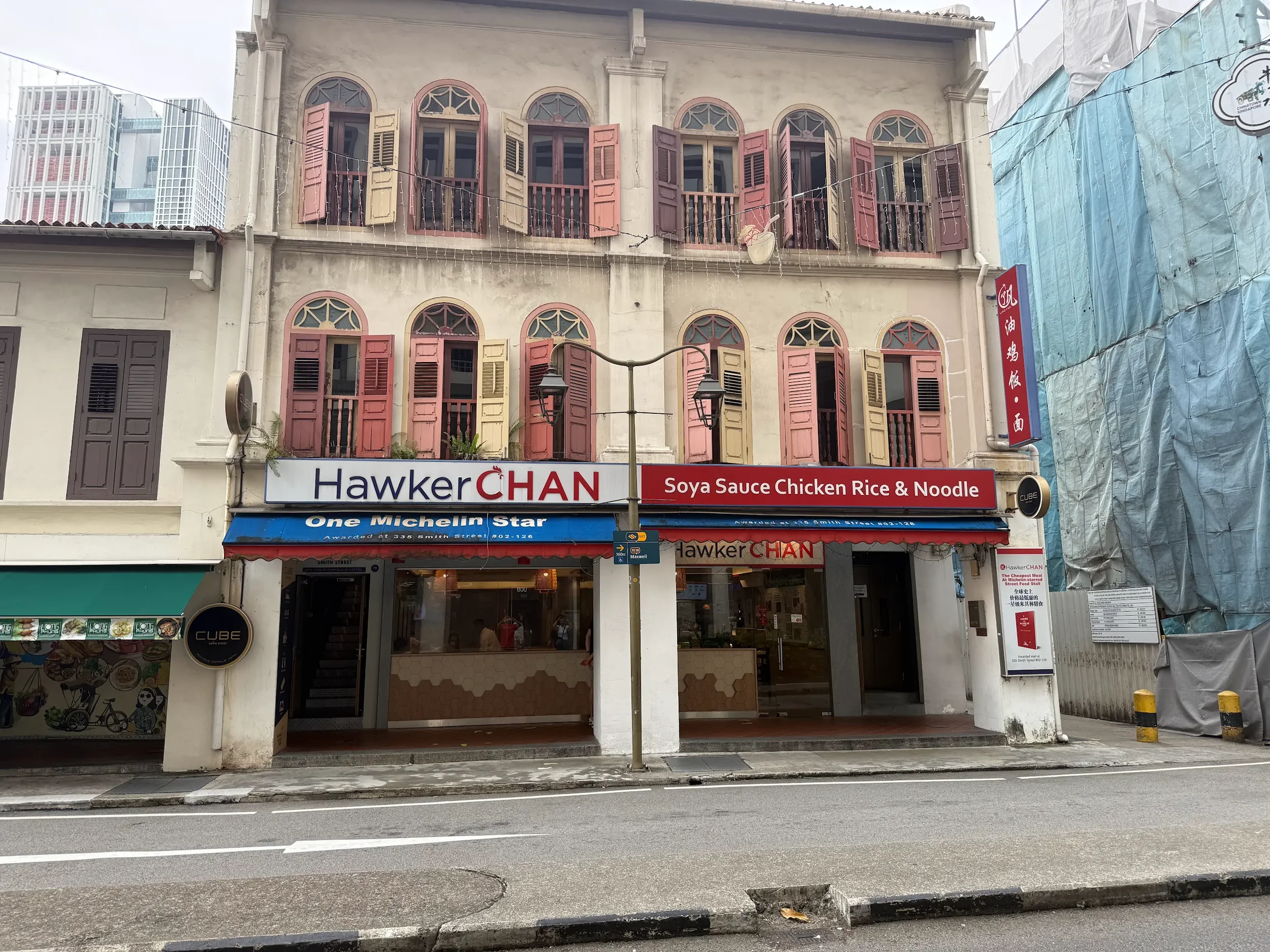
Hawker Chan began with Chef Chan Hon Meng’s soya sauce chicken rice stall in Chinatown Complex and became one of the most internationally recognised names in Singapore hawker food after earning a Michelin star in 2016.
Hawker Chan's story begins with one dish.
Soya sauce chicken rice.
Chef Chan Hon Meng opened Liao Fan Soya Sauce Chicken Rice & Noodle at Chinatown Complex Food Centre in 2009, serving chicken prepared with a recipe shaped by the Hong Kong-style cooking he had learnt earlier in his career.
Then, in 2016, Michelin arrived.
The stall received one Michelin star, turning a humble plate of soya sauce chicken rice into one of the most talked-about meals in Singapore.
For a period, it was widely described as the world's cheapest Michelin-starred meal.
The recognition transformed both Chan's career and the scale of the business.
Today, Hawker Chan exists as both the original Chinatown hawker stall and a broader restaurant brand, with its Chinatown restaurant at 78 Smith Street serving the same core combination of chicken, char siew, roast pork, rice and noodles in a more conventional air-conditioned setting.
For more Singapore restaurant and hawker stories, browse The Cuisine Journal's Venues. The approved internal links used across TCJ are drawn from the site's current published collection.
Chan Hon Meng Started with a Hong Kong Recipe
Chan Hon Meng was born in Ipoh, Malaysia, into a farming family.
Cooking entered his life early through family meals before he eventually left home and began working in food.
An apprenticeship under a Hong Kong chef became especially important.
It was there that Chan learnt the foundation of the soya sauce chicken recipe that would later define his career. He continued adapting the technique over the years, developing his own braising liquid and accompaniments before opening his Chinatown stall in 2009.
The method sounds deceptively straightforward.
Chicken.
Soy sauce.
Rice.
But dishes this simple give the cook very few places to hide.
Texture matters.
Salt and sweetness matter.
The skin has to remain intact.
The meat cannot dry out.
The braising sauce has to penetrate sufficiently without overwhelming the chicken itself.
The Soya Sauce Chicken
The signature remains Soya Sauce Chicken Rice.
Hawker Chan's current menu also offers the chicken with noodles and hor fun, alongside Char Siew, Roasted Pork and Pork Rib combinations.
The chicken is prepared around a soy-based braising process that produces its characteristic dark, glossy skin.
The sauce leans sweet and savoury rather than heavily spiced.
Rice provides one format.
Springier noodles provide another.
Recent diners supplied to The Cuisine Journal continue to identify the soya sauce chicken as the defining dish, while char siew and roasted pork remain the other meats most frequently ordered alongside it.
Some customers prefer noodles precisely because they carry the sauce differently from rice.
That is a small choice, but an important one for a dish where sauce forms such a large part of the experience.
Then Michelin Changed Everything
In July 2016, Liao Fan Soya Sauce Chicken Rice & Noodle received one Michelin star in the inaugural Michelin Guide Singapore.
For a hawker stall, the recognition was extraordinary.
Michelin had traditionally been associated with formal restaurants, white tablecloths and tasting menus.
Chan was serving inexpensive chicken rice from a hawker centre.
The contrast generated international attention almost immediately.
Queues stretched for hours, and the stall became a destination not only for Singapore residents but for visitors arriving specifically to eat a Michelin-starred meal at hawker-centre prices.
The original Chinatown Complex stall would retain its star for several years.
That period turned Hawker Chan into something much larger than a neighbourhood food stall.
From Hawker Stall to Restaurant
The Michelin star created a practical problem.
Demand had exceeded what a tiny hawker stall could comfortably handle.
In October 2016, Chan partnered with Hersing Culinary to turn the concept into a quick-service restaurant brand.
The first restaurant opened nearby at 78 Smith Street, only a short walk from the original stall.
It provided air-conditioning, more seating and a system capable of serving significantly more diners.
That step fundamentally changed Hawker Chan.
It was no longer only a famous stall.
It was becoming a brand.
TCJ covers a number of Singapore venues that have similarly grown beyond a single original format. For example, Claypot Daddy at Changi Airport Terminal 2 looks at how a modern Singapore dining concept packages familiar comfort food for a much broader audience.
78 Smith Street
The Chinatown restaurant at 78 Smith Street remains one of the easiest ways to encounter Hawker Chan today.
Unlike the original stall inside Chinatown Complex, the Smith Street branch operates as a casual restaurant with indoor seating.
Customer material supplied to The Cuisine Journal reflects the restaurant's role as an accessible Chinatown stop.
Visitors mention quick service, air-conditioning, affordable meals and combinations designed to let diners sample several roasted meats in one sitting.
The atmosphere is naturally different from eating inside Chinatown Complex.
But the core menu remains recognisable.
Char Siew and Roasted Pork
Although soya sauce chicken receives almost all of the historical attention, Hawker Chan's menu is broader than chicken rice.
Char Siew provides the sweeter barbecue component.
Roasted Pork adds crisp skin and a much fattier texture.
Pork ribs provide another option, while the meats can be served over rice, noodles or hor fun.
Recent diners often order mixed combinations precisely because the meats behave differently.
Soya sauce chicken is soft and braised.
Char siew is sweet and roasted.
Roast pork introduces crisp crackling and layers of fat.
The meal becomes less about comparing similar proteins than moving between different Chinese roasting and braising traditions.
This kind of familiar, highly recognisable Asian comfort food also sits alongside a wider range of Singapore dining covered by TCJ, from Korea Culture Terminal 3 to more contemporary restaurant concepts such as Eden Restaurant on Orchard Road.
The Original Stall Still Matters
Hawker Chan's expansion could easily have made the original stall irrelevant.
It has not.
The stall remains at 335 Smith Street, #02-126 Chinatown Complex Market & Food Centre.
That is where Chan's international reputation began.
The distinction between the two Chinatown locations is worth understanding.
335 Smith Street is the hawker stall.
78 Smith Street is the restaurant.
They represent two stages of the same business.
One is the origin.
The other is the attempt to scale it.
Going Global
The restaurant partnership eventually took Hawker Chan outside Singapore.
The brand expanded internationally into markets including Taiwan, Malaysia, Thailand, Australia and the Philippines, among others.
That expansion made Chan one of the most globally recognisable individual hawkers Singapore had produced.
A plate developed at a tiny Chinatown stall had become a franchised restaurant product.
That transition also raised a difficult question.
How do you scale hawker food without changing what made it successful?
Consistency Becomes Harder at Scale
A hawker stall can revolve around one cook.
A chain cannot.
That difference becomes particularly important for dishes such as soya sauce chicken, where small changes in braising time, meat quality, holding temperature and sauce concentration can noticeably affect the result.
Recent diner material at the Chinatown restaurant is mixed.
Some visitors continue to describe tender chicken, flavourful roast pork and good value.
Others note inconsistencies involving temperature, portioning or service.
Those accounts should not be treated as a verdict on the restaurant.
They illustrate a larger challenge.
The moment a chef's personal dish becomes a multi-outlet system, consistency becomes an operational problem rather than simply a cooking problem.
That tension between individual craft and larger restaurant systems appears throughout Singapore's food scene. TCJ's Burnt Ends at Dempsey Hill, for example, looks at a very different restaurant where the chef's original technique also had to become part of a larger operation.
The Michelin Star Was Eventually Lost
Hawker Chan's Michelin story did not remain static.
The original stall was awarded one star for several years but lost it in 2021.
Chan's response was notable.
Rather than treating the loss as the end of the story, he continued operating and expanding.
In later interviews, Chan made clear that losing the star did not mean giving up.
That may be the more interesting chapter.
Winning a star can create attention overnight.
Continuing after the attention changes requires something different.
Michelin Is Only One Part of the Story
Hawker Chan will probably always be introduced through Michelin.
That is understandable.
The star changed the scale of Chan's career and helped alter international perceptions of what Michelin-recognised food could look like.
But it can also obscure what came before it.
A Malaysian-born cook learnt Cantonese-style roasting and braising from a Hong Kong chef.
He spent years refining a soya sauce chicken recipe.
He opened a tiny hawker stall.
People ate there before Michelin arrived.
And people continued eating there after the star disappeared.
That longer timeline matters.
Michelin made the world notice Hawker Chan.
It did not invent the chicken.
Hawker Food and the Meaning of Prestige
There was also something culturally significant about that 2016 award.
Singapore hawker food has always occupied an unusual position.
It is technically demanding but inexpensive.
Highly specialised but informal.
Deeply culturally important but traditionally separated from the prestige associated with fine dining.
Hawker Chan challenged that distinction simply by receiving the same symbol — one Michelin star — that could appear beside restaurants charging many times more.
The food did not suddenly become luxurious.
The institution evaluating it had widened its definition of what deserved recognition.
That moment helped make Chan's story larger than one plate of chicken rice.
For more on the range of restaurant formats shaping Singapore today, see The Cuisine Journal Collections and the wider TCJ Venues directory.
A Small Dish That Became a Global Brand
Hawker Chan today exists in several forms at once.
It is the original Chinatown Complex stall.
It is an air-conditioned restaurant on Smith Street.
It is a Singapore hawker success story.
It is an international franchise.
And it remains inseparable from one dark, glossy chicken prepared with a recipe Chan spent decades refining.
The Michelin star is part of that history.
So is losing it.
So is expanding.
So is continuing to serve meals afterward.
That is the more complete way to understand Hawker Chan.
Not simply as the place that once sold the world's cheapest Michelin-starred meal.
But as an example of what can happen when a very small hawker stall becomes far larger than the cook who originally stood inside it.
Hawker Chan Singapore
Restaurant: Liao Fan Hawker Chan
Chef-Founder: Chan Hon Meng
Cuisine: Chinese roasted meats / Soya Sauce Chicken Rice & Noodles
Signature Dish: Soya Sauce Chicken Rice
Website:Hawker Chan
Chinatown Restaurant:
78 Smith Street, Singapore 058972
Original Hawker Stall:
335 Smith Street, #02-126 Chinatown Complex Market & Food Centre, Singapore 050335
Explore More on TCJ:
The Cuisine Journal
TCJ Venues
TCJ Collections
Frequently Asked Questions
What is Hawker Chan famous for?
Hawker Chan is best known for Soya Sauce Chicken Rice, the dish that helped Chef Chan Hon Meng's original Chinatown hawker stall earn one Michelin star in 2016.
Who is Chef Chan Hon Meng?
Chan Hon Meng is the Malaysian-born chef and hawker behind Liao Fan Hawker Chan. He learnt the foundations of his soya sauce chicken preparation while working under a Hong Kong chef before opening his own Chinatown stall in 2009.
Was Hawker Chan really Michelin-starred?
Yes. The original Chinatown Complex stall received one Michelin star in 2016 and retained Michelin-star recognition through several subsequent editions before losing the star in 2021.
Does Hawker Chan still have a Michelin star?
No. The Michelin star was lost in 2021. The restaurant nevertheless continues operating.
Where is the original Hawker Chan?
The original Liao Fan stall is at 335 Smith Street, #02-126 Chinatown Complex Market & Food Centre.
What is the Hawker Chan restaurant at 78 Smith Street?
The Smith Street outlet is the restaurant version of Hawker Chan, created after the original stall's Michelin recognition to provide greater seating capacity and a more conventional quick-service format.
What else does Hawker Chan serve?
The menu includes Char Siew, Roasted Pork and Pork Rib served with rice, noodles or hor fun alongside the signature soya sauce chicken.
Is Hawker Chan expensive?
No. Recent customer material supplied to The Cuisine Journal still places most individual meals in the low-cost hawker and casual-dining range.