Chan Hong Meng: The Hawker Who Built a Career Around Soya Sauce Chicken
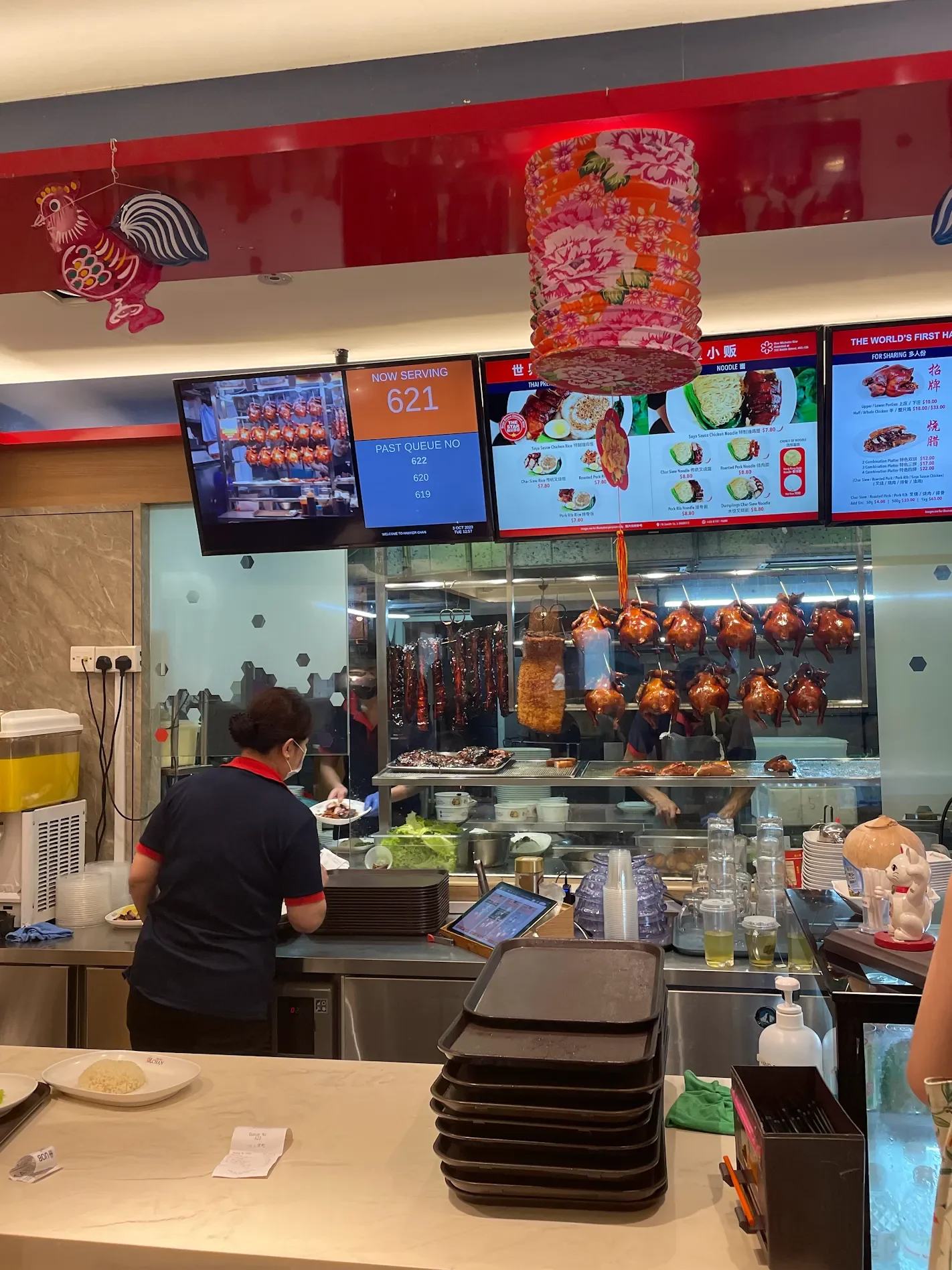
Long before Michelin inspectors arrived at Chinatown Complex, Chan Hong Meng had already spent decades learning how to make one deceptively simple dish well.
Soya sauce chicken.
It was not created for awards, luxury dining rooms or international expansion. It was hawker food: chicken cooked with soy and aromatics, chopped to order and served with rice or noodles at a price ordinary people could afford.
That philosophy — make simple food well, keep it affordable and repeat it consistently — would eventually take Chan from a two-square-metre hawker stall in Singapore to an international restaurant brand.
The Michelin star made him famous.
The years before it explain why.
From Ipoh to the Kitchen
Chan grew up in a kampong in Ipoh, Malaysia, in a farming family.
His parents raised livestock and grew produce, so food was part of daily life rather than something encountered only after it reached the kitchen. According to the official Liao Fan Hawker Chan story, preparing meals for the family helped develop his interest in cooking from an early age.
At 15, Chan left school and began working.
His culinary education was practical rather than academic. He started at the bottom, doing basic kitchen work before gradually learning more demanding tasks. Later, after moving to Singapore, he worked under an experienced Hong Kong chef who taught him the foundations of Cantonese roast meats and soya sauce chicken.
That period became particularly important.
Chan did not simply preserve what he was taught. Over time, he continued developing his own braising liquid, seasonings and preparation methods.
By the time he opened a stall of his own, soya sauce chicken was already the product of years of repetition.
A Hawker Stall of His Own
In 2009, Chan opened Liao Fan Soya Sauce Chicken Rice & Noodle at Chinatown Complex Food Centre.
The stall was tiny.
Its menu revolved around the kind of Cantonese food Singaporeans already knew well: soya sauce chicken, char siew, roast pork, rice and noodles.
There was little attempt to make the food fashionable.
Instead, Chan concentrated on execution.
The tenderness of the chicken mattered. The skin mattered. The balance of the braising liquid mattered. The seasoning of the rice mattered.
His own philosophy, as described by Liao Fan Hawker Chan, centres on the idea that good food can remain both simple and affordable.
That principle is useful for understanding everything that followed.
Chan was not trying to transform inexpensive hawker food into something resembling fine dining.
He was trying to make inexpensive hawker food exceptionally well.
The Dish That Defined His Career
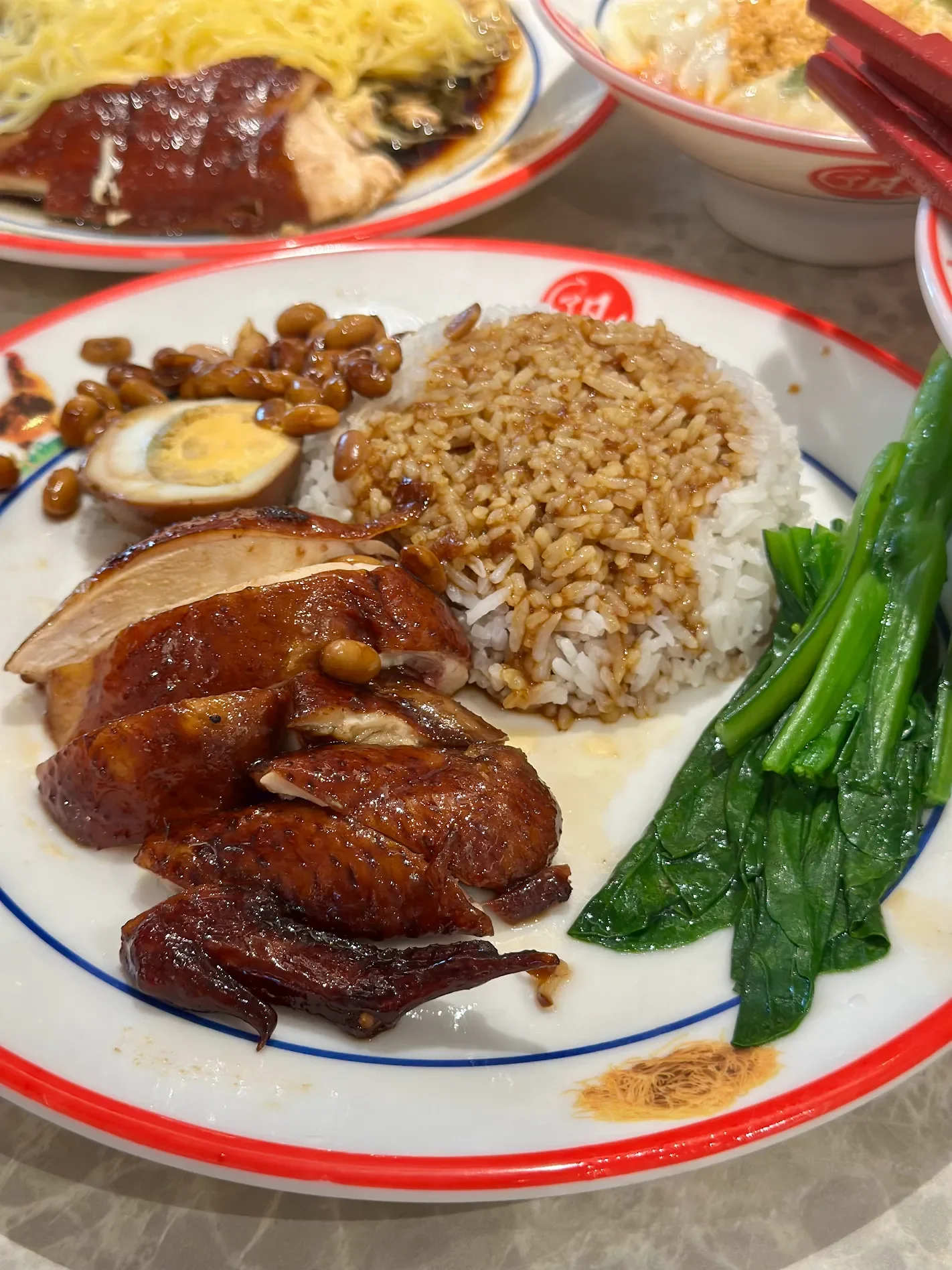
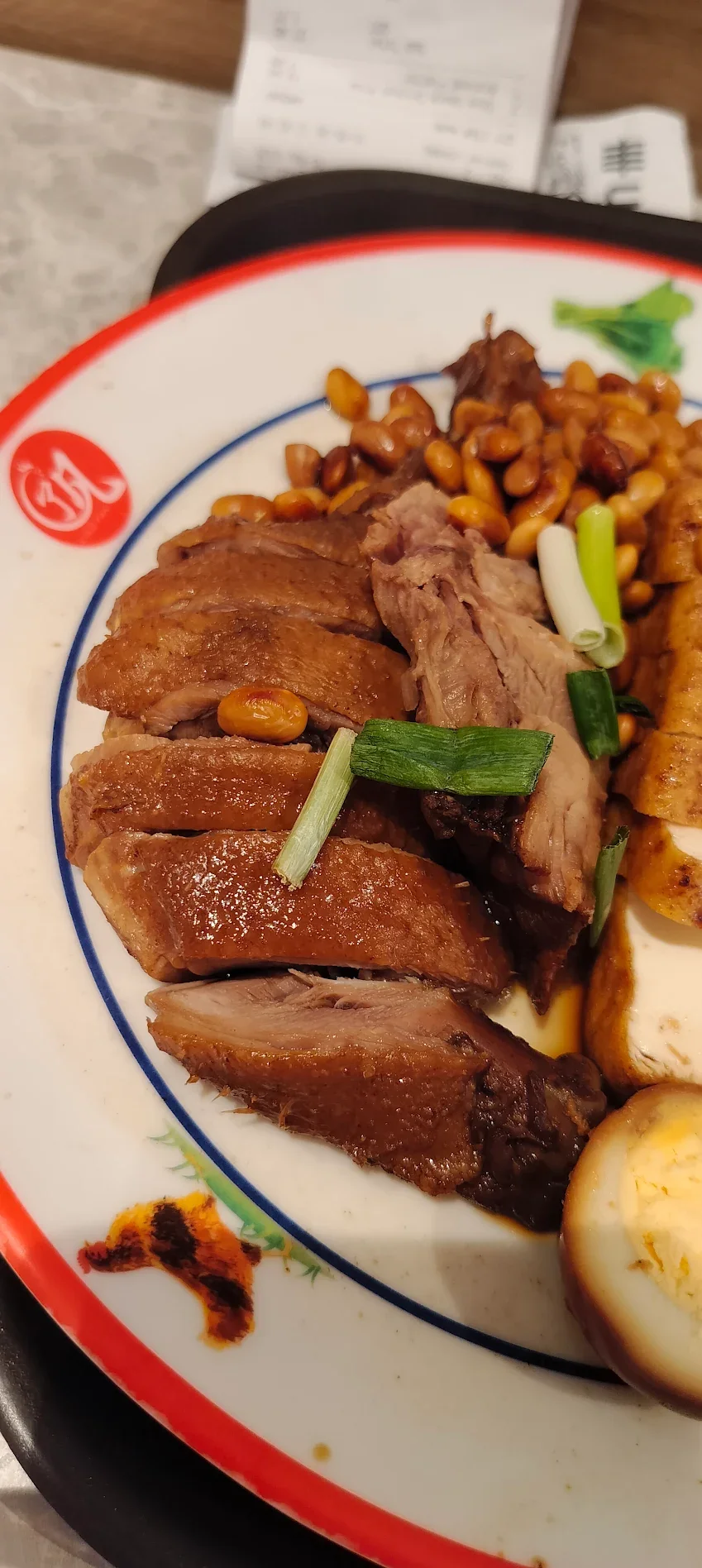
The dish most closely associated with Chan remains his soya sauce chicken.
Its appearance is straightforward: dark, glossy chicken, chopped into pieces and served with rice or noodles, sauce and chilli.
The technique belongs to the Cantonese tradition of soy-braised poultry, but Chan's version became distinctive through repetition.
The braising liquid is central to the process. So is the long preparation required to achieve the tenderness and flavour he wants.
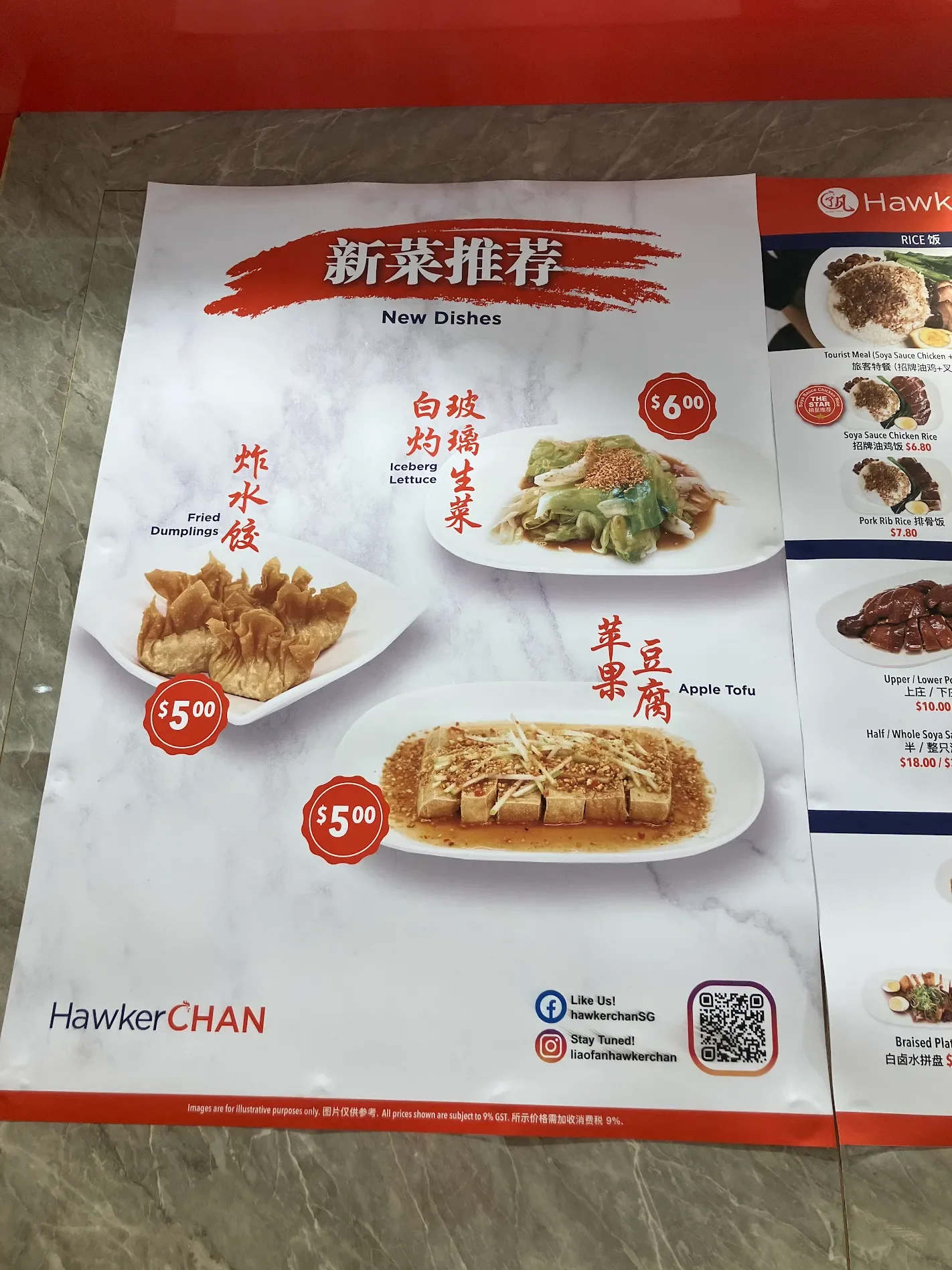
The current Hawker Chan menu still places soya sauce chicken at the centre of the brand, alongside char siew, roasted pork and pork ribs served with rice, noodles or hor fun.
It is a remarkably durable menu.
And that durability reflects Chan's approach.
He is not a cook whose identity depends upon constantly introducing something new.
His work is about refinement.
Make the dish.
Taste it.
Adjust it.
Then make it again.
Simple Food Is Not Easy Food
A plate of soya sauce chicken rice can look almost effortless.
It isn't.
Chan's preparation begins early. Sauces need to be prepared. Chicken needs to be marinated and braised. Timing has to be controlled repeatedly throughout the day.
The official Hawker Chan account describes hours of manual braising as part of his routine and emphasises his insistence on fresh ingredients and consistency in both flavour and quality.
That is important because hawker cooking is sometimes mistaken for easy cooking simply because the finished plate looks uncomplicated.
The opposite can be true.
A dish with relatively few components leaves very little room for error.
If the chicken is dry, the diner notices.
If the braise changes, regular customers notice.
If the rice is poorly cooked, there is nothing decorative on the plate to distract from it.
Simplicity makes consistency more important, not less.
When Michelin Arrived
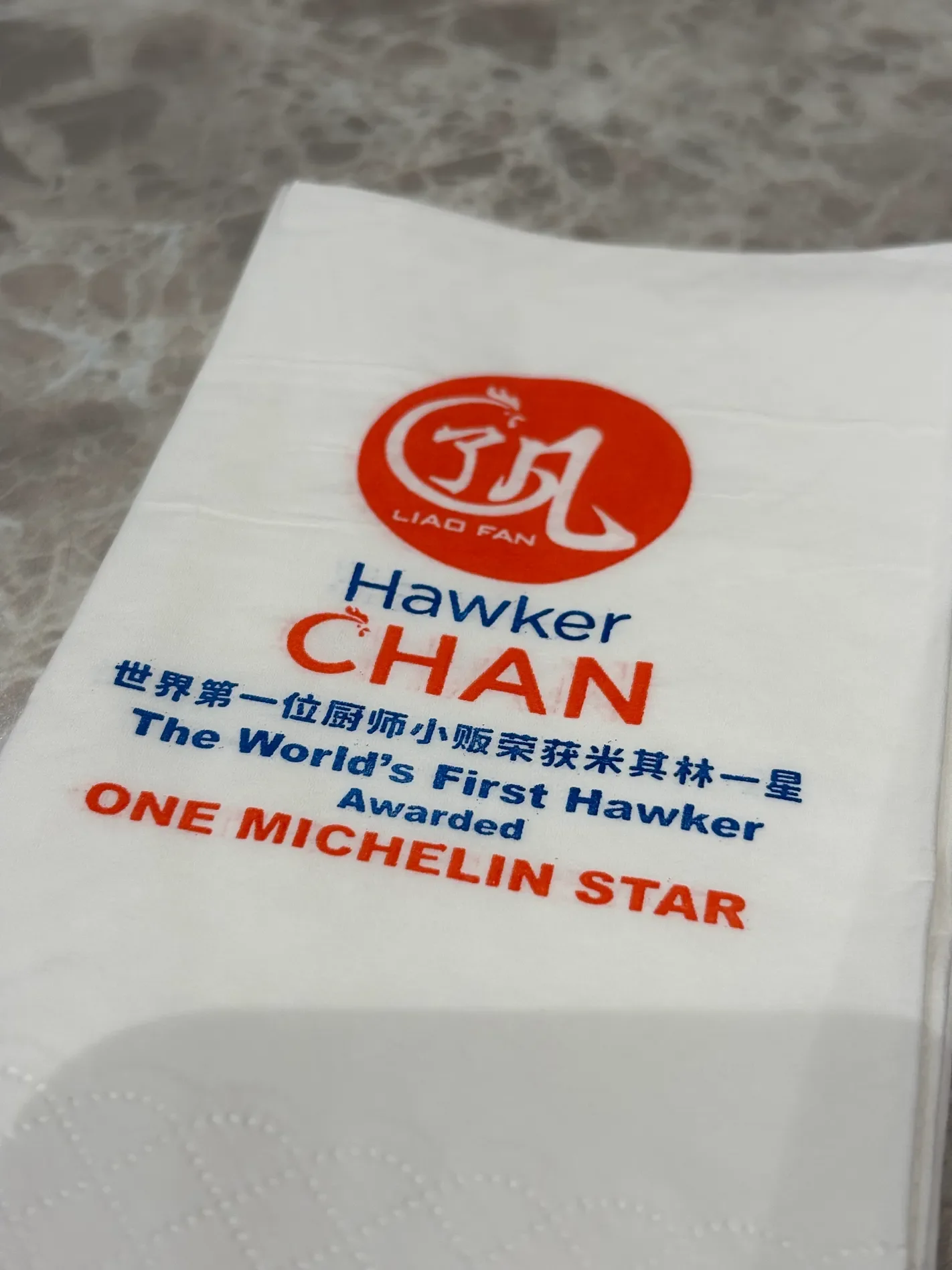
In July 2016, Singapore received its first Michelin Guide.
Chan's stall was awarded one Michelin star.
Alongside Hill Street Tai Hwa Pork Noodle, Liao Fan became part of a moment that changed how many international diners viewed Singapore's hawker culture.
Suddenly, one of the world's most recognised restaurant guides was giving the same star used for expensive restaurants to food served from a hawker stall.
A plate of Chan's chicken rice cost only a few dollars.
The international headlines followed quickly.
The stall became widely described as serving one of the world's cheapest Michelin-starred meals.
Queues became much longer.
Visitors arrived from overseas.
And Chan Hong Meng became globally known as Hawker Chan.
Yet one of the most revealing details came immediately afterwards.
The day after receiving the award, Chan returned to his normal work routine.
The star had changed his public reputation.
It had not changed the fact that the chicken still needed to be cooked.
From Liao Fan to Hawker Chan
The Michelin recognition opened a new chapter.
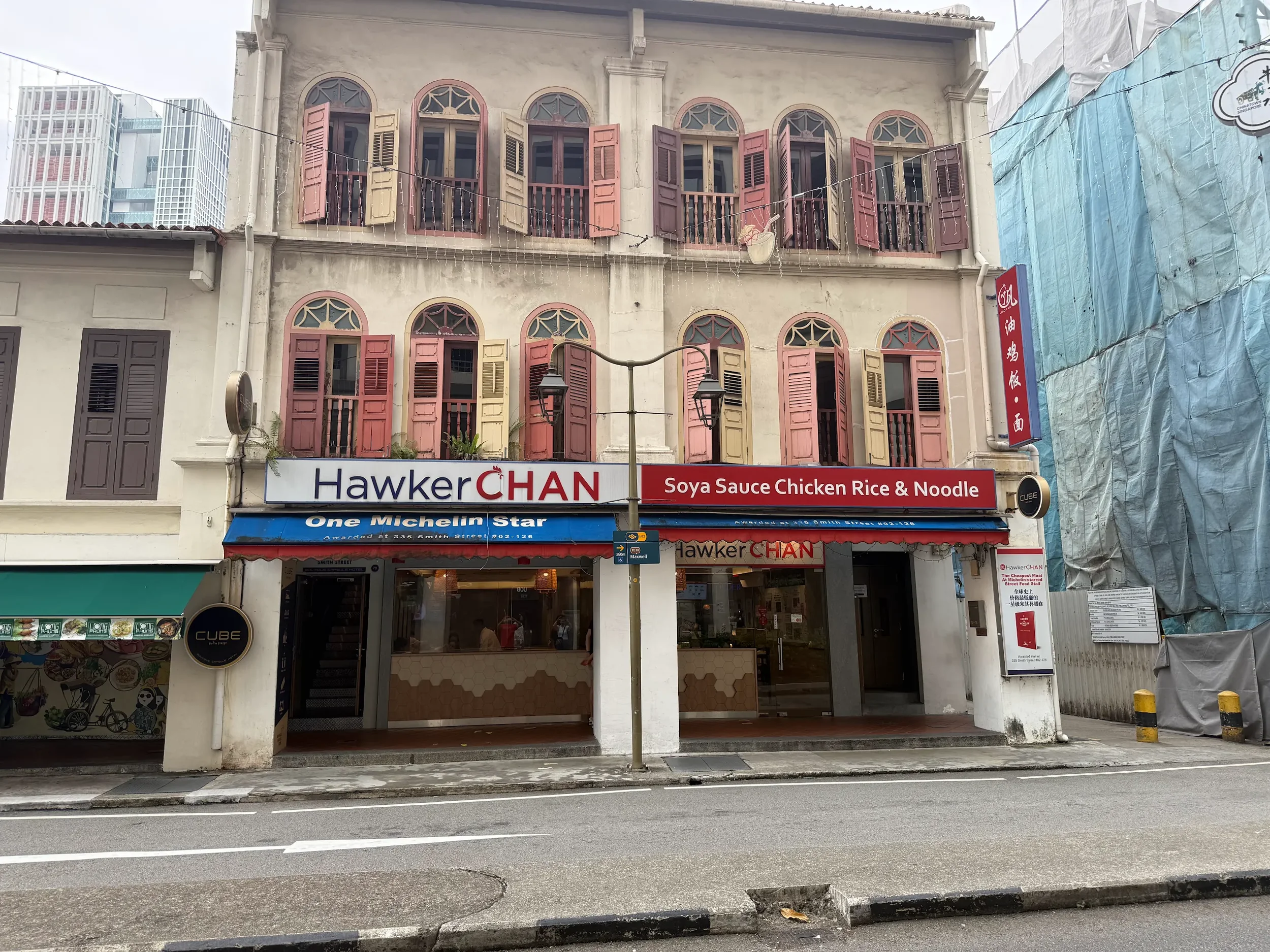
In October 2016, Chan entered a partnership with Hersing Culinary to develop his hawker concept into a quick-service restaurant business.
The name Hawker Chan became the vehicle for taking his food beyond Chinatown Complex.
The basic proposition remained intact: soya sauce chicken, char siew and roast meats served with rice or noodles.
But scaling the business introduced a completely different challenge.
A hawker can control almost everything personally.
A restaurant brand cannot.
Once outlets begin opening in other cities and countries, recipes need to become systems. Ingredients need specifications. Preparation methods need to be teachable. Other cooks must be able to reproduce a flavour originally developed through one man's experience.
That makes consistency even more significant.
Today, the Liao Fan Hawker Chan website presents Chan as a chef with more than 30 years of experience and continues to position his original dishes at the centre of the brand. Its listed locations extend beyond Singapore into markets including Taiwan, the Philippines, Kazakhstan, the United Arab Emirates and Laos.
The food that began in a small Chinatown stall had become something designed to travel.
Keeping Hawker Food Affordable
International growth could easily have changed the idea behind Chan's cooking.
Yet affordability has remained central to the way he describes it.
His philosophy is not that inexpensive food should somehow approximate luxury food.
It is that careful cooking does not inherently require luxury.
That distinction explains why his Michelin recognition resonated so strongly.
The unusual part was not simply that a hawker had received a star.
It was that a dish eaten routinely by ordinary people had received one.
Chan's success challenged the idea that culinary value can be measured by the price of a dining room, the complexity of plating or the number of components on the plate.
A chef could spend decades perfecting chicken, rice and sauce.
That could be enough.
Losing the Star
Hawker Chan retained Michelin recognition for several years, but in 2021 the original stall was no longer included among Singapore's Michelin-starred establishments.
For someone whose international identity had become closely tied to that distinction, the loss could easily have overshadowed everything that came before.
Chan did not stop.
Speaking to the South China Morning Post later, he described continuing to work despite losing the star.
That response fits the rest of his career.
Recognition matters.
But routine matters more.
The original Chinatown Complex stall continued operating, and the official Hawker Chan site still identifies it as the stall awarded a Michelin star from 2016 through 2019.
The Cook Behind the Michelin Story
It is difficult to discuss Chan Hong Meng without mentioning Michelin.
But the award can also distract from what makes his story worth telling.
Michelin arrived relatively late.
Before the star, before the international outlets and before the phrase "world's cheapest Michelin-starred meal", there was a cook spending years learning Cantonese techniques and gradually developing his own version of soya sauce chicken.
That is the more useful way to understand Chan.
His food philosophy is built around repetition, affordability and control.
Fresh ingredients.
A carefully prepared braise.
Chicken cooked to the right tenderness.
The same flavour tomorrow.
And then the same thing again the day after that.
Michelin showed an international audience that hawker food could receive the same formal recognition as far more expensive restaurant cooking.
Chan Hong Meng's career makes a different argument.
The value was already there.
Someone simply noticed it.