Sushi Sato Singapore: Yuji Sato’s Intimate Omakase Counter at Dempsey Hill
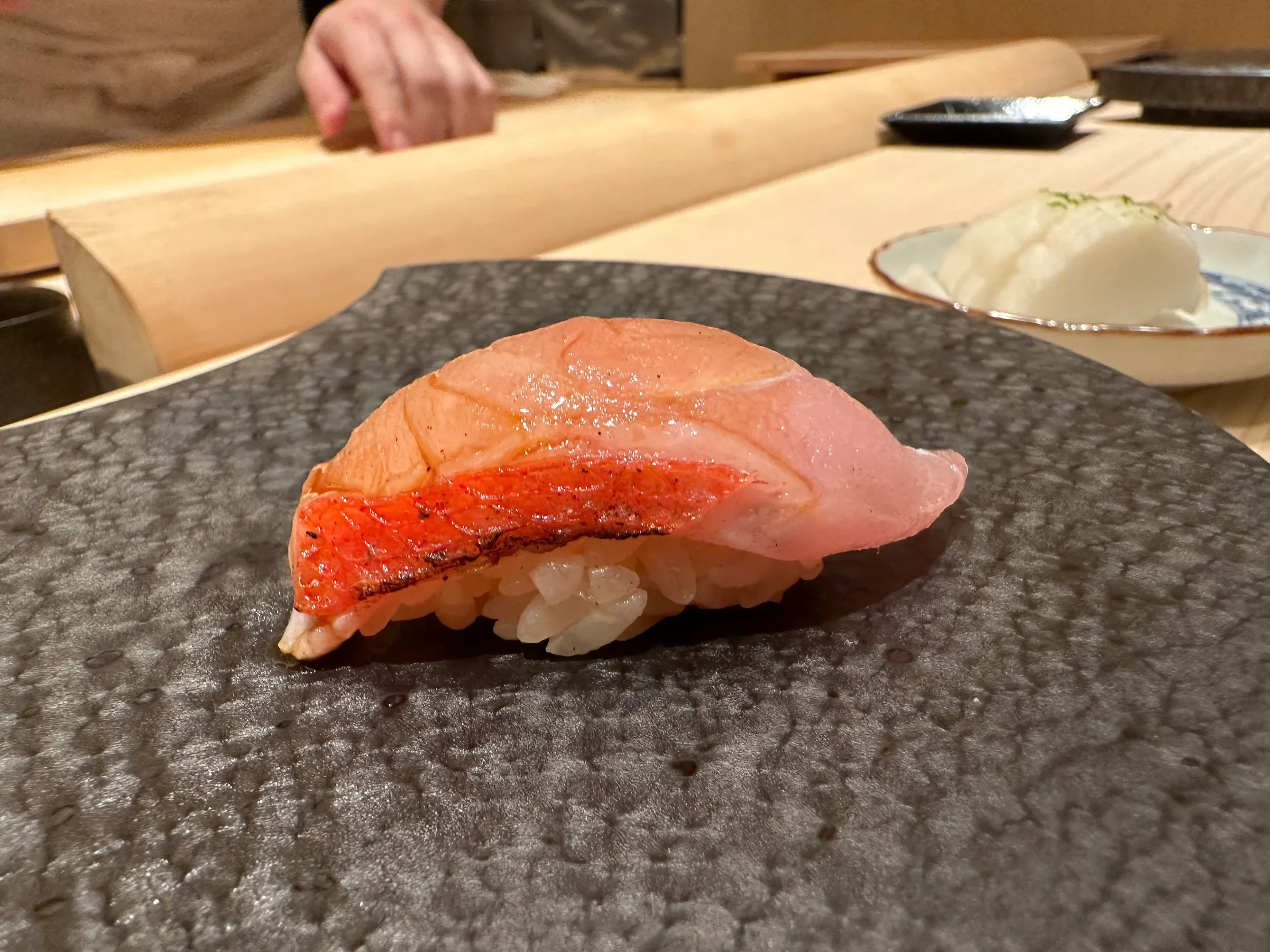
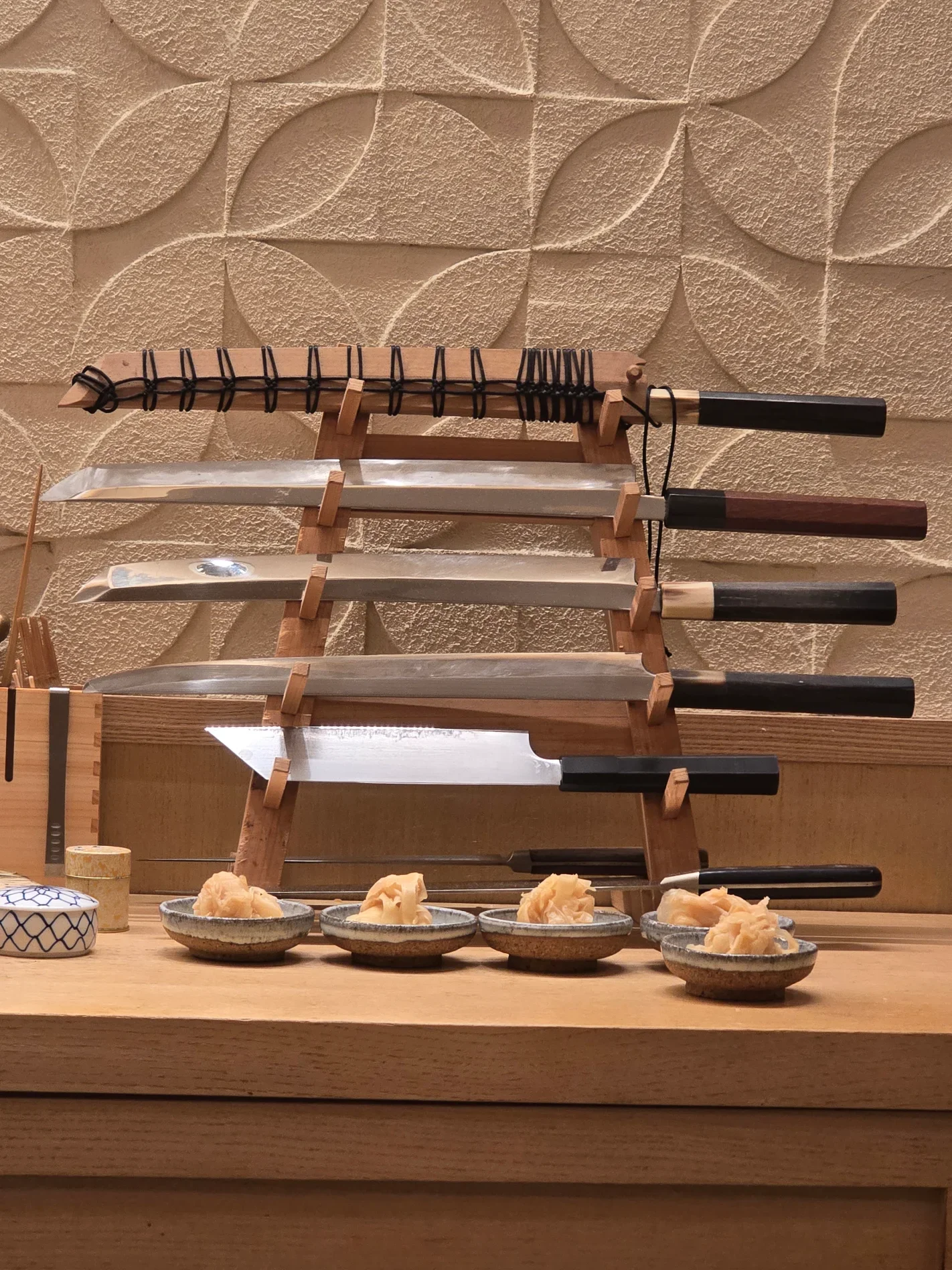
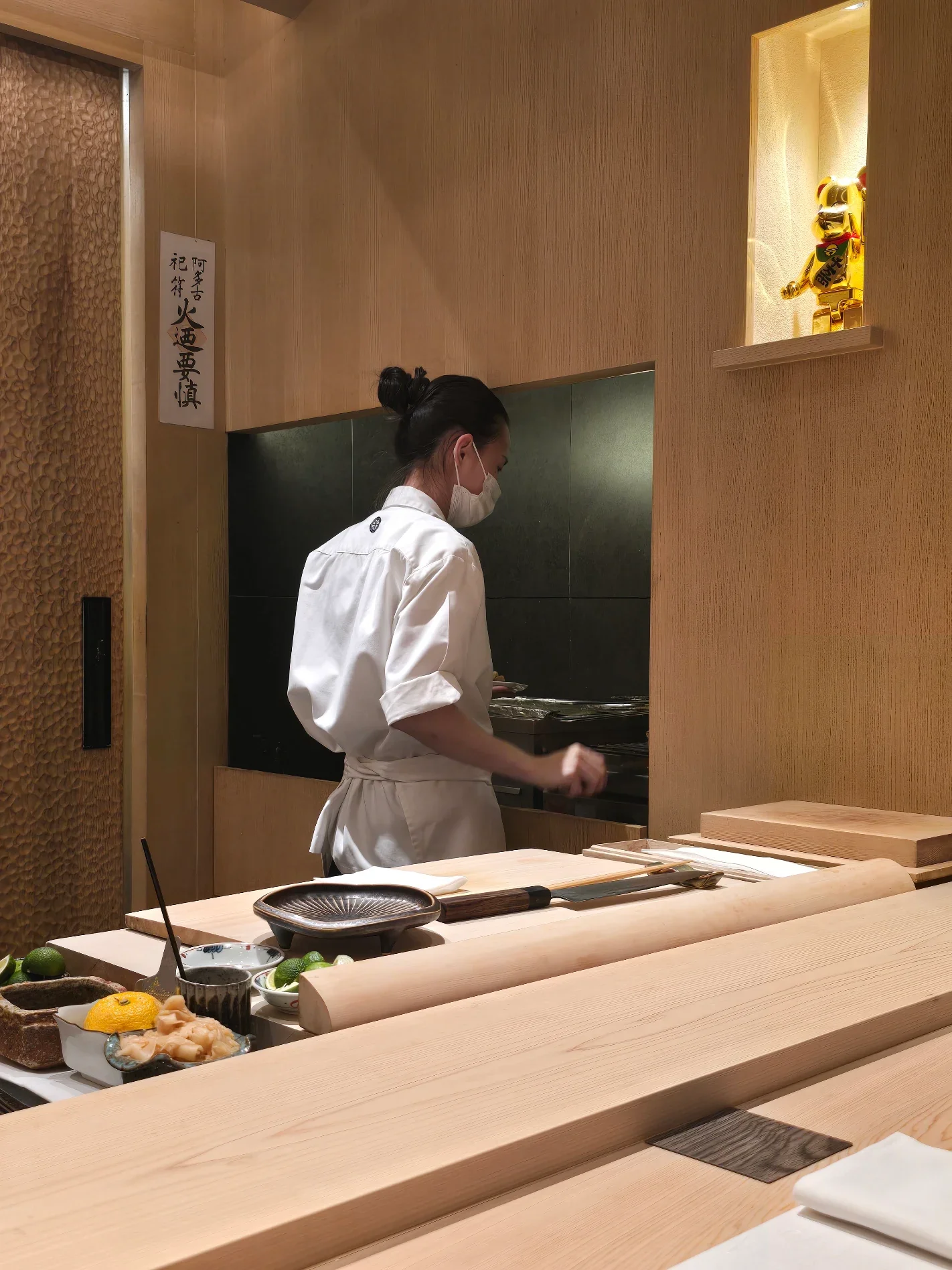
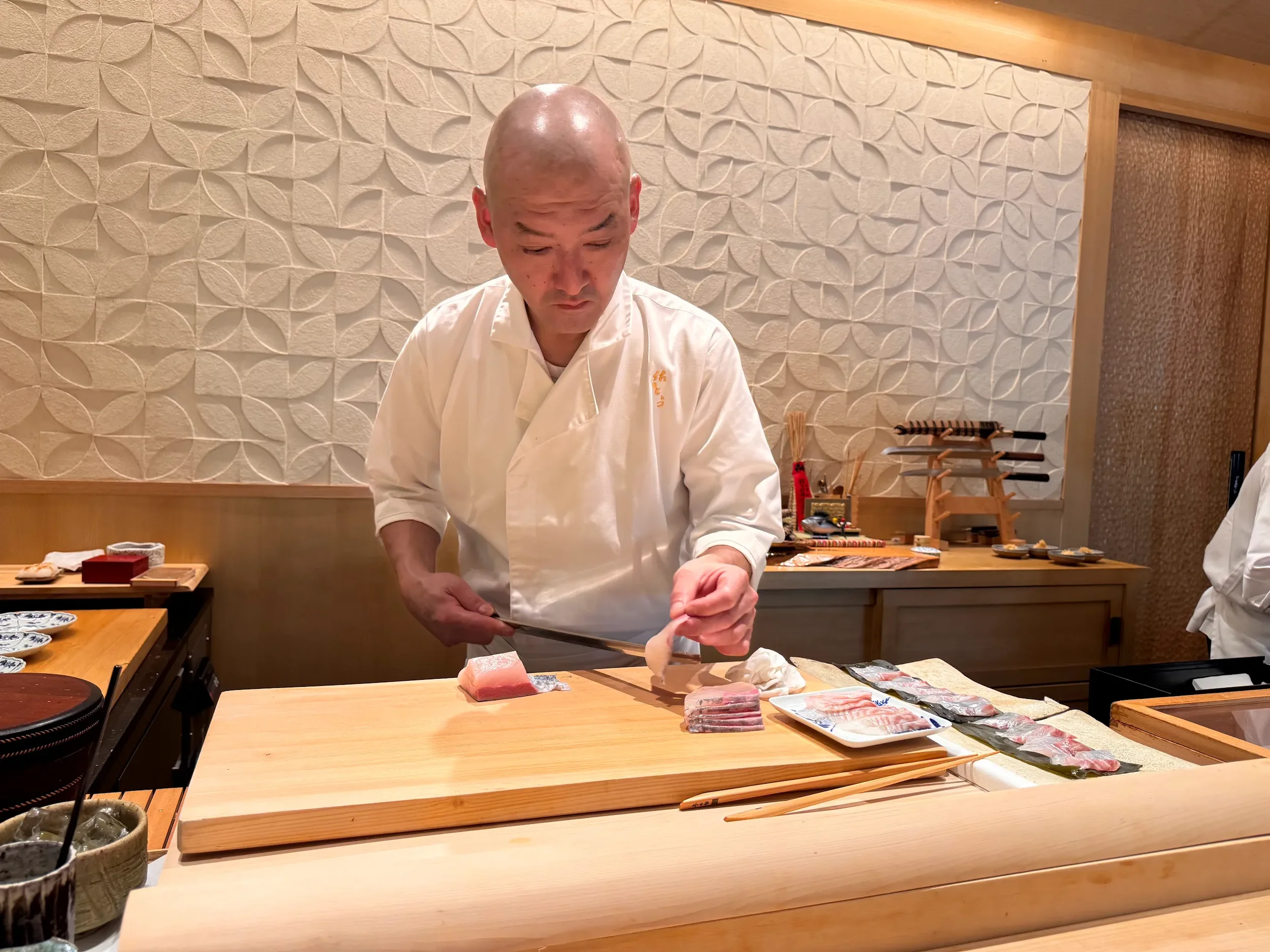
Sushi Sato at Dempsey Hill is Chef Yuji Sato’s namesake omakase restaurant, built around seasonal Japanese produce, Edomae technique and a small hinoki counter where the chef pays as much attention to the rhythm of the room as he does to the fish.
Sushi Sato is deliberately small.
Tucked into the greenery of Dempsey Hill at 6B Dempsey Road, the restaurant centres on an intimate sushi counter where Chef Yuji Sato works directly in front of the diners he is serving.
There is no à la carte menu.
Lunch and dinner are both omakase only, and the restaurant changes its menus according to the availability of seasonal produce flown into Singapore from Japan, particularly Hokkaido. (Sushi Sato)
That sounds like the familiar structure of a high-end Japanese sushi restaurant.
What makes Sushi Sato more distinctive is the person standing behind the counter.
Yuji Sato has spent more than three decades cooking professionally, beginning in Japan before moving to Singapore in 2013. His approach combines the discipline of traditional sushi with an unusually close awareness of the people sitting in front of him.
Read more about the chef in Yuji Sato: The Sushi Chef Who Watches the Room as Closely as the Fish.
From Hokkaido to Tsukiji
Yuji Sato was born in Obihiro, Hokkaido.
His culinary career eventually took him to Tokyo, where he trained at a sushi-ya in Tsukiji, the district historically associated with Tokyo's wholesale fish market.
That experience gave him an unusually direct education in seafood.
Working close to Tsukiji meant understanding not simply how to cut fish, but how to assess it before it ever reached the cutting board.
Species.
Fat content.
Season.
Origin.
Condition.
How long it should be aged.
How it should be handled.
Sushi Sato's official biography says those years helped Sato develop close relationships with suppliers in Japan, giving the restaurant access to rare and high-quality produce that can be difficult to secure consistently. (Sushi Sato)
He later worked in Sapporo before moving to Singapore.
By the time Sushi Sato opened, the restaurant represented something he had wanted for years:
a counter carrying his own name.
Omakase Begins with the Ingredient
Sushi Sato changes its menu quarterly.
The restaurant says the starting point is the produce available from Japan, with seasonal ingredients forming the basis of each new menu. (Sushi Sato)
This is important because omakase is sometimes misunderstood as simply a long chef-selected tasting menu.
The word roughly means “I leave it up to you.”
In a sushi restaurant, that trust is largely about ingredients.
The chef decides what is worth serving that day and how each item should be prepared.
One fish may be served almost untouched.
Another may require ageing.
Another might be cured with salt or vinegar.
Some appear as sashimi.
Others become nigiri.
Cooked courses can interrupt the sushi progression when the ingredient calls for it.
The structure is not necessarily fixed.
That flexibility appears repeatedly in diner accounts supplied to The Cuisine Journal, where guests describe sushi interspersed with chawanmushi, grilled fish, sashimi, fried seafood and seasonal cooked dishes.
Edomae Sushi Is More Than Raw Fish
Sushi Sato's cooking is rooted heavily in Edomae sushi.
The term originally referred to sushi from Edo — modern-day Tokyo — using seafood from the waters around the city.
Before refrigeration, chefs needed ways to preserve fish.
They salted it.
Marinated it in vinegar.
Simmered it.
Cured it.
Aged it.
Those preservation techniques eventually became part of sushi's flavour vocabulary even after refrigeration made many of them technically unnecessary.
That history still matters at contemporary sushi counters.
Edomae sushi is therefore not simply raw seafood placed over rice.
The chef decides how much intervention an ingredient needs before serving it.
Sometimes the correct answer is very little.
Sometimes preparation begins days before the diner ever sees the fish.
The Rice Matters Just as Much
Fish naturally receives much of the attention at an omakase restaurant.
The rice underneath it is equally important.
Nigiri depends on the relationship between netta, the topping, and shari, the seasoned sushi rice.
The temperature matters.
The vinegar matters.
The firmness of the grain matters.
So does the amount of rice used for each piece.
Recent guests at Sushi Sato repeatedly mention the balance between fish and rice, including the slightly firmer texture of the shari and Sato's willingness to adjust rice portions for individual diners.
That last detail says something important about his style.
Sushi may be governed by technique.
The diner is still part of the equation.
Watching the Room
This is where Sato's approach becomes particularly personal.
A sushi counter puts the chef in an unusual position.
Unlike a conventional restaurant kitchen, there is almost nowhere to hide.
The chef sees whether diners are talking.
Whether they are eating quickly.
Whether someone looks uncertain about an ingredient.
Whether they are becoming full.
Whether they want conversation.
Whether they would rather be left alone.
Those observations affect pacing.
Sato has spoken about adjusting the experience according to the people sitting in front of him.
For a deeper look at that side of his work, read Yuji Sato: The Sushi Chef Who Watches the Room as Closely as the Fish.
Recent diner accounts describe precisely this kind of counter experience: steady pacing, detailed ingredient explanations and service that remains attentive without constantly interrupting the meal.
Omakase may mean leaving the food to the chef.
At Sushi Sato, the chef is also reading the diner.
Hokkaido Remains Close to the Menu
Sato's birthplace continues to shape the restaurant.
Sushi Sato says fresh produce from Hokkaido forms an important starting point for its menus. (Sushi Sato)
Hokkaido occupies a particularly important place in Japanese seafood culture.
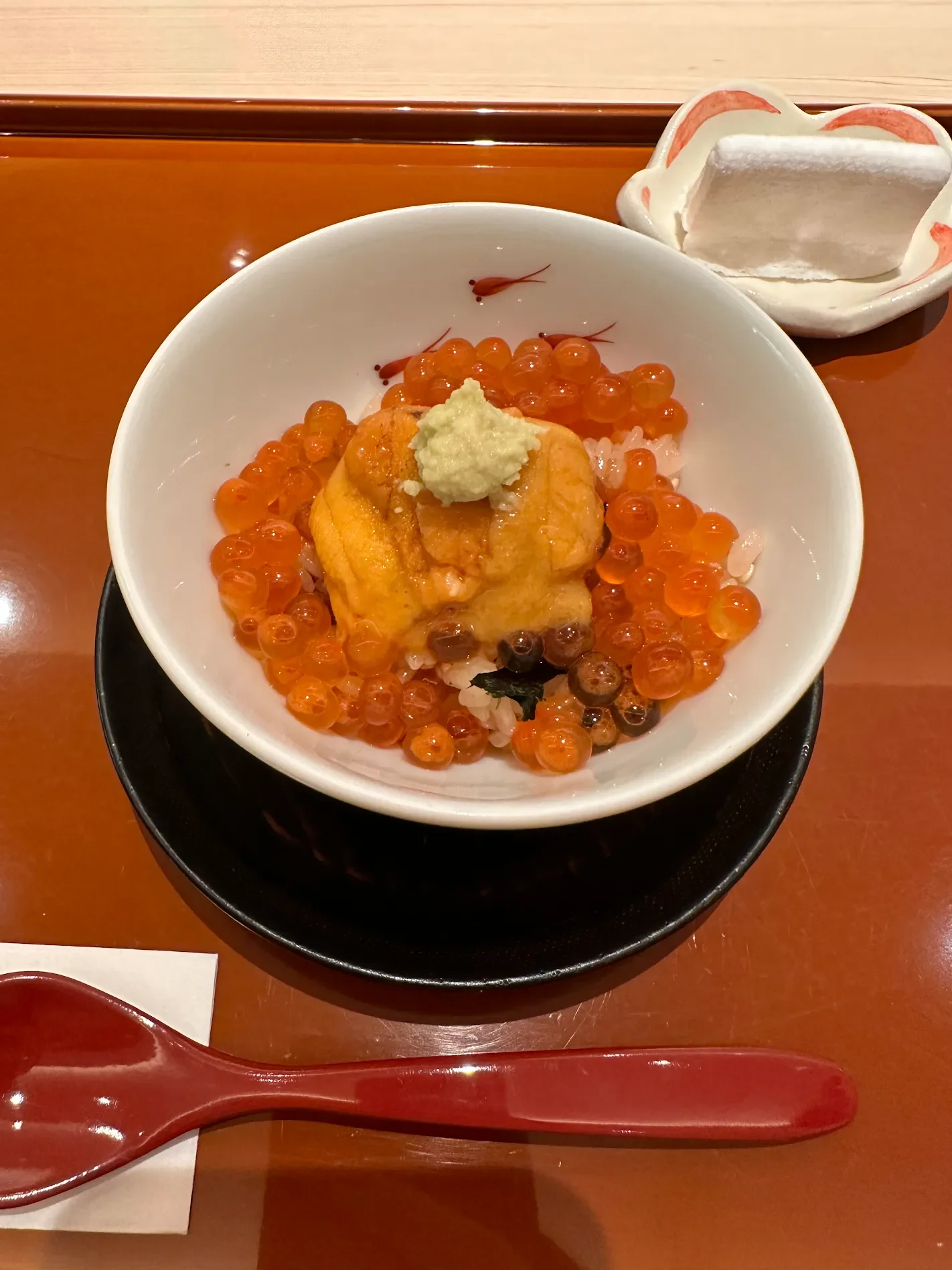
Its cold northern waters support crab, uni, scallops, salmon roe and numerous seasonal fish.
The island is also an important agricultural region, producing dairy, vegetables and other ingredients that regularly appear in Japanese restaurants.
Sato's supplier relationships give the restaurant a direct connection back to the place where his career began.
Diners have described staff explaining not simply the name of a fish but where in Japan it came from, including ingredients sourced from Hokkaido and Kyushu.
Provenance becomes part of the meal.
Ika Somen
One of Sato's dishes most closely associated with his personal style is ika somen.
The name describes squid sliced extremely finely so that the strands resemble somen noodles.
It is a deceptively simple preparation.
Squid texture changes dramatically depending on how it is cut.
Too thick and it can become chewy.
Cut finely enough and the texture becomes much more delicate while the sweetness of the squid becomes more prominent.
Sushi Sato's Japanese biography identifies ika somen as one of Yuji Sato's representative dishes and connects it with his interest in combining established tradition with continual exploration. (Sushi Sato)
It is a useful example of his cooking.
There is no elaborate reconstruction.
The technique exists to make the ingredient clearer.
Cooked Dishes Between the Sushi
Sushi Sato is not exclusively a sequence of nigiri.
Omakase menus can include chawanmushi, sashimi, grilled fish, simmered dishes and fried preparations before and between the sushi courses.
Recent diners have mentioned dishes involving shirako, matsutake, abalone, baby tuna, grilled kinki, deep-fried sayori and ankimo alongside the nigiri progression.
These dishes broaden the restaurant's expression of Japanese seasonality.
A fish suitable for nigiri may be treated one way.
A fattier or more structured fish may make more sense over charcoal.
Shellfish can appear steamed.
Liver can become a sauce.
The omakase format allows the kitchen to decide which preparation best suits each ingredient rather than forcing everything into the same sushi format.
The Hinoki Counter
The physical centre of Sushi Sato is its hinoki counter.
The restaurant imported high-grade Japanese hinoki cypress for the counter, using timber it describes as approximately 200 years old. (Sushi Sato)
Hinoki has a distinctive pale appearance and natural fragrance.
It is commonly associated with Japanese baths, temples and high-end interiors because the wood's scent and tactile qualities become part of the surrounding environment.
At a sushi restaurant, the counter matters particularly because diners spend the entire meal sitting directly against it.
There is very little separation between the food, the chef and the surface where each piece is served.
The counter is consequently not simply furniture.
It frames the entire experience.
A Small Room in Dempsey
Sushi Sato takes its design cues from the greenery surrounding Dempsey Hill.
The restaurant uses carved leaf motifs and cream and pink tones referencing Japan's cherry blossom season. (Sushi Sato)
The room remains intimate.
Diner accounts repeatedly mention the small main counter — historically described as around nine seats — and the quiet character of the restaurant.
This is an important contrast with Dempsey itself.
The wider area contains large restaurants, terraces and destination dining spaces.
Sushi Sato turns inward.
Once seated at the counter, almost everything is concentrated into a few metres:
the chef,
the fish,
the rice,
and the people eating it.
Lunch and Dinner Are Different Commitments
Sushi Sato currently operates several omakase levels.
Lunch begins with Utsukushi at S$188, followed by Tomi at S$250, while the Chef's Special is priced at S$350.
Dinner begins with Kokoro at S$420, with the Chef's Special at S$480.
Prices exclude GST and service charge, and individual ingredients remain subject to seasonal availability. (Sushi Sato)
The lunch options provide a somewhat shorter entry into the restaurant's style.
Dinner allows for a longer progression and a broader range of seasonal ingredients.
The structure changes.
The underlying idea does not.
The chef decides what should be served.
Omakase Without an À La Carte Escape Route
Sushi Sato does not offer an à la carte menu.
The restaurant's dining policy makes that explicit.
Every diner therefore agrees to the fundamental logic of omakase before arriving.
That requires a certain degree of trust.
There may be ingredients a diner has never eaten.
There may be cuts they would not normally choose for themselves.
The sequence may not arrive in the order they expect.
The trade-off is that the menu can be constructed as a whole instead of as a collection of independent dishes.
For diners who enjoy that relationship between chef and guest, the counter becomes almost conversational.
Not necessarily through words.
Through courses.
Seasonality Means Returning to a Different Restaurant
Because Sushi Sato changes its menu quarterly, a return visit in another season can produce a substantially different meal.
Japanese seafood is strongly seasonal.
Spring brings different fish and shellfish from winter.
Summer changes fat levels and texture.
Autumn introduces another group of ingredients.
Crab seasons shift.
Uni regions change.
The quality of particular fish rises and falls throughout the year.
This is one reason diners supplied to The Cuisine Journal frequently mention returning for a winter or seasonal menu rather than simply returning for the same favourite dishes.
At this kind of restaurant, inconsistency in the menu is intentional.
The ingredient changes.
So the menu should change with it.
Sushi as Hospitality
Sushi Sato can easily be described through luxury ingredients.
Uni.
Otoro.
Rare seasonal fish.
Japanese produce flown into Singapore.
Those things matter.
But they do not completely explain the restaurant.
At a counter this small, hospitality becomes part of the chef's technique.
The sushi has to be correct.
But so does the speed at which it arrives.
The amount of rice.
The conversation.
The pauses.
The awareness of whether someone wants another piece or has reached the end of the meal.
That is why Yuji Sato's approach is worth understanding beyond the ingredients themselves.
Read more about Yuji Sato and why he watches the room as closely as the fish.
At Sushi Sato, omakase does not simply mean giving control to the chef.
It means trusting that the chef is paying attention.
Sushi Sato Singapore: Quick Information
Restaurant: Sushi Sato 鮨 佐とう
Chef: Yuji Sato
Cuisine: Japanese / Edomae sushi / Omakase
Address: 6B Dempsey Road, Singapore 247662
Lunch: 12pm–3pm
Dinner: 6:30pm–10:30pm
Closed: Monday
Telephone: +65 8380 3830
Email: contact@sushi-sato.com
Website: Sushi Sato
Dining Policy: Sushi Sato Dining Policy
Read About the Chef: Yuji Sato: The Sushi Chef Who Watches the Room as Closely as the Fish — The Cuisine Journal
Frequently Asked Questions
What is Sushi Sato?
Sushi Sato is Chef Yuji Sato's namesake Japanese omakase restaurant at Dempsey Hill. It focuses on seasonal Japanese ingredients, sushi and cooked courses served through chef-selected lunch and dinner menus.
Who is Yuji Sato?
Yuji Sato is a Japanese sushi chef from Obihiro, Hokkaido, with more than 30 years of culinary experience. He trained at a sushi-ya in Tsukiji, Tokyo, later worked in Sapporo and moved to Singapore in 2013.
Read more in Yuji Sato: The Sushi Chef Who Watches the Room as Closely as the Fish.
Where is Sushi Sato?
Sushi Sato is located at 6B Dempsey Road, Singapore 247662, around a five-minute drive from Orchard Road. Free parking is available nearby.
Does Sushi Sato offer à la carte dining?
No. Sushi Sato serves omakase menus only for both lunch and dinner.
How much is Sushi Sato?
Current lunch menus begin at S$188++, with additional options at S$250++ and S$350++. Dinner begins at S$420++, while the Chef's Special is S$480++. Menus and ingredients are subject to seasonal availability.
What kind of sushi does Sushi Sato serve?
The restaurant's style is strongly informed by Edomae sushi, with seasonal seafood prepared using techniques including ageing, curing, grilling and careful seasoning before being paired with sushi rice.
Does Sushi Sato change its menu?
Yes. Sushi Sato says its omakase menus change quarterly according to the availability of fresh seasonal ingredients from Japan.
How large is Sushi Sato?
It is an intimate counter-focused restaurant. Recent diner accounts repeatedly describe a small main sushi counter and a quiet dining environment where guests can watch the chefs prepare each course.
What is special about the counter at Sushi Sato?
The counter is made from high-grade Japanese hinoki cypress, using timber the restaurant describes as approximately 200 years old.
Do I need a reservation for Sushi Sato?
Reservations are strongly advisable for the small omakase restaurant. Its dining policy also applies cancellation charges for bookings cancelled less than 48 hours before the reservation.