LAVISH: How a Singapore Caterer Turned the Buffet Into an Event
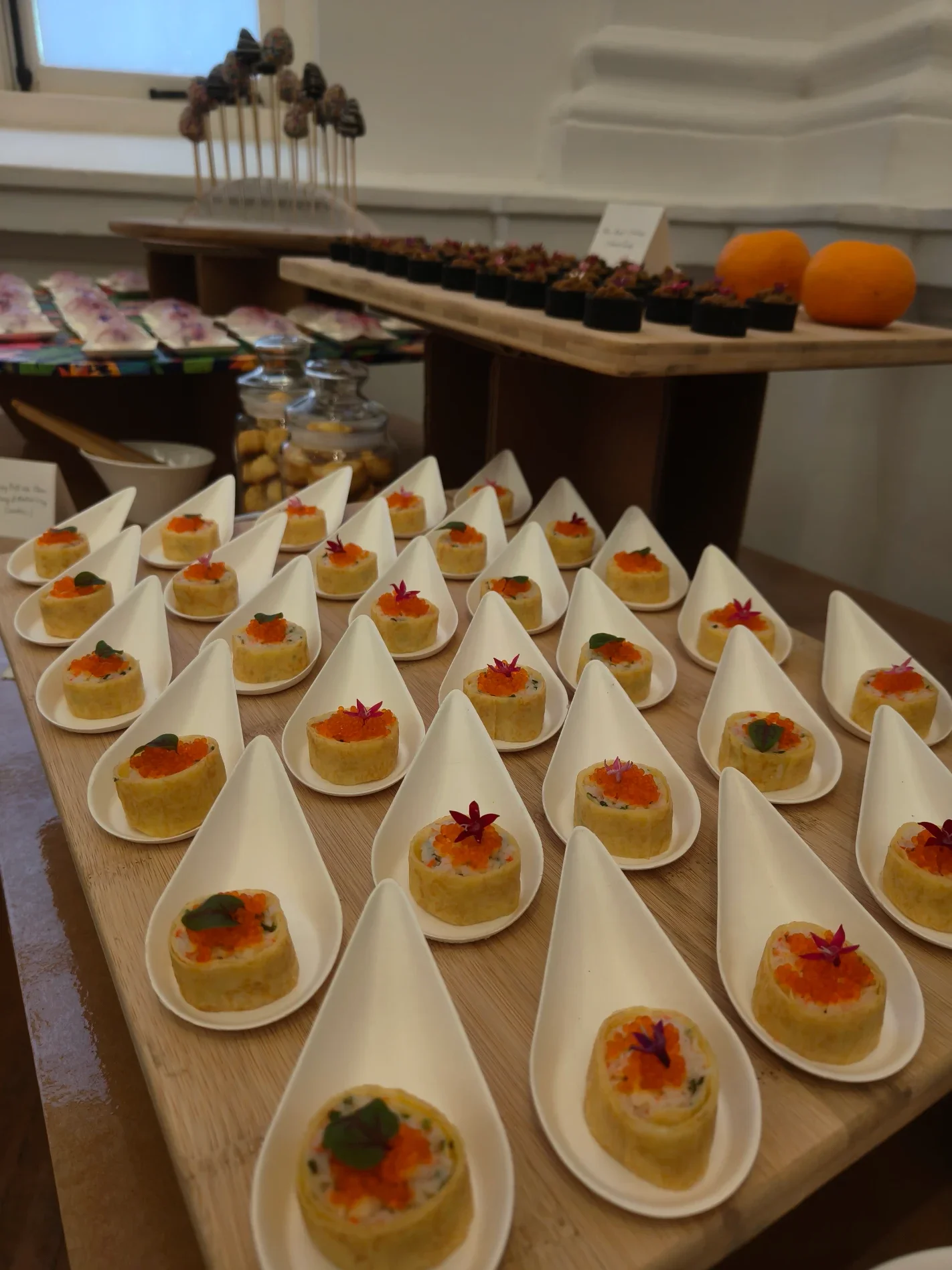
LAVISH has been catering events in Singapore since 1998, but describing it simply as a buffet caterer misses much of what the company now does. From corporate lunches and halal-certified buffets to weddings, live stations, canapés and plated dinners, LAVISH has built its identity around treating catering as part of the event itself — not merely the food delivered to it.
Catering has an image problem.
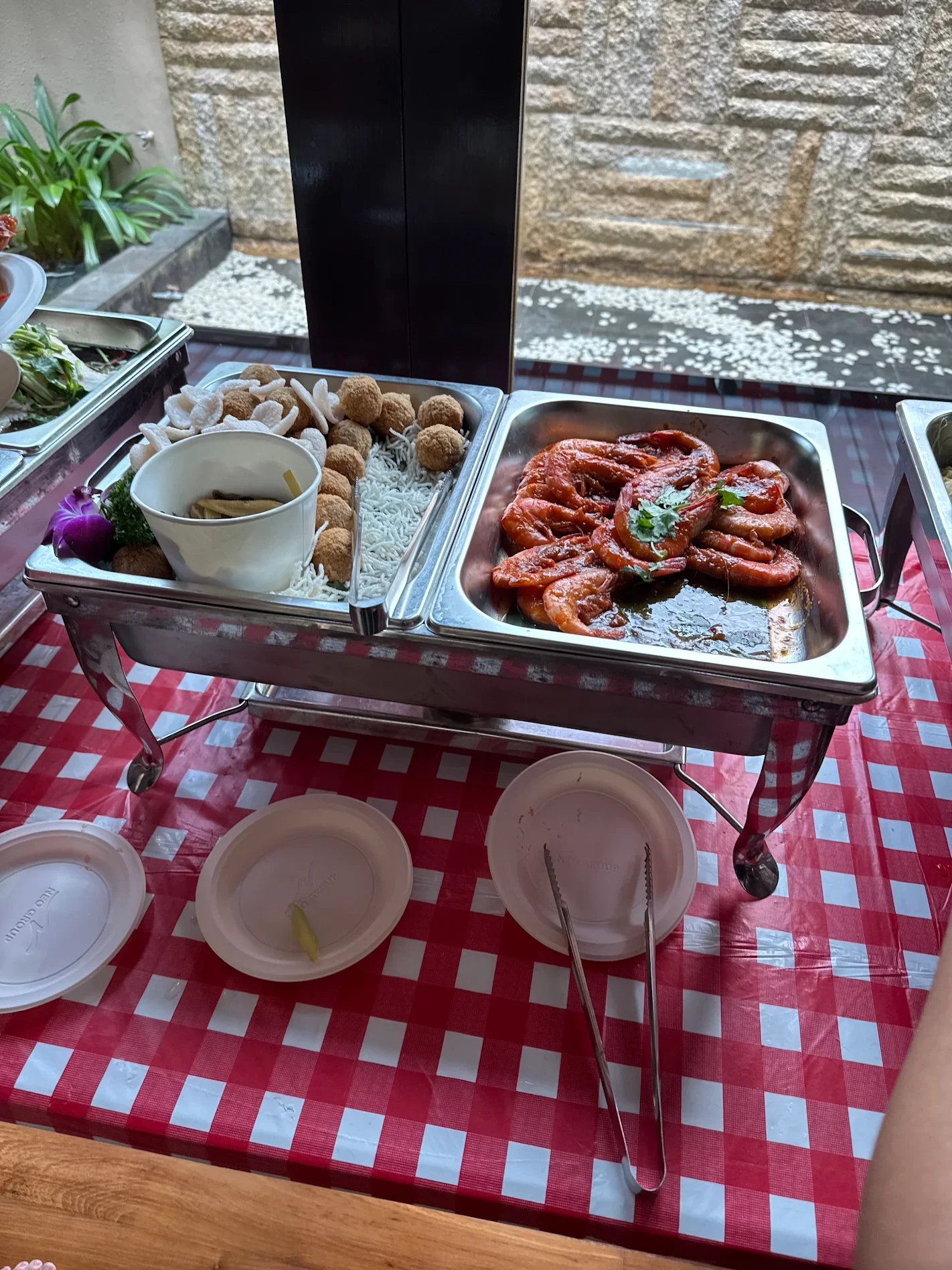
Mention the word and it is easy to picture stainless-steel chafing dishes arranged in a line, fried rice in one tray, chicken in another, disposable plates stacked at the end.
There is nothing inherently wrong with that.
Sometimes that is exactly what an event needs.
But LAVISH has spent more than two decades exploring how much further the format can go.
Established in Singapore in 1998, Lavish Dine Catering has expanded into corporate functions, weddings, MICE events, private celebrations, buffets, bento meals, live stations, canapés and cocktails, dessert tables and formal plated courses. The company is also MUIS halal-certified, which gives it considerable flexibility when catering for Singapore's diverse workplaces and events.
That combination — breadth, presentation and inclusivity — is probably the most useful way to understand LAVISH today.
Catering Is Different From Running a Restaurant
A restaurant knows where dinner is going to happen.
A caterer often does not.
One evening might involve a ballroom.
The next could be an office.
Then a private home.
Then an outdoor activation.
Then a wedding venue without the sort of kitchen infrastructure a restaurant chef would normally expect.
Food still has to arrive at the right temperature. Equipment has to appear. Tables must be dressed. Dietary requirements need to be accounted for. Service staff need to know what they are doing. Everything eventually has to disappear again.
This makes catering as much a logistics discipline as a culinary one.
LAVISH explicitly places that operational side of the business alongside its food, offering planning, setup and on-site coordination rather than treating delivery as the end of its responsibility.
Customer feedback supports that as one of the company's stronger areas.
Several clients describe using LAVISH for corporate functions and praising not only the food but the setup, responsiveness and ability of the team to accommodate changing requests. One customer who organised an off-site wedding specifically noted that the company managed to serve a Western and Italian-style plated dinner hot and fresh despite the venue not having a conventional kitchen.
That is the part of catering diners rarely see.
Dinner begins long before the buffet opens.
More Than One Kind of Buffet
The traditional buffet remains an important part of LAVISH.
But even here, there is considerable variation.
Current offerings extend across local, Peranakan, Western and Japanese-influenced menus, with larger buffet formats designed for weddings, celebrations and corporate events. The company says its full buffet menus can scale from around 30 guests into events numbering in the hundreds.
The more interesting question is what happens when a conventional buffet is not the right format.
LAVISH also offers mini buffets, individually packed bento meals, live stations, cocktail food, canapés and multi-course plated dining.
That matters because good catering should respond to the event rather than forcing every event into the same catering format.
A training seminar does not need the same service as a wedding.
A product launch does not eat like an office lunch.
A twelve-person executive dinner is not a 300-person town hall.
LAVISH's strength is the number of different answers it can offer to that problem.
For more businesses, restaurants and food destinations across Singapore, explore TCJ's Dining Venues.
Halal Certification Is More Important Than a Label on the Menu
For Singapore corporate catering, halal certification can fundamentally change how practical a caterer is.
LAVISH states that it is certified by the Islamic Religious Council of Singapore (MUIS), with its menus produced through its halal-certified catering operation.
The value is obvious when organising an event containing people from different backgrounds.
Instead of creating one principal menu and then solving inclusivity through a collection of separate meals, a halal-certified caterer can create a shared dining experience that already works for a much broader group.
LAVISH additionally says vegetarian, vegan and allergy-sensitive requirements can be accommodated, subject to the event and menu.
For corporate organisers, that can be almost as important as what is being served.
The best event menu is not particularly useful if a significant portion of the room cannot comfortably eat it.
The Food Is Often More Contemporary Than the Word "Catering" Suggests
LAVISH's menus tend not to remain within a single culinary tradition.
That is particularly visible in its seasonal offerings.
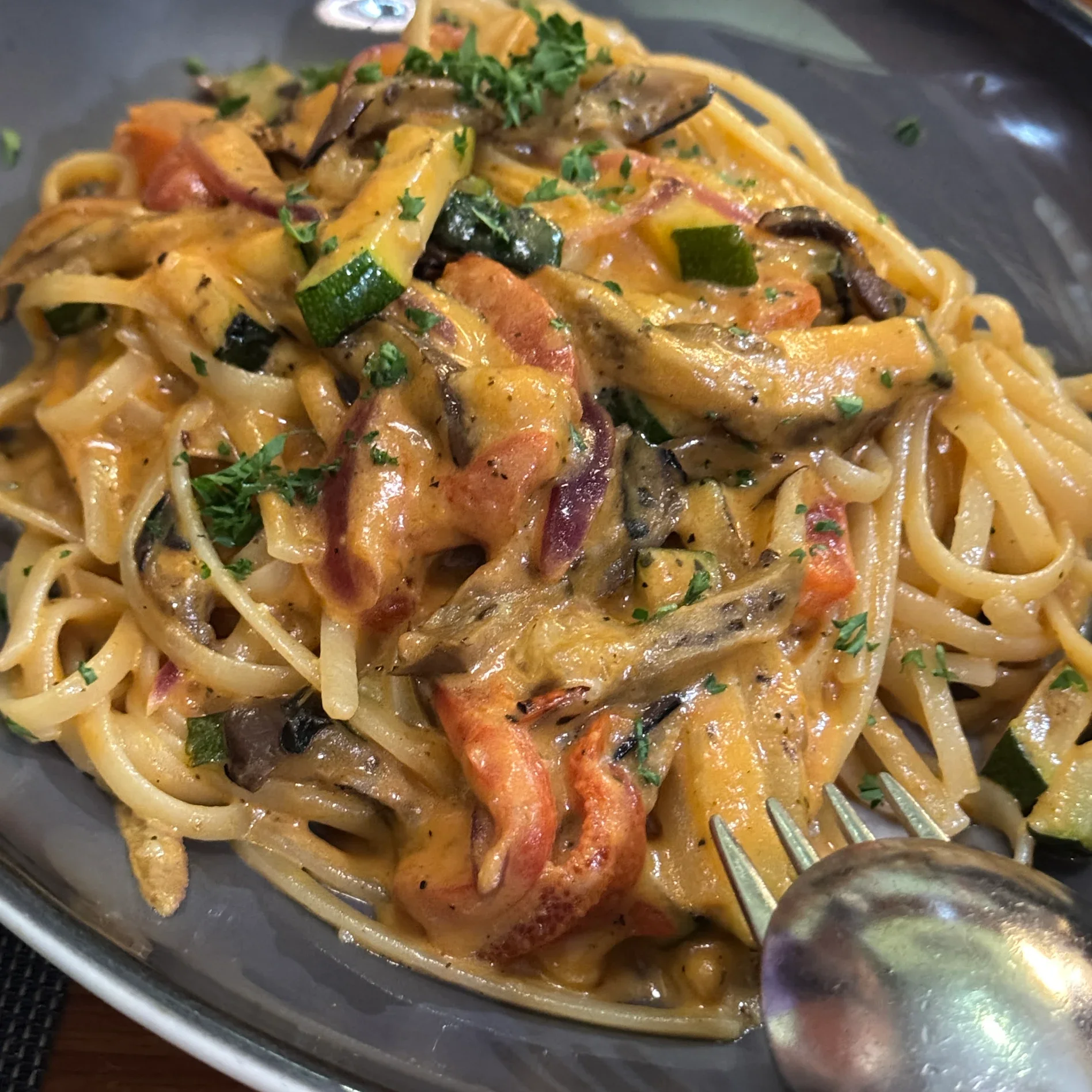
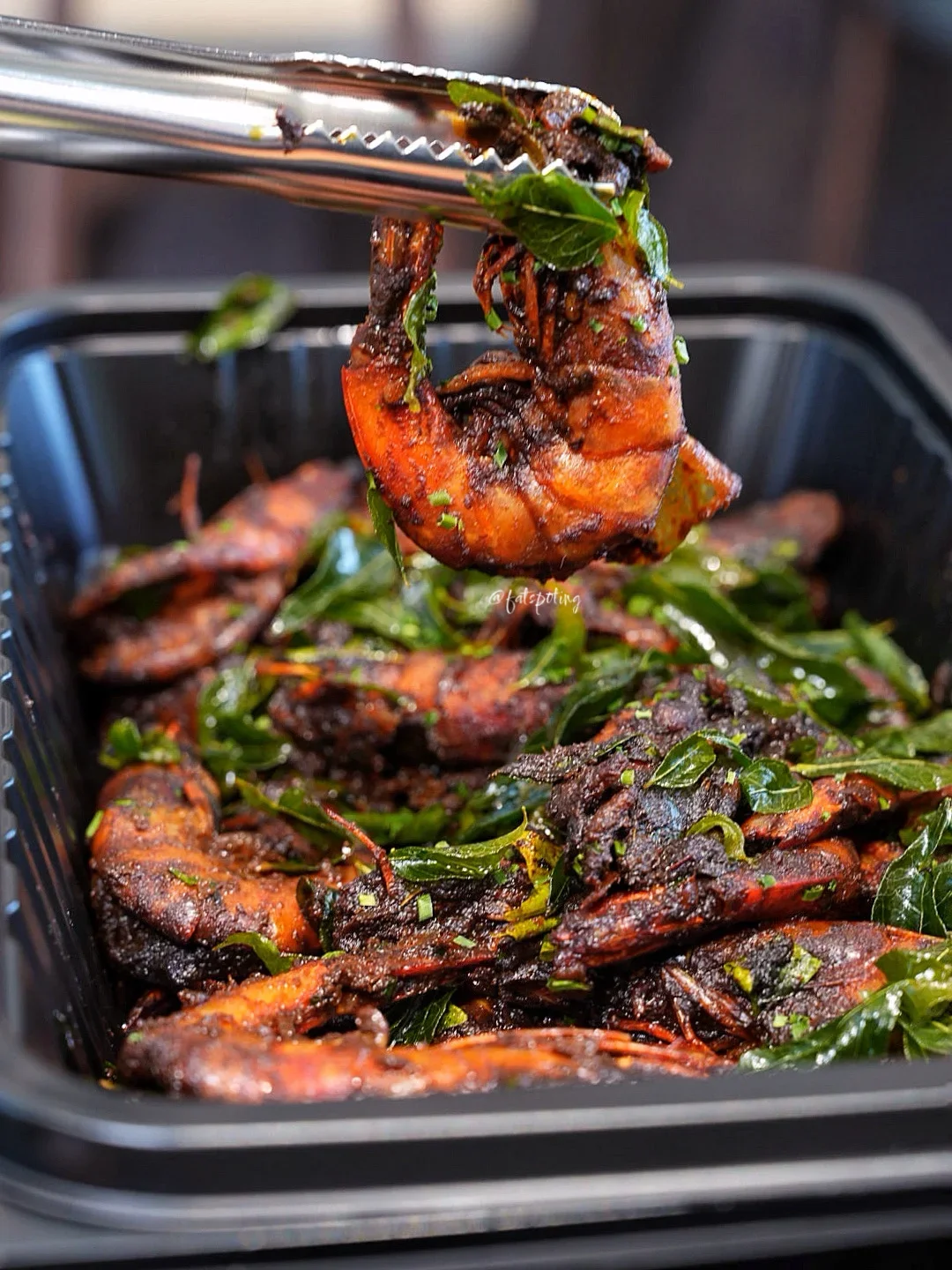
A recent Chinese New Year mini buffet, for example, combined familiar celebratory dishes with more contemporary variations: seafood money bags with Thai chilli jam, lychee sweet-and-sour fish, chicken with wolfberries and red-date jus, Kam Heong prawns, smoked duck claypot rice and ngoh hiang accompanied by spicy hoisin aioli.
That is not avant-garde cooking.
Nor does it need to be.
Catering has different demands from a tasting-menu restaurant.
Food has to hold.
It has to travel.
It often has to satisfy a large room containing very different tastes.
And frequently, it needs to feel familiar enough that guests actually eat it.
The challenge is finding small opportunities to make those familiar dishes feel less predictable.
LAVISH appears most successful when it works in that middle ground: recognisable food with enough adjustment in seasoning, presentation or format to stop the event from feeling generic.
Some of Its Best Work Happens at Corporate Events
Corporate catering sounds mundane until you consider how many different situations fall underneath it.
A board meeting.
A seminar.
A company anniversary.
A media preview.
An AGM.
A product launch.
A networking evening.
An office Christmas party.
LAVISH currently offers dedicated corporate catering across these formats, from recurring lunches and seminar packages to large-scale events and more formal executive hosting.
Recent customer feedback is particularly positive here.
Clients describe successful company functions, end-of-year parties and corporate events where the food was well received and the team was responsive during the planning process. One reviewer said colleagues preferred a LAVISH Christmas buffet to the food served at their company's dinner and dance; another described the company as a regular choice for important events because of its willingness to accommodate requests.
There is no reason to extrapolate a handful of reviews into a guarantee.
But there is a discernible pattern: when customers praise LAVISH, they frequently praise the combination of food and event execution rather than the food alone.
For a caterer, that is probably the right thing to be praised for.
Where LAVISH Becomes More Interesting: Plated Dining
Perhaps the clearest demonstration that this is not merely a buffet company is its set-course catering.
LAVISH offers plated Western and fusion menus aimed at weddings, VIP functions and more intimate formal events.
This changes the demands on a caterer considerably.
A buffet has some flexibility in timing.
Plated service does not.
Thirty, fifty or one hundred guests need their food within an acceptable window. Hot dishes need to remain hot. Sauces need to survive the journey from temporary kitchen to dining room. Service has to move in coordination.
The wedding account mentioned earlier is particularly relevant here: the reviewer wanted a proper Western/Italian dinner served to tables at an external venue and said LAVISH managed to execute it without an on-site kitchen.
That is where catering stops looking like food delivery and starts looking remarkably similar to temporarily building a restaurant somewhere it did not exist that morning.
Presentation Matters Because Events Are Visual
LAVISH describes itself as a premium caterer, and a considerable amount of its positioning revolves around how food and buffet spaces are presented.
That might sound superficial.
It is not.
At an event, the food is often sitting in the room before anyone eats it.
The buffet becomes furniture.
A dessert table becomes part of the decoration.
A live station becomes an activity.
A beautifully packed bento becomes part of someone's first impression of a meeting.
Catering therefore has a visual responsibility that restaurants handle very differently.
A restaurant controls its architecture permanently.
A caterer has to create a temporary environment and make it belong to someone else's venue.
That is one reason presentation has become such a large part of the premium catering market.
Live Stations Solve Another Problem Entirely
Buffets have one inherent limitation: much of the cooking happens somewhere else.
Live stations bring some of that cooking back into the event.
LAVISH offers interactive stations alongside its wider catering formats, allowing selected dishes to be finished or served in front of guests.
This does two things.
First, certain foods simply benefit from being prepared nearer to the moment they are eaten.
Second, the chef becomes part of the event.
A station creates movement.
Guests gather around it.
There is aroma.
There is conversation.
Something is actually happening.
For events where the organiser wants food to contribute to the atmosphere rather than simply feed the room, that can be a significant difference.
TCJ looks at the equipment, ingredients and other objects behind professional food through our Products.
LAVISH Is Not Perfect and the Reviews Make That Clear
An honest profile cannot ignore the less positive experiences.
LAVISH's public feedback is mixed.
Alongside strongly positive accounts of corporate events, weddings and seasonal menus are customers who report late deliveries, slow communication or food that did not meet their expectations. One reviewer described an order arriving an hour late; another was unhappy with both a Chinese New Year menu and the associated delivery service.
These complaints matter particularly for catering because reliability is part of the product.
A restaurant meal arriving ten minutes late is irritating.
A caterer arriving an hour late can affect an entire event schedule.
It is also fair to note that other customers report precisely the opposite experience — punctual deliveries, efficient setup, responsive communication and repeat engagements.
So the evidence does not support presenting LAVISH as flawless.
It supports something more useful.
The company is capable of executing complex events very well, and many clients return because of that. But catering remains an operationally difficult business, and occasional service failures have clearly occurred.
For organisers, detailed confirmation of timing, menu, setup and delivery arrangements remains sensible regardless of which caterer they choose.
Twenty-Eight Years Is Its Own Kind of Evidence
There is one positive point that requires very little embellishment.
LAVISH has been operating since 1998.
As of 2026, that is 28 years.
Catering is not an easy industry in which to survive that long.
Food fashions change.
Corporate expectations change.
Dietary requirements change.
Packaging changes.
Event formats change.
Costs change.
A company that began before Instagram, food delivery apps and modern corporate sustainability policies now has to cater in a market where organisers may simultaneously ask about halal certification, vegan guests, biodegradable disposables, interactive stations and whether a buffet will photograph well.
LAVISH has clearly changed with that market.
Its current operation encompasses not simply food preparation but event logistics, multiple dining formats and catering that can move between functional office feeding and genuinely elaborate celebrations.
That longevity deserves some weight.
Who Is LAVISH For?
LAVISH makes the most sense for organisers who want one caterer capable of moving across different levels of formality.
It can handle the straightforward job:
feed the office.
But it can also move considerably further:
build a full buffet,
run a seminar catering programme,
provide individual bentos,
set up live stations,
serve cocktails and canapés,
cater a wedding,
or construct a plated dinner somewhere without a permanent restaurant kitchen.
Its halal certification makes it particularly useful for mixed corporate and social groups, while its emphasis on presentation gives it a stronger fit for events where the food needs to look considered as well as taste good.
Would every menu suit every diner?
No.
Do the public reviews suggest that every delivery has gone perfectly?
Also no.
But LAVISH has something more substantial than a promise of perfection.
It has nearly three decades of experience solving the peculiar problem that defines catering:
how do you create a dining experience in a place that was never built to be a restaurant?
The fact that LAVISH can answer that question in so many different ways is what makes it worth including in The Cuisine Journal.
LAVISH – Lavish Dine Catering
7 Enterprise Road, Singapore 629819
Established: 1998
Format: Catering / Corporate Events / Weddings / Buffets / Bento / Set Courses / Live Stations
Certification: MUIS Halal-certified
Visit the official LAVISH website.
Explore more food businesses and destinations through TCJ's Dining Venues, discover the people behind the industry through Professionals, browse culinary Products, or continue through our Food Guides.