CaterCo: Catering Designed Around the Event, Not Just the Buffet
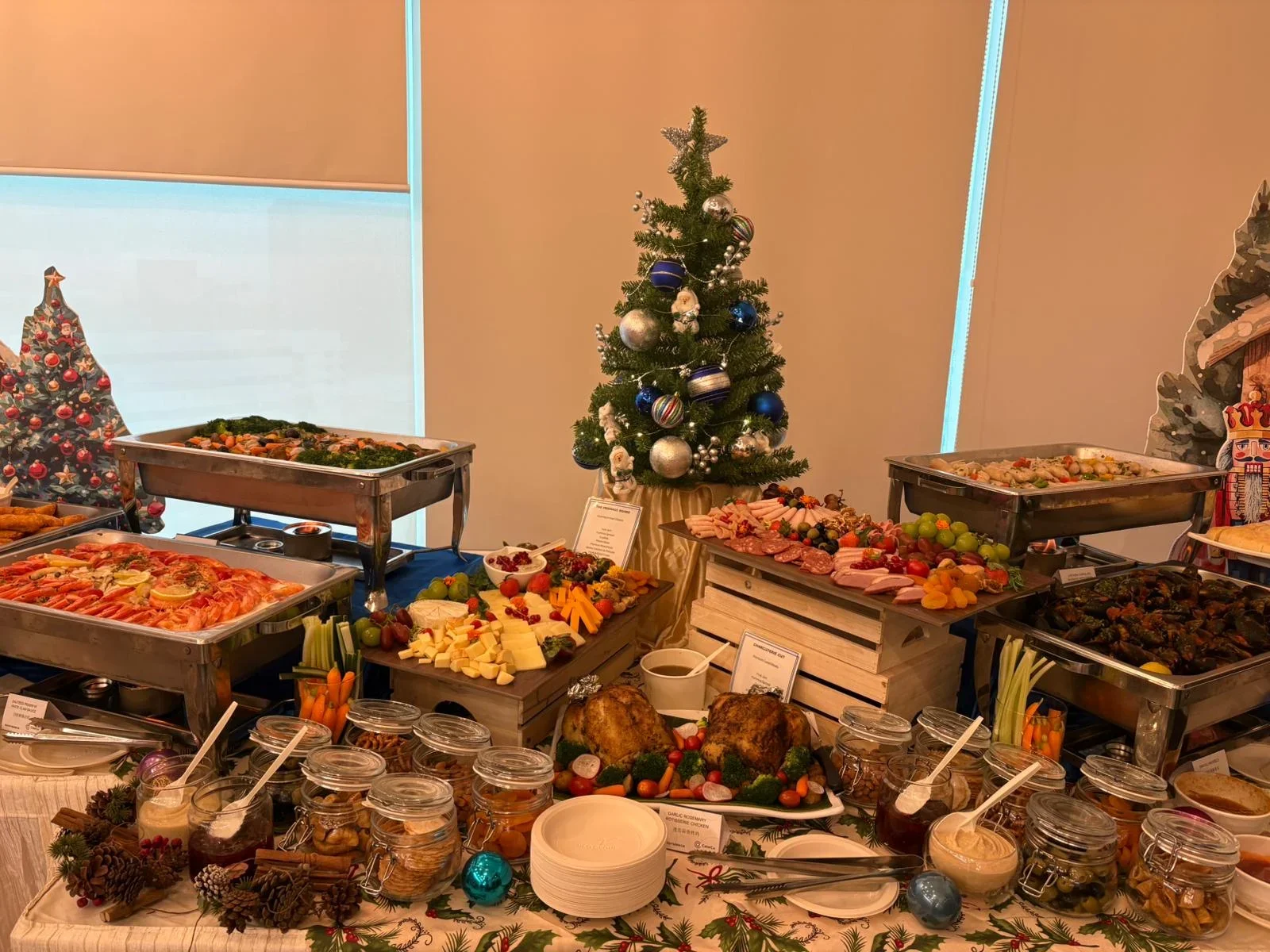
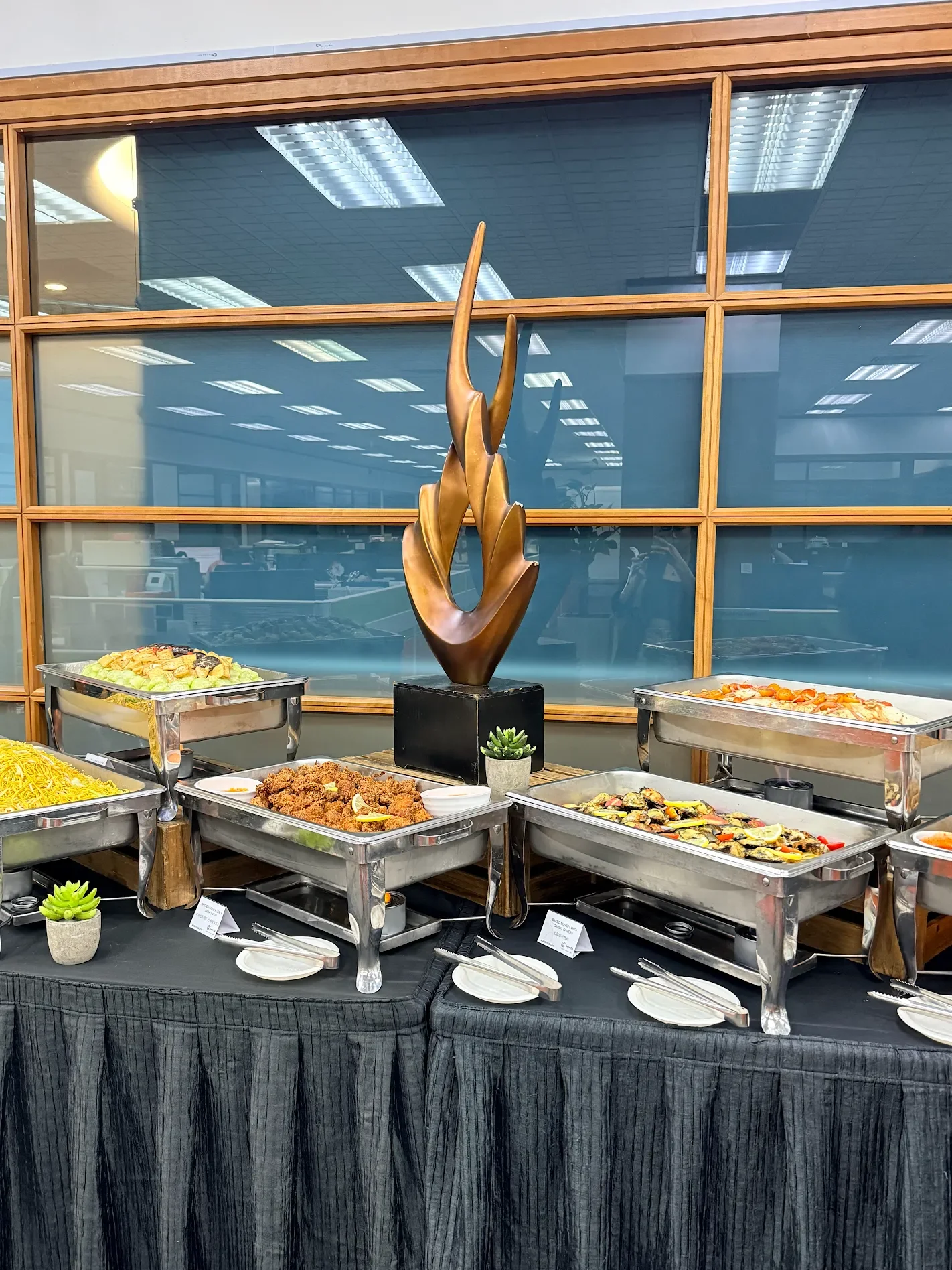
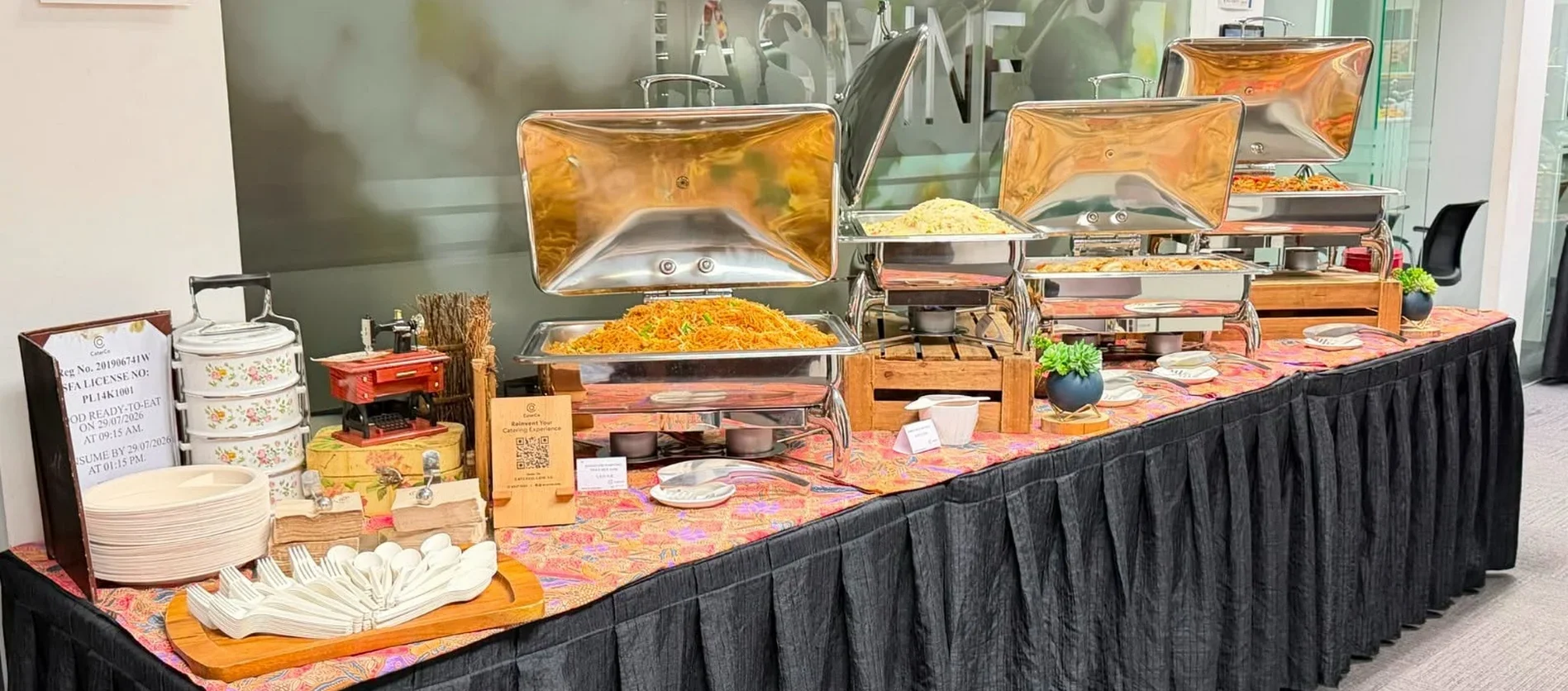
CaterCo positions itself less as a traditional buffet company and more as a food-and-events concierge. From corporate lunches and cocktail receptions to live stations, weddings and large-scale event management, the Singapore caterer has built its model around one central idea: the food should fit the event rather than force every event into the same format.
There is a practical problem at the centre of catering.
Most events are not restaurants.
They may take place in offices, exhibition halls, churches, hotel function rooms, outdoor spaces or temporary venues. They have different guest counts, different schedules and very different expectations.
Yet food still has to arrive on time.
It still has to look presentable.
It still has to be served at the right temperature.
And someone has to make the whole thing work.
That is where CaterCo has chosen to position itself.
Rather than presenting itself purely as a food supplier, the company describes its role as a food and events concierge, combining catering with hospitality, event support and broader F&B management. Its current formats include classic buffets, cocktail receptions, drop-off catering, individual meal boxes, tea receptions, seminar packages, live stations and set-course dining.
That range makes CaterCo particularly interesting from a Cuisine Journal perspective.
It is not simply asking what should be cooked.
It is asking what kind of eating experience makes sense for the occasion.
A Caterer That Thinks Beyond the Buffet Line
The buffet is still here.
CaterCo offers conventional buffet catering for corporate functions, weddings and social gatherings, with menus designed to accommodate different group sizes and dietary requirements.
But it is only one part of the operation.
A company seminar may work better with individually packed meals.
A networking event may need canapés and drinks.
A wedding may benefit from live stations.
A product launch may need food that also functions as part of the presentation.
An executive dinner may call for plated courses instead of trays.
CaterCo's service structure reflects those differences. Its current range includes The Classic Spread, Cocktail Reception, Drop & Go, Personal Feast, CaterBox, Tea Reception, Live Stations and Seminar Packages, alongside bespoke event work and wider F&B management.
That flexibility is probably its strongest argument.
Good catering is not simply about producing more food.
It is about choosing the right delivery system for that food.
Why Event Logistics Matter as Much as the Menu
The public rarely sees the difficult part of catering.
The setup starts before the guests arrive.
Tables have to fit into awkward spaces.
Food needs to land according to the event schedule.
Drivers need to arrive at the correct loading point.
Equipment needs to be carried in.
Someone has to decide where everything goes.
Recent customer feedback suggests CaterCo is frequently strongest precisely in this operational layer.
Several clients specifically mention account managers who respond quickly, delivery teams who arrive on time and crews who adjust buffet layouts to suit limited or unusual spaces. One recent customer described being away from the event because of illness but said the CaterCo team still completed the setup professionally and on schedule. Another praised the team for accommodating detailed setup requirements and returning for repeat events.
That pattern is significant.
For a caterer, service is not separate from the food.
Service determines whether the food gets to become food at all.
A beautifully designed menu is not particularly useful if it reaches the room after the guests have started leaving.
Corporate Catering Is Where CaterCo Makes Particular Sense
CaterCo appears especially well suited to corporate work.
That category can mean almost anything.
Breakfast for a meeting.
Lunch for fifty people.
A training seminar running all day.
A product launch.
A Lunar New Year celebration.
A cocktail reception.
A conference with multiple meal periods.
A large staff function.
Those occasions do not share a single catering format, which is why CaterCo's broad service model is useful.
The company positions its corporate offering around everything from straightforward team meals to managed corporate F&B programmes.
Customer feedback supports this as a repeat-use area. Several reviewers describe engaging CaterCo for multiple company events, with recurring praise for account coordination, buffet setup and punctuality. One corporate client specifically said the food consistently received compliments from guests and that their account manager would personally check the event logistics and food setup. Another described a large Lunar New Year corporate order as successful, with the coordination itself standing out as much as the food.
Repeat business is useful evidence here.
It does not prove every event will be perfect.
But it does suggest the operation is capable of becoming part of an organiser's regular workflow rather than remaining a one-off supplier.
The Halal Certification Matters
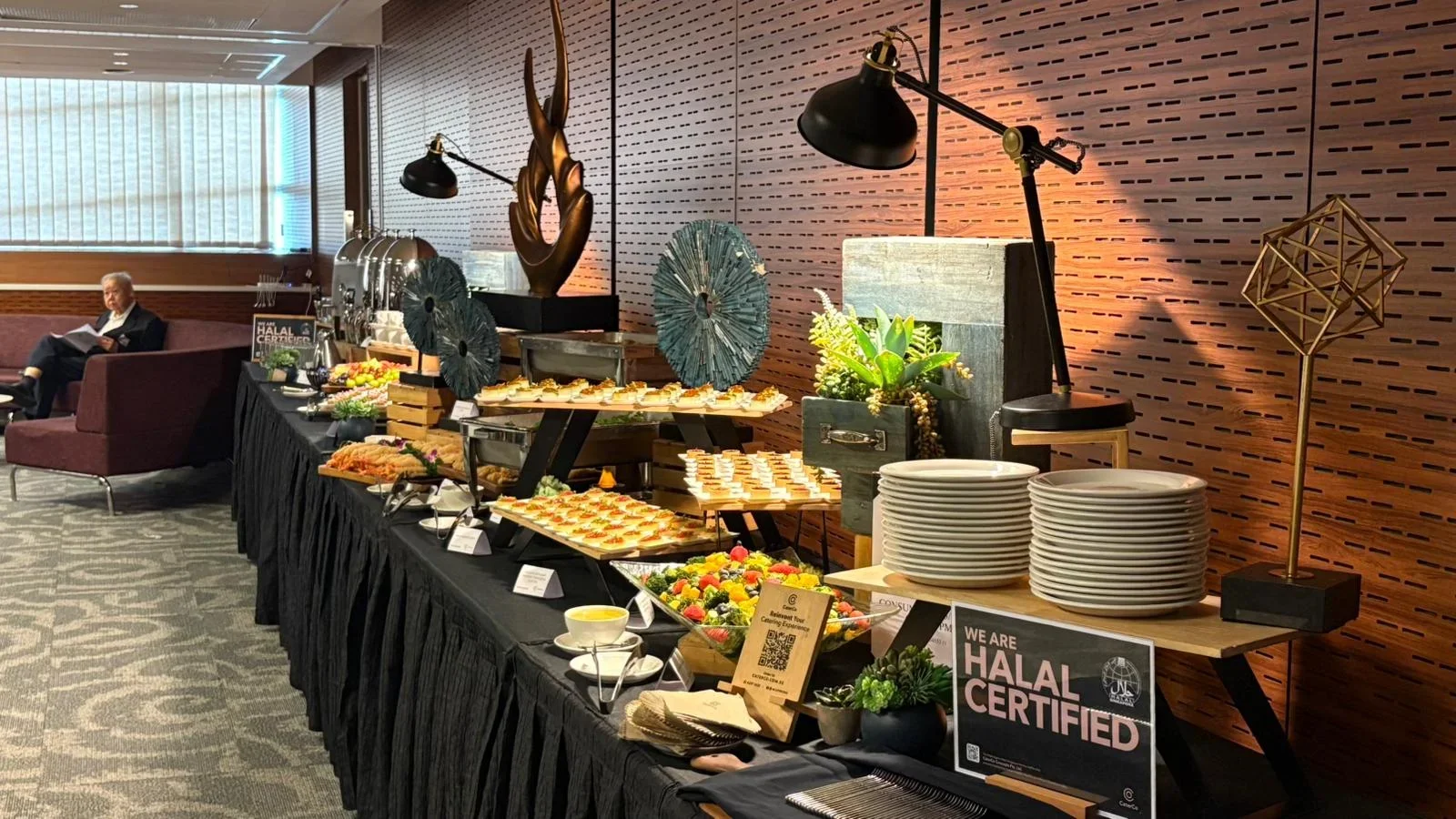
CaterCo is MUIS Halal-certified.
In Singapore, that is more than an additional dietary option.
It makes event planning substantially easier.
A corporate organiser arranging food for a mixed group can use one principal catering operation rather than separating guests into multiple meal systems. The same applies to weddings, community functions and large celebrations.
CaterCo says its halal controls extend from ingredient sourcing through food preparation and kitchen management, and the company can display its certification at events when required.
The practical value is inclusivity.
The more people who can comfortably eat from the same table, the less fragmented the event becomes.
Live Stations Turn Catering Into Something Guests Can Watch
One of CaterCo's more interesting formats is its live station programme.
The principle is straightforward.
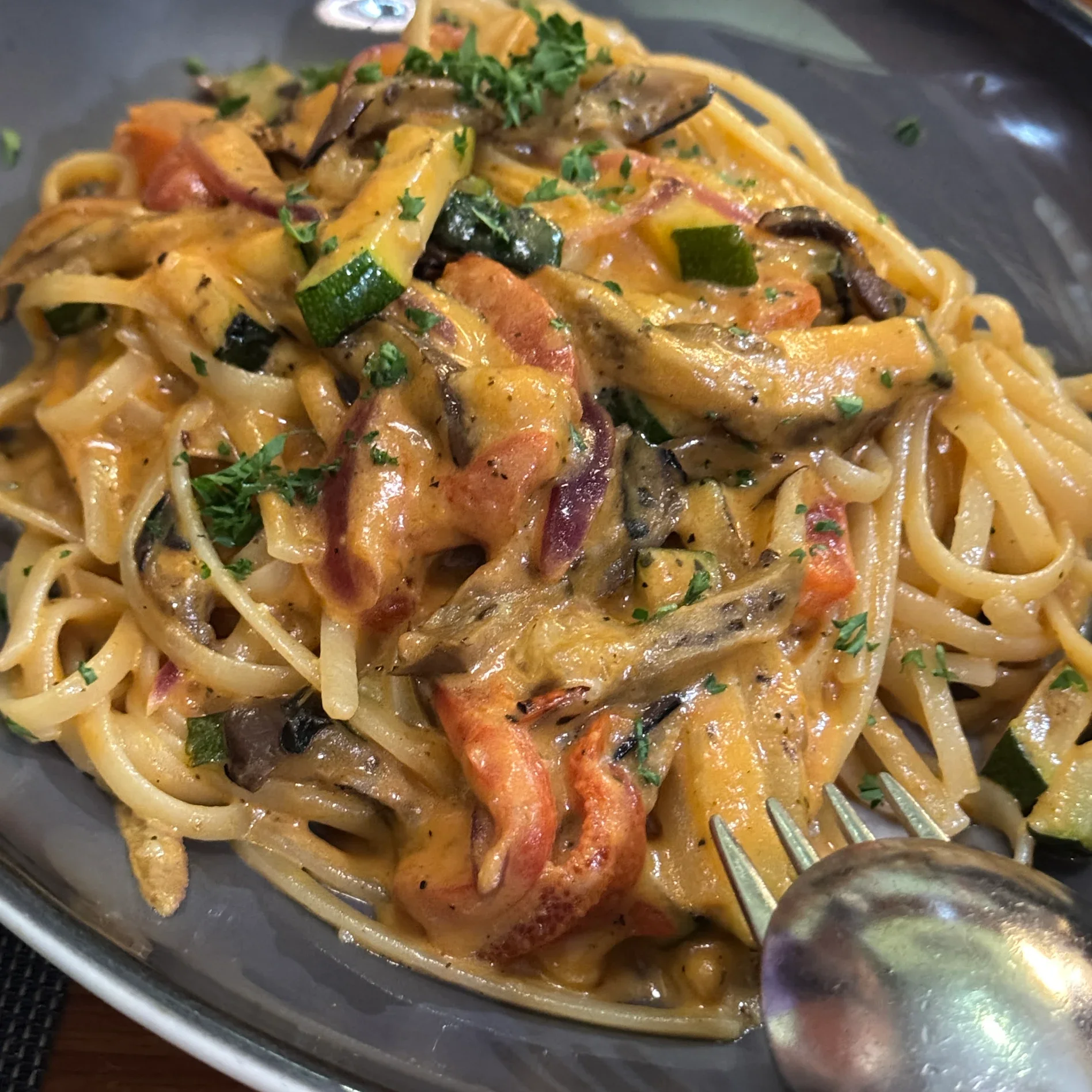
Instead of preparing everything somewhere else and presenting it finished, selected food is cooked or assembled directly at the event.
Current examples promoted by CaterCo include laksa, pasta, satay and wok or teppanyaki-style stations.
That changes more than freshness.
A live station adds sound.
Smell.
Heat.
Movement.
Conversation.
Guests begin interacting with the food before they eat it.
The chef becomes part of the room.
CaterCo also offers themed styling and custom signage around these stations, allowing them to be treated as part of the event design rather than merely portable kitchens.
For weddings, launches and larger corporate functions, that can be particularly effective.
The station becomes an activity.
Canapés Reveal a Different Side of the Company
Buffet food and cocktail food operate under very different rules.
A canapé needs to be small enough to eat while standing.
It needs to survive service.
It should look intentional from a short distance.
And ideally, it should not create a logistical disaster after one bite.
Recent customer feedback around CaterCo's canapés is notably positive.
One client who hired the company for an event described the food as “10/10” and specifically praised both the flavour and presentation of the canapés. The same reviewer also highlighted how the setup crew helped with decorative details even though a separate planner was already involved.
That example illustrates where CaterCo's broader model begins to make sense.
Food, styling and service cannot always be separated neatly during an event.
Sometimes the person setting down the canapé table also needs to understand how the room is supposed to look.
Catering Works Best When Familiar Food Is Handled Carefully
CaterCo's menus do not appear designed primarily to shock diners.
That is probably appropriate.
Large-event catering needs food with broad appeal.
Its festive menus, for example, combine familiar dishes with enough variation to make them feel considered. A recent Lunar New Year menu included salmon yu sheng, yam rice with chicken and Chinese sausage, Eight Treasures vegetables, lychee sweet-and-sour fish, fragrant chicken, butter prawns and yam puffs with seafood.
None of this requires explaining at the table.
Guests recognise it immediately.
That is an advantage.
At a large function, novelty can become a liability if every dish requires instruction.
The challenge is therefore less about inventing unfamiliar food and more about making familiar food satisfying, presentable and consistent at scale.
That is a different skill from restaurant cooking.
Thematic Catering Is More Than Putting Decorations Around Chafing Dishes
CaterCo also offers thematic setups, and this is where catering begins to overlap with event production.
The company promotes buffet formats that can be matched to the character of the event, including more formal corporate occasions as well as weddings and celebrations.
This matters because buffet tables occupy a surprising amount of visual space.
At a wedding, they become part of the room.
At a product launch, they may appear in photographs.
At a corporate event, they contribute to whether the function feels deliberate or improvised.
The best catering design therefore tries to make the food service belong in the venue.
It should not look like a portable restaurant has simply been dropped into the corner.
For more objects, equipment and products connected with professional food service, explore TCJ's Products.
The Reviews Are Strong But Not Uniform
CaterCo's recent public rating is high, and the majority of the supplied feedback is positive.
There is consistent praise for food, punctuality, coordination, responsiveness and professional setup.
But the record is not spotless.
One customer was strongly dissatisfied with several fried items, live-station food and a bubble tea offering at an event, describing the food as disappointing relative to the price.
Another complaint concerned the behaviour of a driver using a CaterCo-branded vehicle. CaterCo responded that the individual was operating under shared logistics resources and was not performing a CaterCo delivery at the time, while still saying the matter had been referred internally for review.
These criticisms should not be hidden.
They also should not be allowed to erase the larger body of more positive feedback.
The more balanced reading is that CaterCo appears capable of very strong event execution, particularly where coordination matters, while individual experiences can still vary according to menu, service context and event conditions.
That is probably true of catering generally.
The larger the moving system, the more points there are at which something can go wrong.
What CaterCo Seems to Do Particularly Well
Looking across the company itself and the supplied customer accounts, a few themes recur.
The first is responsiveness.
Named account managers appear repeatedly in reviews.
The second is setup.
Clients regularly mention drivers and event crews rather than talking only about dishes.
The third is repeatability.
Several reviewers say they have used CaterCo more than once.
And the fourth is range.
The same business can supply bentos, full buffets, canapés, seminar packages and live stations.
Together, those factors explain the company's “catering concierge” positioning better than the marketing phrase itself does.
A concierge is useful because you can give it different problems.
CaterCo wants to be the caterer you call even when the next event does not resemble the previous one.
Catering Can Become Part of Event Design
There is a broader trend here.
For years, catering was often treated as a utility.
The event existed.
Food needed to be supplied.
A caterer supplied it.
That model still exists, but the premium end of the industry is increasingly moving towards something more integrated.
Food becomes part of the programme.
Live stations become entertainment.
Cocktail receptions affect how people circulate through the room.
Buffet design contributes to the visual language of the venue.
Meal timing affects the event schedule.
CaterCo is clearly positioning itself on that side of the market.
Its own language emphasises the combination of high-end F&B expertise, hospitality and event management rather than food production alone.
That positioning makes sense.
Once catering becomes sufficiently complex, the distinction between a caterer and an event operator starts to become blurry.
Who Is CaterCo For?
CaterCo makes the most sense for organisers who want a caterer capable of handling more than one type of event.
For a simple requirement, there are straightforward options such as drop-off catering, buffet spreads and CaterBox meals.
For longer corporate programmes, there are seminar packages and F&B management.
For celebrations, there are cocktail receptions and live stations.
For occasions requiring more elaborate presentation, there are thematic setups and bespoke event services.
Its MUIS Halal certification also makes the company particularly practical for mixed workplaces, weddings and large Singapore gatherings where inclusivity needs to be built into the menu from the beginning.
Most importantly, the strongest customer feedback is not simply saying:
the chicken tasted good.
It is saying:
the account manager answered,
the drivers arrived,
the setup worked,
the guests ate,
and the event could continue.
That may sound less glamorous than restaurant criticism.
But catering is not a restaurant transplanted into a function room.
It is an entirely different discipline.
And CaterCo appears to understand that the most successful catered meal is often the one where the organiser barely has to think about the catering once the guests arrive.
CaterCo Concepts
30B Quality Road, Singapore 618826
Format: Catering / Corporate Events / Buffets / Cocktail Receptions / Bento / Live Stations / Seminar Packages / Bespoke Events
Certification: MUIS Halal-certified
Visit the official CaterCo website.
Explore more food businesses through TCJ's Dining Venues, meet the people behind the industry through Professionals, browse culinary Products, or continue through our Food Guides.