Burma Social Singapore: Burmese Cuisine Through the Feast of Six Kingdoms
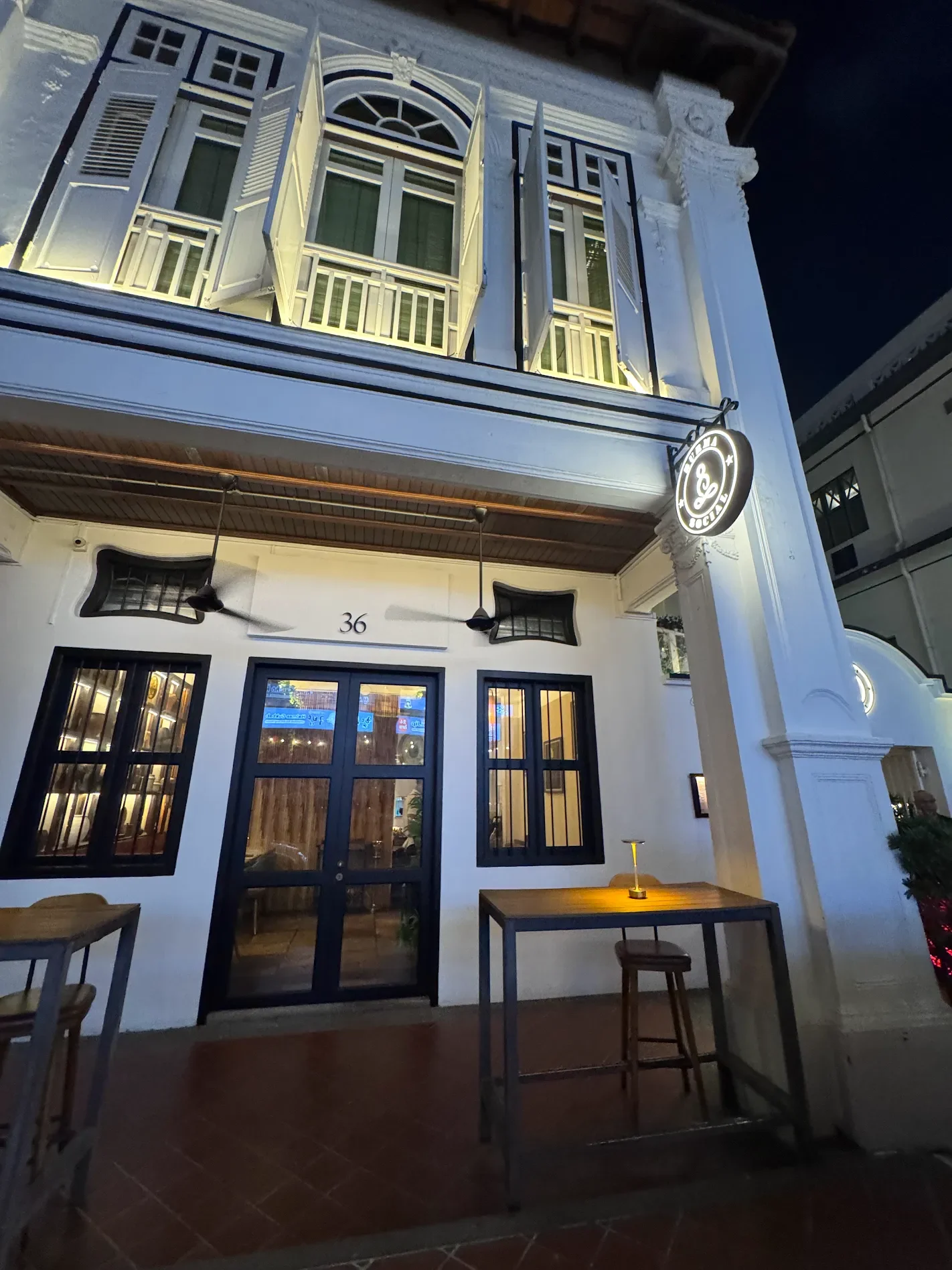
Burma Social on Tras Street presents Burmese cuisine as a meeting point between cultures, building a contemporary restaurant and bar around the culinary influences of Myanmar and its neighbours across Asia.
Burma Social does not present Burmese food as something that developed in isolation.
Instead, the restaurant begins with geography.
Myanmar sits between some of Asia's most influential food cultures, sharing borders and centuries of exchange with China, India, Thailand, Laos and Bangladesh. Burma Social turns that history into the organising idea behind its restaurant, describing Burmese cuisine as a tapestry shaped by all five countries while keeping Burma itself at the centre.
At its original Tras Street location in Singapore, that idea becomes what the restaurant calls The Feast of Six Kingdoms.
It is a deliberately theatrical way of explaining a real culinary point: Burmese cuisine has absorbed, adapted and transformed influences from across the region, and Burma Social wants diners to experience those connections within a single meal.
The Feast of Six Kingdoms
The six kingdoms are Burma, China, India, Thailand, Bangladesh and Laos.
Burma Social frames its menu as a journey through those cultures, narrated through the fictional Prince Pyu Pyu, described by the restaurant as its culinary monarch. The character gives the concept a whimsical storytelling layer, but underneath it sits a menu designed around cross-border food traditions.
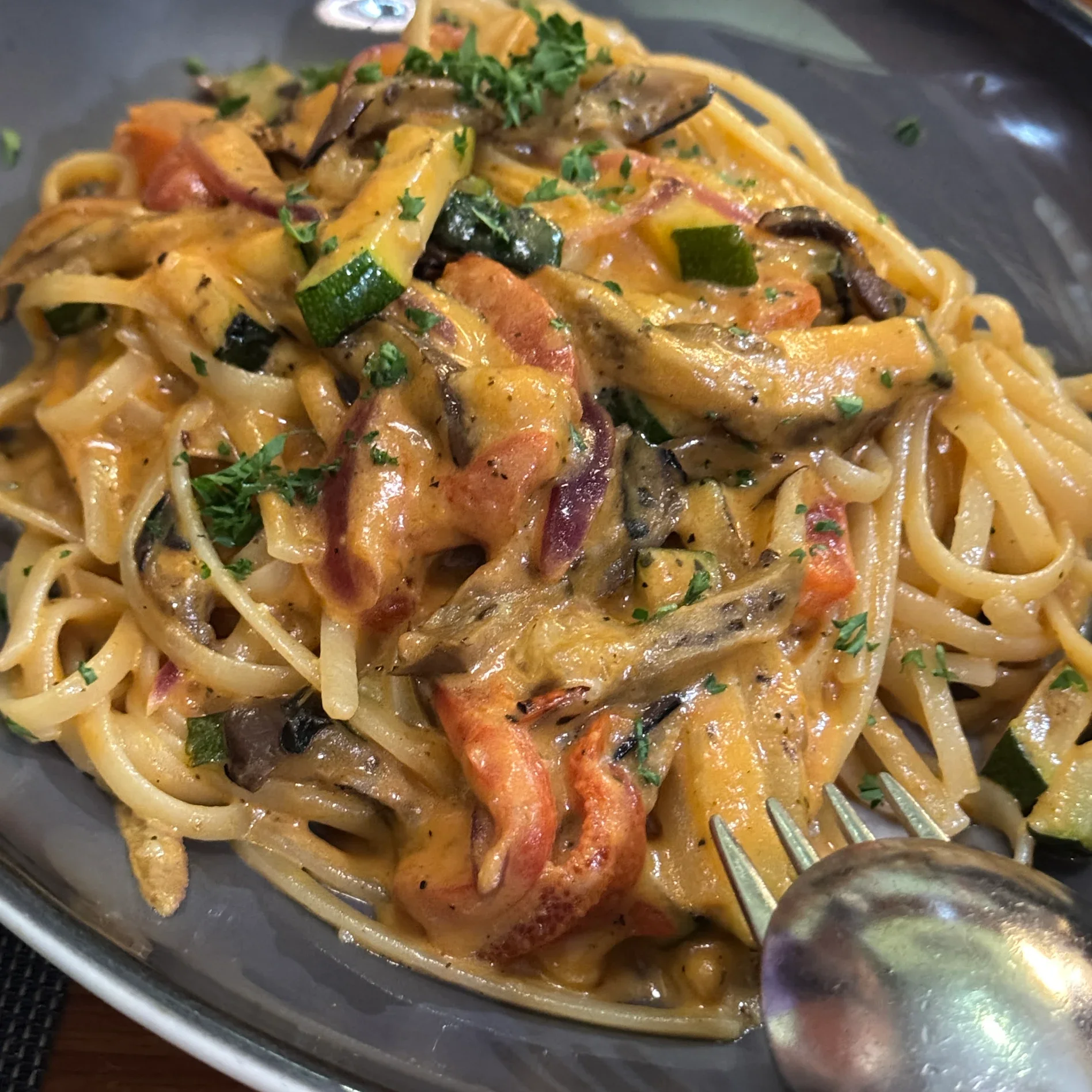
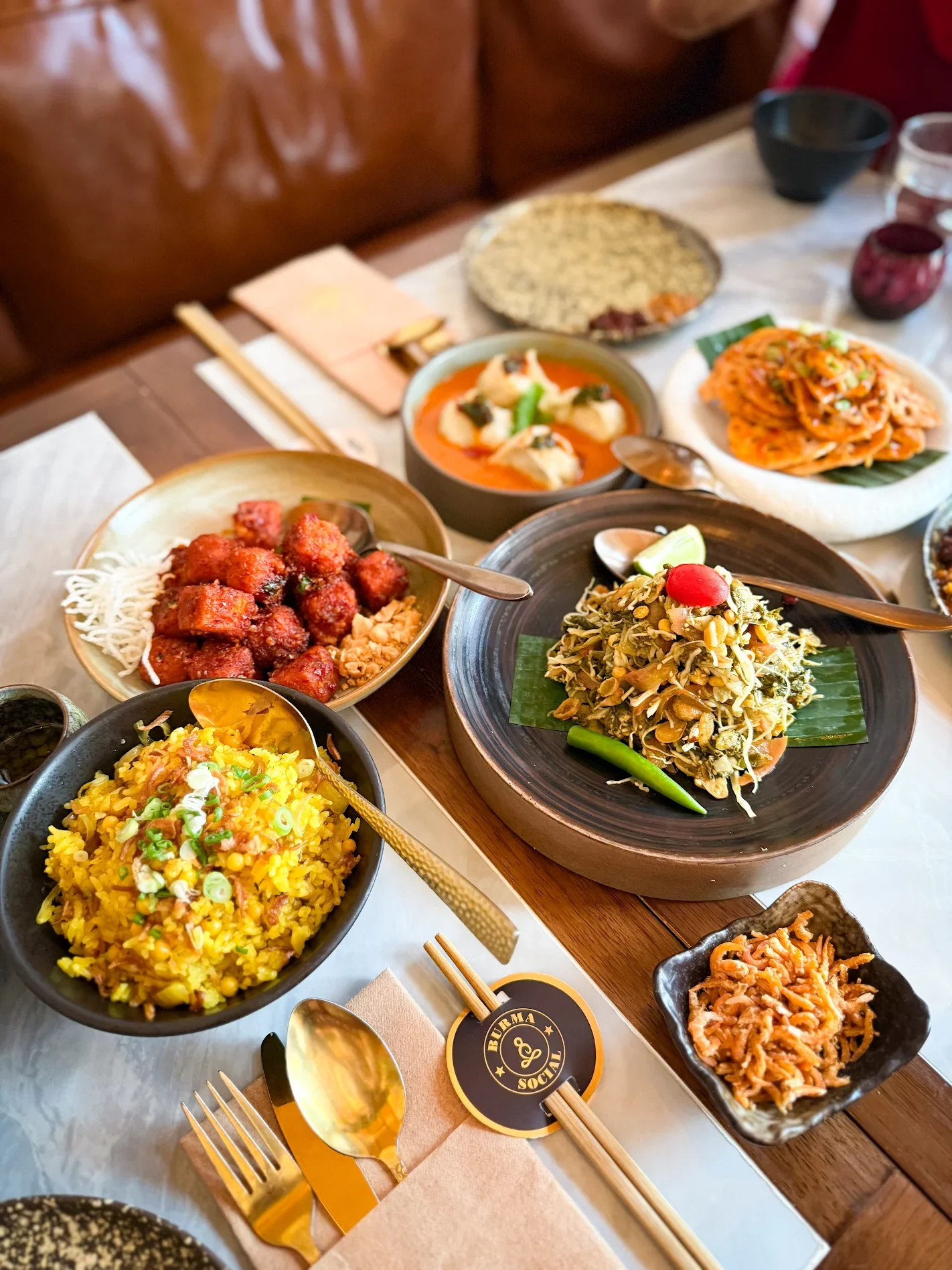
That helps explain why a meal at Burma Social can move from Burmese tea leaf salad to Sichuan dumplings, Thai curry, Tibetan momo, Indian-inspired khakhra and Japanese-style maki without the restaurant treating those dishes as unrelated additions.
They are presented as part of the culinary neighbourhood surrounding Burma.
The concept therefore differs from a restaurant focused on preserving one tightly defined national canon. Burma Social is explicitly interested in how cuisines influence one another.
Burmese Food at the Centre
Despite the regional scope, several of Myanmar's best-known dishes remain important anchors.
Lahpet Thoke, the traditional Burmese fermented tea leaf salad, combines tea leaves with cabbage, tomatoes, fried nuts and lemon. Burma Social also offers an avocado variation, adding a creamy element to the fermented tea leaf base.
Then there is Mohinga, often described as Myanmar's national dish.
Burma Social's version uses barramundi with rice noodles in a herbal fish-and-shallot broth, accompanied by boiled egg and crispy fritters.
Another classic is Oh-Noh-Khouk Swe', a coconut-based Burmese noodle dish. Here it is presented as a creamy curry made with chickpea flour, noodles and vegetables, with vegetarian, vegan and chicken versions available.
These are some of the dishes that give the wider pan-Asian menu its Burmese foundation.
Recent diner accounts supplied to The Cuisine Journal also repeatedly mention Lahpet Thoke, Mohinga, Oh-Noh-Khouk Swe' and Burmese tofu among the dishes people associate most clearly with the restaurant.
Burmese Tohu and the Chickpea Tradition
One of the more distinctive Burmese dishes on the menu is Tohu Kyaw.
Unlike Chinese or Japanese tofu, Burmese tohu is traditionally made from chickpea flour rather than soybeans. Burma Social serves its version fried until crisp and accompanies it with a nutty, tangy sauce incorporating Burmese and Thai flavours.
It is a small dish that illustrates the broader value of a restaurant like Burma Social.
Burmese cuisine remains considerably less familiar internationally than Thai, Chinese, Indian or Japanese food. Ingredients and preparations that are everyday parts of Myanmar's food culture can therefore still feel relatively undiscovered to diners in Singapore.
Burma Social's contemporary format provides an accessible way into those dishes while surrounding them with flavours that may already be more familiar.
From Mandalay to Chongqing
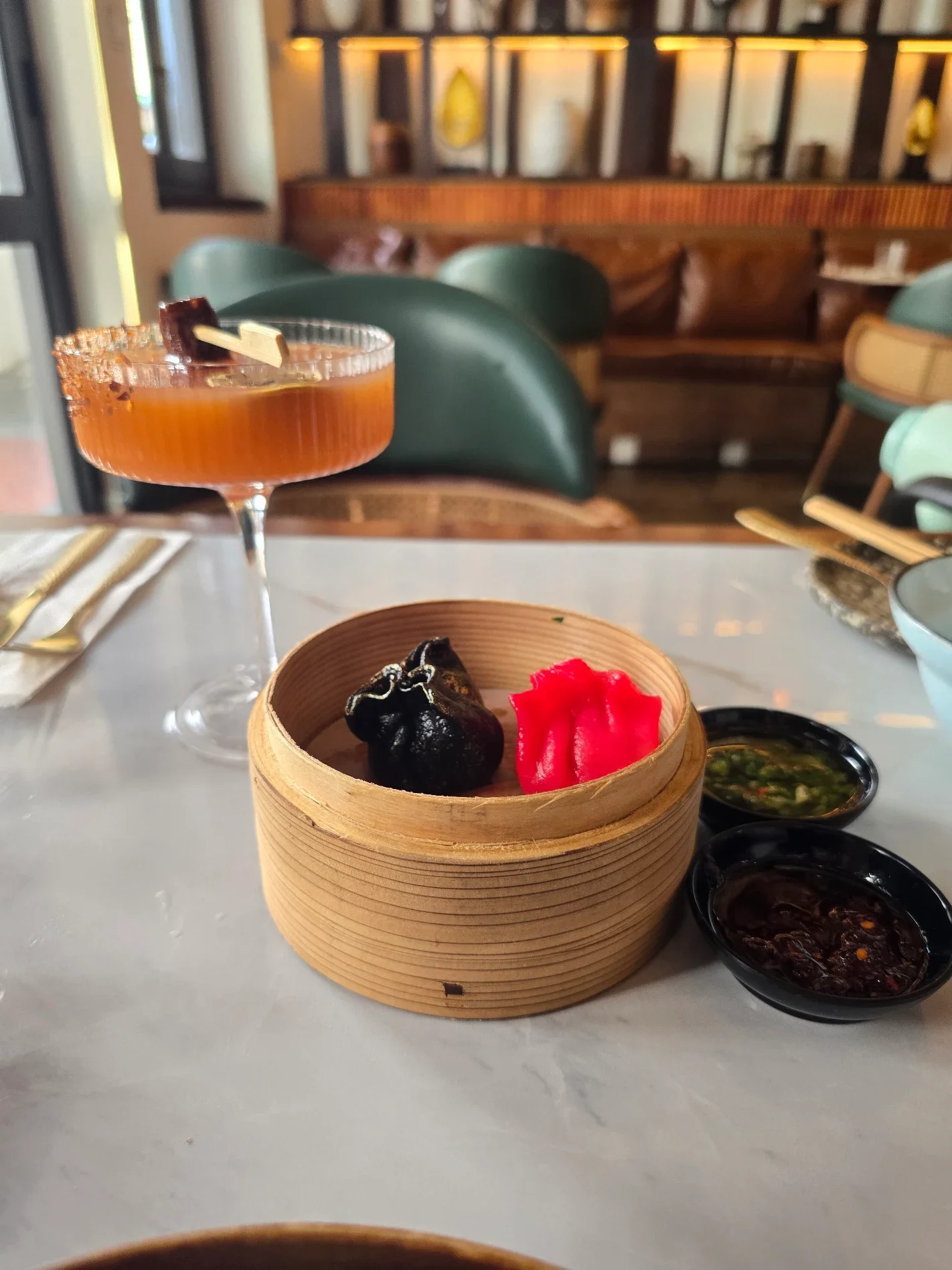
The Chinese influence appears particularly clearly in the wok and dumpling sections.
There are Sichuan Pork Dumplings served with house-made chilli oil and Chongqing Lantern Chicken, made with crispy chicken, dried chillies, leek and celery. Xing Jiang Lamb brings in another Chinese regional reference through lamb seasoned with cumin and chilli.
Elsewhere, Kang Kong Fritters, subtitled Golden Mandalay, combine fried water spinach with ginger, chilli and garlic before being served with Burmese tamarind sauce.
There are also dim sum preparations such as Gold-Dusted Prawn & Chives Har Gao and chicken dumplings, alongside Tibetan-style momo served in a tomato-based broth.
The menu is consequently difficult to divide cleanly into national categories.
That is intentional.
Rather than drawing borders between the dishes, Burma Social continually allows those borders to overlap.
Thailand, India and the Wider Silk Road
Thailand is another major influence.
A Thai Red Curry appears directly on the main-course menu, while Bangkok-style papaya salad, Thai chilli, tamarind and other Southeast Asian flavours recur elsewhere. The restaurant also serves Bangkok Chicken Tacos, combining shredded chicken, Thai herbs, cheese and peanut sauce.
India enters through dishes such as Guacamole with Khakhra, which pairs avocado with aji amarillo and Indian spiced crisps, while the Coastal Crab Curry & Pav combines soft-shell crab with Malvani curry and house-made bread.
The menu places these creations under the language of the Silk Road, further emphasising movement, exchange and adaptation rather than culinary purity.
Sushi rolls extend that journey even further, with preparations including Aburi Salmon Yuzu Roll, Piquillo Wild Roll and crispy tempura maki.
It is broad by design.
A Menu Built for Exploration
The structure of Burma Social's menu encourages ordering across several sections rather than approaching the restaurant through a conventional starter-main-dessert sequence.
Diners can move between dim sum, cold plates and thoke, wok dishes, bao, sushi rolls, Silk Road delicacies and larger mains.
That creates a particularly natural format for sharing.
A table might begin with Lahpet Thoke and Burmese Tohu, add dumplings or lotus stem, then move into Mohinga, Oh-Noh-Khouk Swe', lamb or curry.
Recent customer material supplied to The Cuisine Journal reflects precisely this pattern. Diners frequently describe ordering several smaller dishes alongside Burmese noodle dishes, curries and cocktails, rather than each person remaining within a single individual course progression.
This is one reason the restaurant's expansive geography makes more sense at the table than it may initially appear to on paper.
The meal itself becomes the journey.
The Tras Street Restaurant
Burma Social's original restaurant is located at 34 Tras Street, within Singapore's Tanjong Pagar district. The brand has since expanded with a second restaurant in Siglap at 907 East Coast Road.
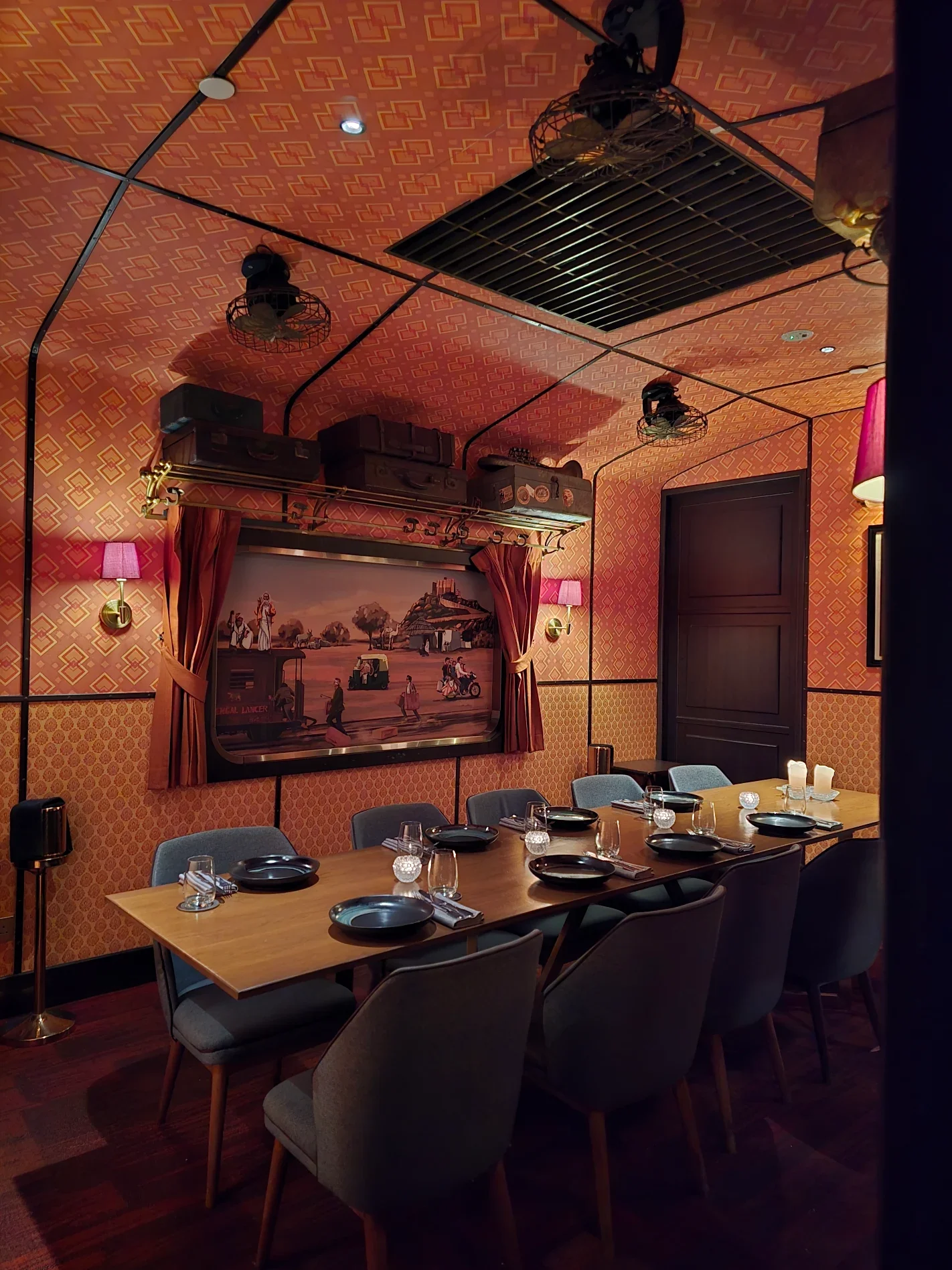
The Tras Street location occupies a multi-level shophouse setting.
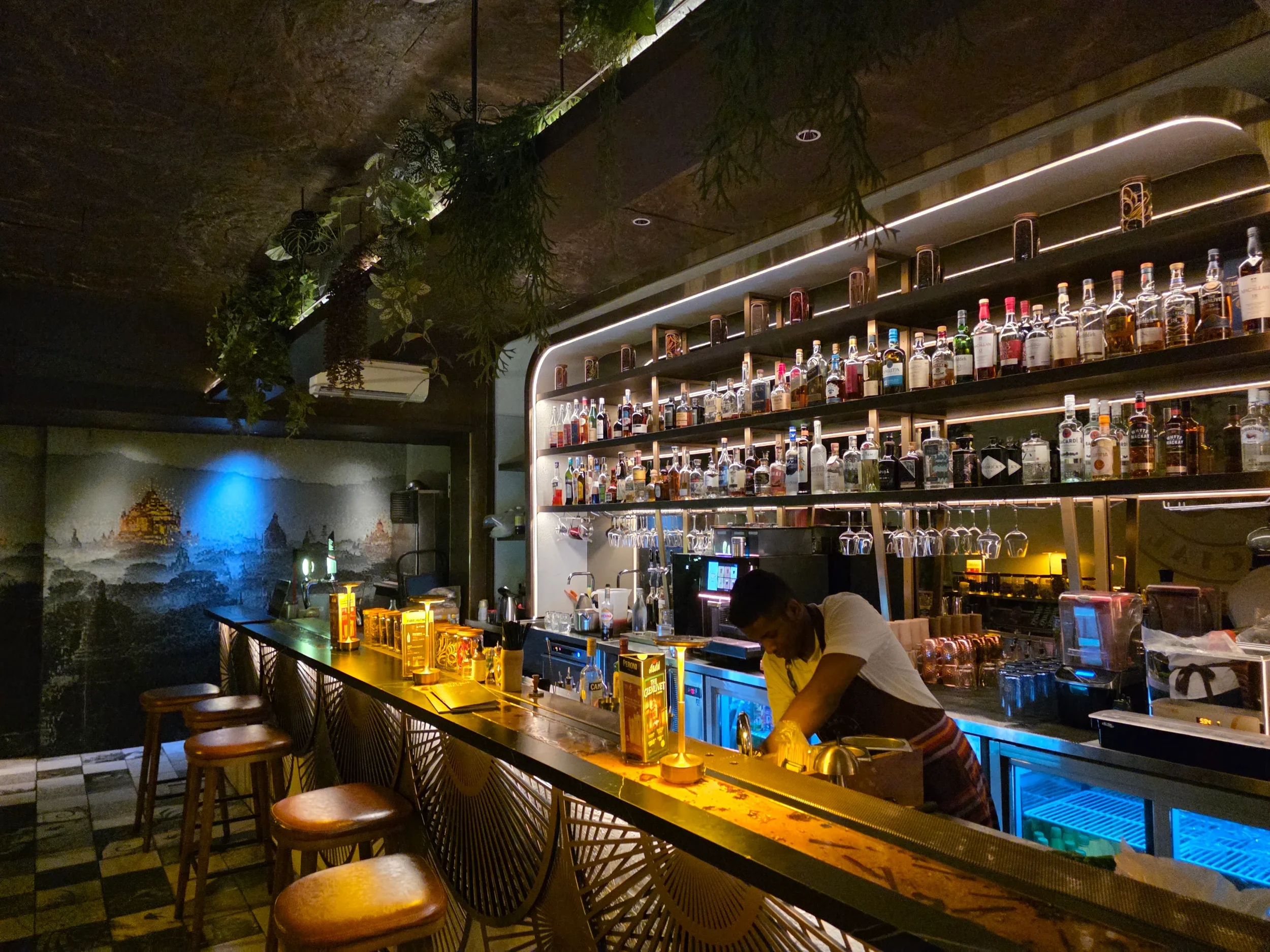
Diner accounts describe different spaces across the building, including indoor dining areas, bar seating and an outdoor terrace, with the different levels offering somewhat different atmospheres.
That suits the restaurant's social positioning.
Burma Social is not conceived simply as a place to sample Burmese dishes. It combines restaurant, bar and storytelling environment, with the space intended to support longer meals, drinks and group dining.
Cocktails Follow the Same Journey
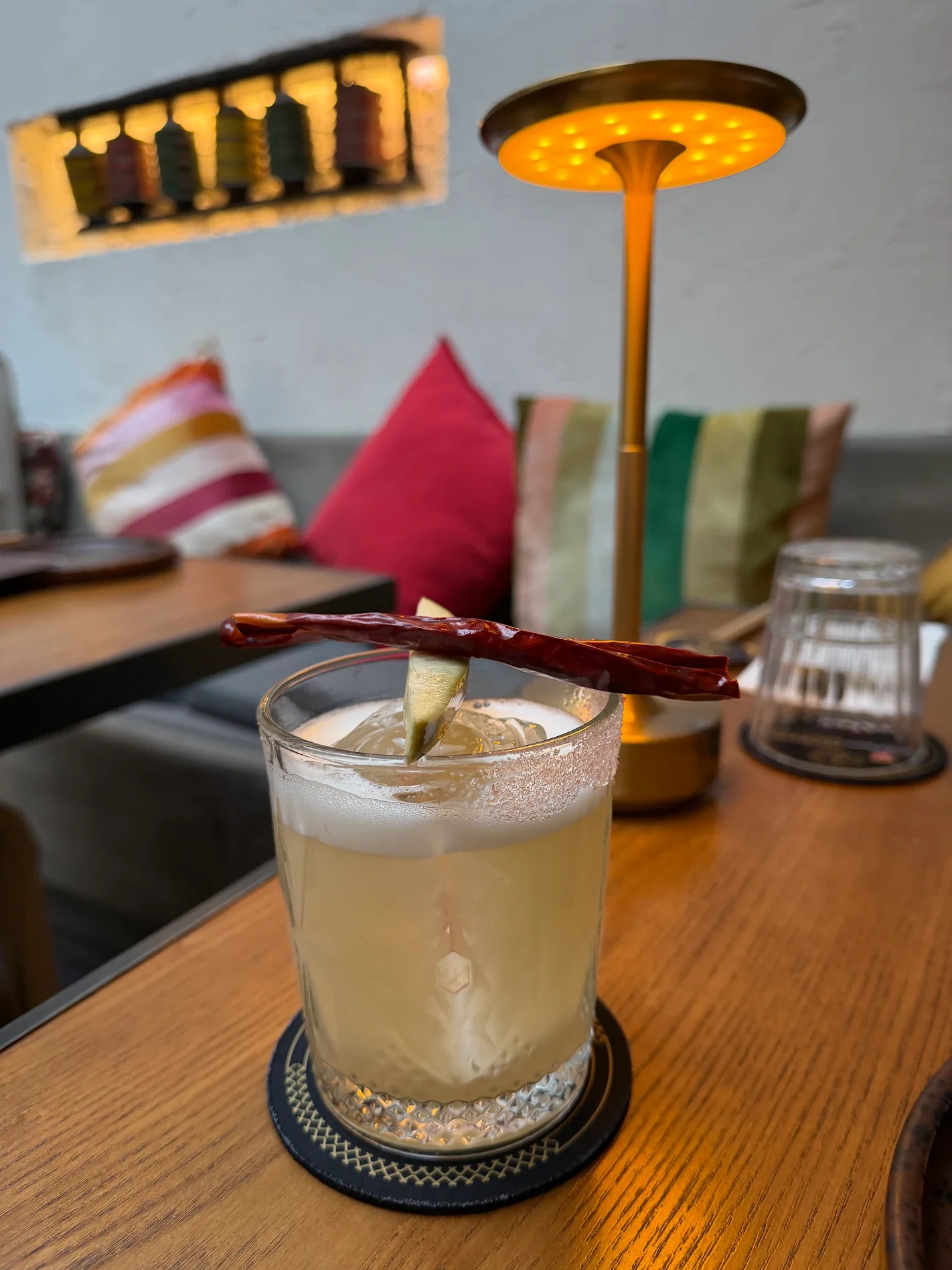
The beverage programme follows essentially the same philosophy as the kitchen.
Burma Social describes its drinks as extending from wines and classic cocktails to more exotic interpretations designed to complement the food.
Signature drinks reference different parts of Asia.
Siam Serenity combines Burmese mango with Thai herbs and Southeast Asian spice. Himalayan Dawn uses citrus, saffron and Himalayan salt, while Royal Saffron & Kokum draws on Indian spices and kokum.
The cocktails are therefore not detached from the restaurant's Six Kingdoms story.
They are another way of continuing it.
Recent diner accounts also frequently mention cocktails and customised drinks alongside the food, reinforcing the bar as an important part of the Tras Street experience.
Vegetarian and Vegan Dining
Burma Social's menu contains a substantial number of vegetarian and vegan options.
The menu marks suitable dishes directly and includes vegetarian or vegan versions of preparations such as Lahpet Thoke, Pomelo Chili Thoke, Oh-Noh-Khouk Swe', Thai Red Curry and Rangoon Laphet in Hot Stone. There are also plant-based snacks, vegetable dumplings, tofu bao and vegetable rolls.
This fits Burmese cuisine particularly well.
Chickpeas, vegetables, fermented leaves, pulses, noodles and salads already form important parts of the culinary tradition, making plant-based dining less dependent on reproducing meat dishes through substitutes.
Diners supplied to The Cuisine Journal also repeatedly note the breadth of vegetarian options available.
Burmese Cuisine as a Crossroads
Burma Social's most useful idea may ultimately be one of geography.
Myanmar has always sat at a crossroads.
India and Bangladesh lie to its west. China to its north and northeast. Laos and Thailand extend along its eastern border. Trade, migration, empire and everyday human movement have carried ingredients and techniques through those regions for generations.
Burma Social turns that history into a contemporary restaurant concept.
The resulting menu is not intended as a survey of strictly traditional Burmese cooking, nor is it simply a collection of unrelated Asian dishes.
Instead, it asks diners to look at Burmese cuisine as the product of connections.
Mohinga and tea leaf salad provide the Burmese centre. Chinese dumplings, Thai curries, Indian spices and other regional preparations then expand outward from it.
That is the idea behind Burma Social on Tras Street: not just introducing Singapore to Burmese food, but showing the much larger culinary world that helped shape it.
Burma Social Singapore: Quick Information
Restaurant: Burma Social
Concept: Modern Burmese and pan-Asian restaurant and bar
Founded: 2023
Tras Street Address: 34 Tras Street, Singapore 079026
Siglap Address: 907 East Coast Road, Singapore 459107
Tras Lunch: Monday–Sunday, 11:30am–3pm
Tras Dinner, Sunday–Thursday: 6pm–11pm
Tras Dinner, Friday–Saturday: 6pm–12am
Food last order: 10pm during dinner service
Tras Telephone: +65 6485 9155
WhatsApp: +65 8509 8552
Frequently Asked Questions
What kind of food does Burma Social serve?
Burma Social serves contemporary Burmese cuisine alongside dishes inspired by China, India, Thailand, Laos and Bangladesh. The restaurant calls this concept The Feast of Six Kingdoms.
Where is Burma Social in Singapore?
The original Burma Social is at 34 Tras Street, Singapore 079026. A second outlet is located at 907 East Coast Road in Siglap.
What is The Feast of Six Kingdoms?
It is Burma Social's culinary concept connecting Burma with five neighbouring culinary cultures: China, India, Thailand, Bangladesh and Laos. Burma remains the central point of the menu.
What are some traditional Burmese dishes at Burma Social?
The menu includes Mohinga, Lahpet Thoke, Oh-Noh-Khouk Swe', Burmese Tohu and Burmese fried rice alongside the restaurant's more contemporary creations.
What is Lahpet Thoke?
Lahpet Thoke is a Burmese fermented tea leaf salad. Burma Social's version combines fermented tea leaves with cabbage, tomatoes, fried nuts and lemon, with an avocado version also available.
What is Mohinga?
Mohinga is commonly regarded as Myanmar's national dish. Burma Social serves it with barramundi, rice noodles, a herbal fish-and-shallot broth, boiled egg and crispy fritters.
Does Burma Social have vegetarian food?
Yes. The menu contains numerous vegetarian and vegan dishes, including vegetable Lahpet Thoke, Tibetan momo, Burmese Tohu, Thai curry and plant-based versions of several noodle and rice dishes.
Does Burma Social serve cocktails?
Yes. Burma Social operates as both a restaurant and bar. Its cocktail programme follows the restaurant's wider Asian travel theme, incorporating ingredients and flavour references from different parts of the region.