Kenny Huang: Finding His Own Voice in Italian Cooking
Italian cooking has travelled remarkably well.
Its ingredients, techniques and traditions have been adopted by chefs around the world, but there remains a considerable difference between learning Italian recipes and understanding the culture behind them.
For Singapore-based chef Kenny Huang, that understanding came from going there.
Long before he became Executive Chef of Mondrian Singapore Duxton and the chef behind Bottega di Carna, Huang spent two years living and working in Turin, in northern Italy.
It was a decision that helped shape the way he cooks today.
Growing Up Around a Restaurant Kitchen
Huang's relationship with restaurants began before cooking became a profession.
His father operated a restaurant, and Huang grew up helping in its kitchen. What stayed with him was not simply the mechanics of preparing food, but the reaction of the people eating it.
Seeing diners leave satisfied gave the young Huang an early understanding of what hospitality could accomplish.
Cooking eventually became the direction he wanted to pursue himself.
That beginning is worth remembering because Huang's career would later take him into sophisticated hotel restaurants and international kitchens. The foundation, however, was considerably simpler: a family restaurant and the satisfaction that came from feeding people well.
Two Years in Turin
In 2013, Huang moved to Turin, the capital of Piedmont in northern Italy.
He remained there for two years.
Rather than learning Italian cooking entirely through restaurant kitchens in Asia, Huang was able to experience the food within the place that produced it — working in a number of establishments and gaining experience that included time in a Michelin-starred restaurant.
Piedmont is a particularly interesting place for a young chef interested in Italian cuisine.
The region is known for cooking that can be rich without necessarily being elaborate: pasta, risotto, meat, butter, cheese and ingredients whose quality often carries much of the dish.
For Huang, Italy provided both technique and perspective.
He learned traditional methods, but equally importantly, encountered the idea that relatively simple ingredients could become serious food when handled properly.
That lesson would follow him back to Southeast Asia.
Returning to Singapore
After his time in Italy, Huang returned to Southeast Asia and worked within Singapore's luxury hotel restaurant scene.
By 2021, he had taken over the kitchen at Grissini at Grand Copthorne Waterfront Hotel.
The appointment was notable for another reason: Huang became the first non-Italian chef to head the Italian restaurant since it opened in 2016.
Rather than abandoning the traditions he had learned in Italy, he began treating them as a foundation.
Grissini's menu under Huang retained recognisably Italian dishes and techniques while introducing ideas that reflected a chef working in Asia.
At the time, dishes included handmade tortelli filled with butternut squash, sage and Parmigiano, grilled octopus, risotto, European seabass and wagyu beef. There were also touches less commonly associated with a strictly traditional Italian kitchen, including yuzu and Japanese influences.
It was an early indication that Huang was interested in authenticity without treating it as a restriction.
From Grissini to Bottega di Carna
Huang later joined Mondrian Singapore Duxton, initially working as Chef de Cuisine at its flagship restaurant, Bottega di Carna.
When the restaurant opened, he worked alongside Executive Chef Alastair Clayton. By 2024, Mondrian had promoted Huang to Executive Chef, giving him responsibility not only for Bottega di Carna but for the wider hotel's culinary operations.
That progression matters.
Huang was no longer simply interpreting another restaurant's Italian identity. He had reached a position where he could help shape one.
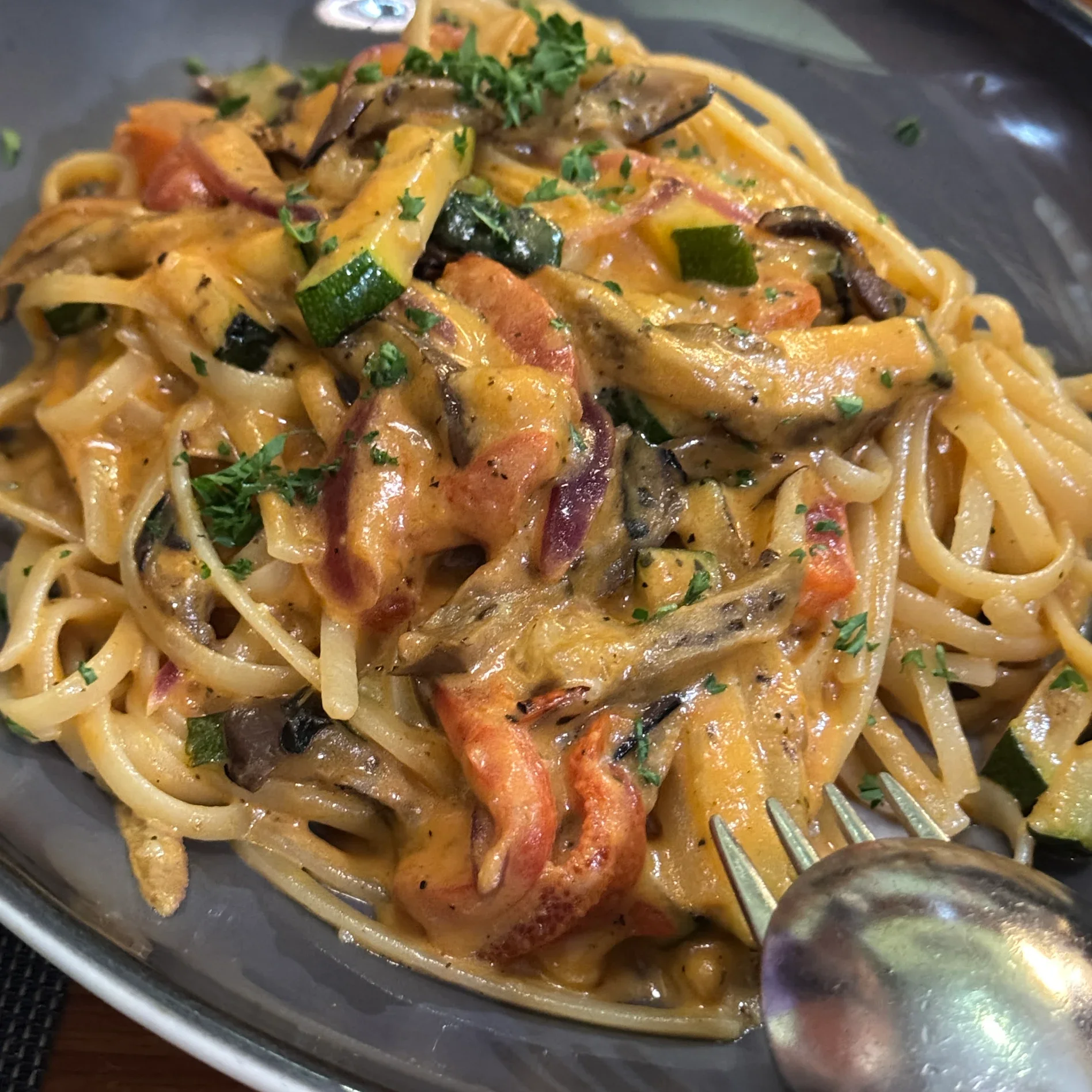
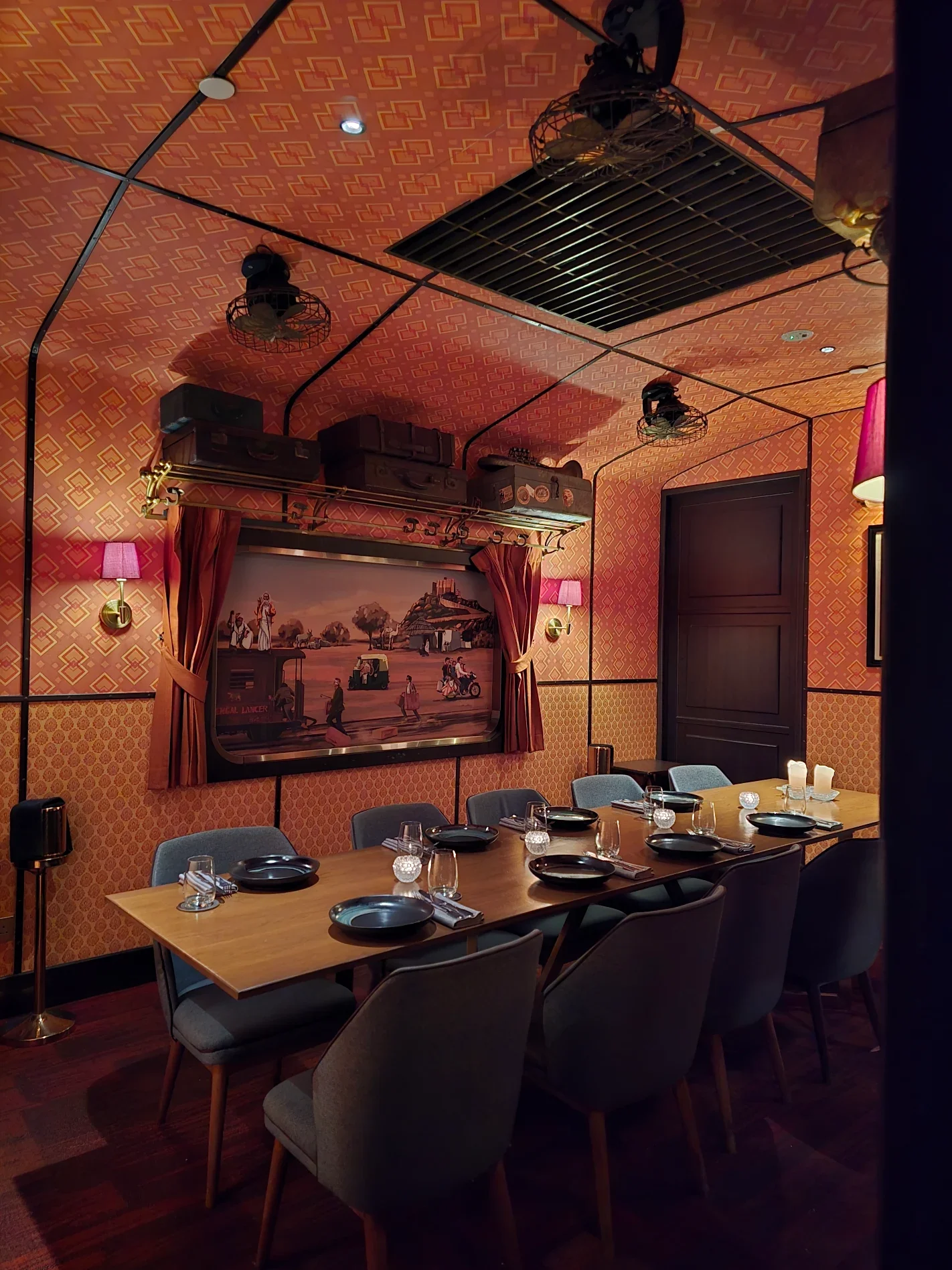
Today, Bottega di Carna describes itself as a modern Italian restaurant that takes traditional Italian cooking and pushes it in a more contemporary direction. Handmade pasta remains important. So do meat, fire and classical preparations. But the restaurant is comfortable departing from convention when there is a reason to do so.
It is a fitting kitchen for Huang.
Tradition Without Being Trapped by It
There is an easy trap when cooking the cuisine of another country.
Follow tradition too rigidly and cooking can become imitation. Ignore it entirely and the connection to the original cuisine begins to disappear.
Huang seems most interesting somewhere between those extremes.
His years in Turin gave him the technical grounding to understand where Italian dishes come from. His career in Singapore has given him permission to ask what those dishes can become somewhere else.
At Bottega di Carna, that approach now extends across pasta, seafood and meat.
The restaurant also works around a nose-to-tail philosophy, built on the premise that less celebrated cuts should not automatically become waste. Instead, good cooking should be capable of finding a use for them.
That philosophy is less about novelty than respect for ingredients.
And in some ways it echoes the lesson Huang appears to have taken from Italy years earlier: expensive or complicated ingredients are not what make a cook interesting.
What matters is what the chef can do with them.
A Singaporean Perspective on Italian Food
There is something significant about Huang becoming the first non-Italian chef to lead Grissini and later rising to Executive Chef at Mondrian Singapore Duxton.
Not because Italian food requires an Italian chef.
Quite the opposite.
Huang's career demonstrates what happens when a chef studies another culinary tradition seriously enough to understand its rules before deciding where those rules can bend.
He did not grow up in Piedmont.
He chose to go there.
He learned the food in its own environment, returned to Singapore and continued developing his cooking through a very different cultural lens.
That makes the cuisine neither completely Italian nor deliberately un-Italian.
It is simply the cooking of a chef whose career happened to connect the two places.
Why is Kenny Huang a big deal
Kenny Huang's story is quieter than that of many internationally recognised chefs.
There is no single dramatic restaurant opening or famous technique around which his career has been built.
Instead, there is progression.
A child helping in his father's restaurant.
A young chef travelling to Turin.
Two years spent learning.
A return to Southeast Asia.
The leadership of an Italian restaurant.
And eventually, responsibility for the kitchens of one of Singapore's prominent contemporary hotels.
There is something appealing about that trajectory.
Huang's cooking suggests that respecting tradition does not require being confined by it. A chef can learn another culture's food seriously, preserve what makes it recognisable, and still allow his own experiences to become part of the dish.
Perhaps that is what makes his position at Bottega di Carna particularly appropriate.
The restaurant presents Italian food with one foot in tradition and the other somewhere more contemporary.
Kenny Huang's career has followed much the same path.